
Renters in South Carolina face highest risk of eviction in the country, survey finds
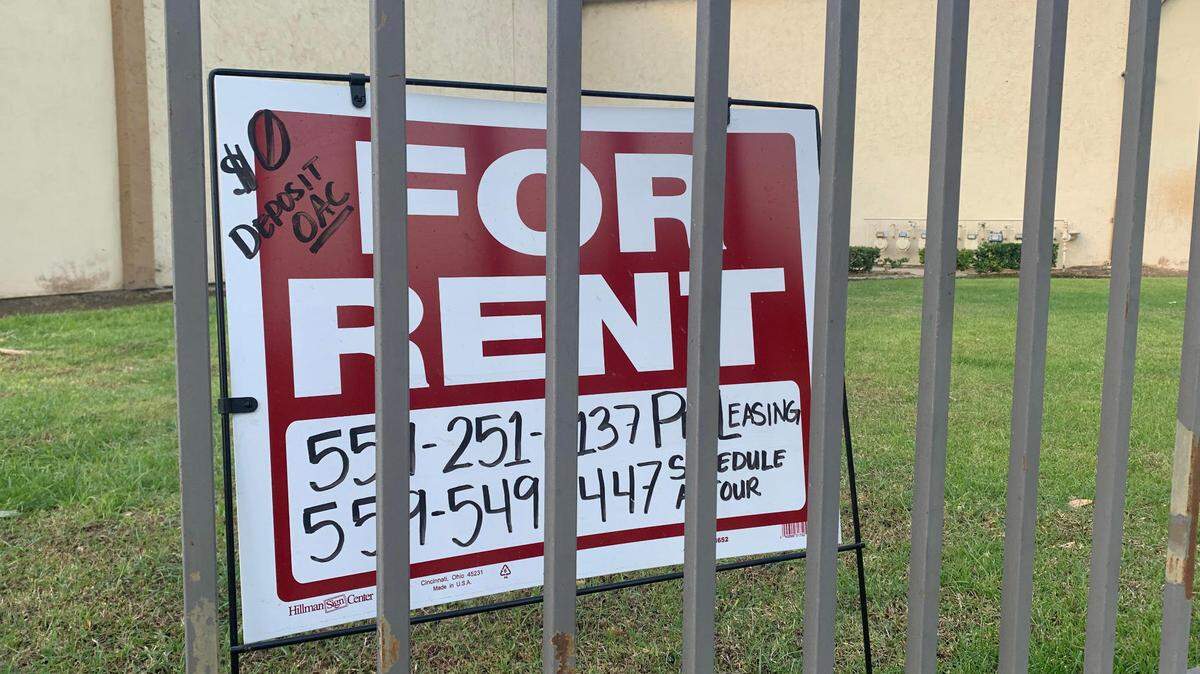
Throughout the coronavirus pandemic, experts have pleaded with the public to stay home, saying it’s the safest place to be, for everyone’s sake.
But more than 1 in 5 South Carolina renters — 21% — are at risk of being evicted, the most of any state, according to a recent study by AdvisorSmith.
The national average is significantly lower at 8.4%.
Florida and Maryland had the second- and third-most residents at risk, at about 16% and 15%, respectively.
The AdvisorSmith study used U.S. Census Bureau data from Oct. 28 through Nov. 9, regarding housing insecurity and other key factors, to calculate its findings.
In South Carolina, roughly 34% of renters were behind on payments, and of those, 62% said they expect to be evicted within the next two months, the study found.
The pandemic has financially devastated households across the U.S., and among the numerous actions taken to soften the blow is a federal moratorium on evictions, enacted by the Centers for Disease Control and Prevention.
But in January, that safety net goes away.
Plenty have been slipping through already, a joint report between The Sun News and The State found.
Since the moratorium was introduced, at least 21,192 eviction cases have been filed in South Carolina’s most populated counties, according to that investigation. Over 2,100 resulted in a writ of ejectment, which can result in tenants being evicted.
If there’s a temporary ban on evictions, how is it that some renters are being sent packing?
Part of the problem is that South Carolina hasn’t laid out clear rules for how the courts should handle evictions while the moratorium is in effect, some legal experts say.
“The CDC order left a lot of gray area and that leads to inconsistencies,” Adam Protheroe, an attorney for South Carolina Appleseed Justice Center, told The Sun News and The State. “For instance, there were some courts that were saying if the eviction was filed before the moratorium was issued then the moratorium didn’t apply. Others were less strict about when it was filed.”
Imperfect as the moratorium may be, it’s better than nothing, experts say. Some worry what will happen when it’s gone.
“When that ends, unless the federal government does something else, I have no idea what’s coming down the pipe,” Horry County Chief Magistrate Judge Christopher Arakas said.