Is SC about to see an explosion of cicadas? Here’s why you shouldn’t worry
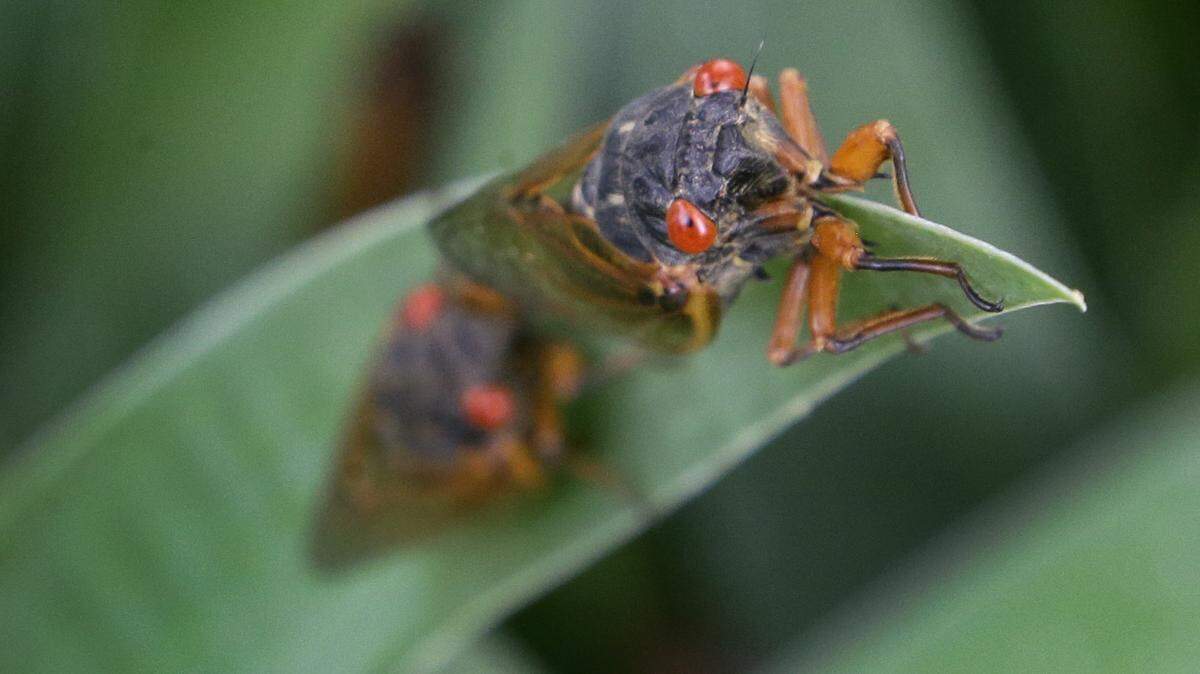
That 17-year horde of cicadas you’ve been hearing about? Yeah, don’t expect to see those guys popping out in South Carolina this year.
Oh, there will be cicadas in South Carolina. The same as every summer. Just not the much-hyped periodical cicadas that are emerging now from their 17-year underground maturation in some parts of the eastern United States.
You can thank South Carolina’s climate, said Rudy Mancke, a well-known South Carolina naturalist based at the University of South Carolina.
Periodical cicada nymphs live underground, growing and feeding mostly on tree sap for years at a time, Mancke explained. In cooler regions, it takes about 17 years before they’ve developed to the point that they emerge above ground to breed and then die. In warmer regions — including South Carolina — broods develop on a quicker 13-year cycle, Mancke said.
“If you have a warmer climate, the immature ones that are in the ground sucking sap out of tree roots have longer each year to develop, so they don’t take 17 years,” Mancke said.
So while folks in parts of Maryland, Illinois, Ohio, Pennsylvania and a few other areas have begun seeing surfaces covered in billions of the orange-eyed insects from Brood X, singing their constant, screeching chorus of mating sounds, South Carolina will see and hear nothing out of the ordinary, Mancke said.
Three years from now, that won’t be the case. South Carolina’s periodical cicadas — the same species that’s emerging in cooler places right now — are set to emerge in 2024 after 13 years underground.
Parts of the Upstate, around Greenville, Pickens, Anderson and nearby areas, can expect to see the big 2024 emergence of Brood XIX, Mancke said.
Mancke remembers their last emergence.
“The males are screaming their heads off,” he said. “This was just all day, and it drives people a little weird. That’s why, I think, people remember these major brood emergences.”
The U.S. Department of Agriculture Forest Service has a handy online map showing the locations of active broods of periodical cicadas across the country and when they are expected to emerge.
This story was originally published May 21, 2021 at 1:29 PM.