South Carolina got $271M to help renters in crisis. It still didn’t stop evictions
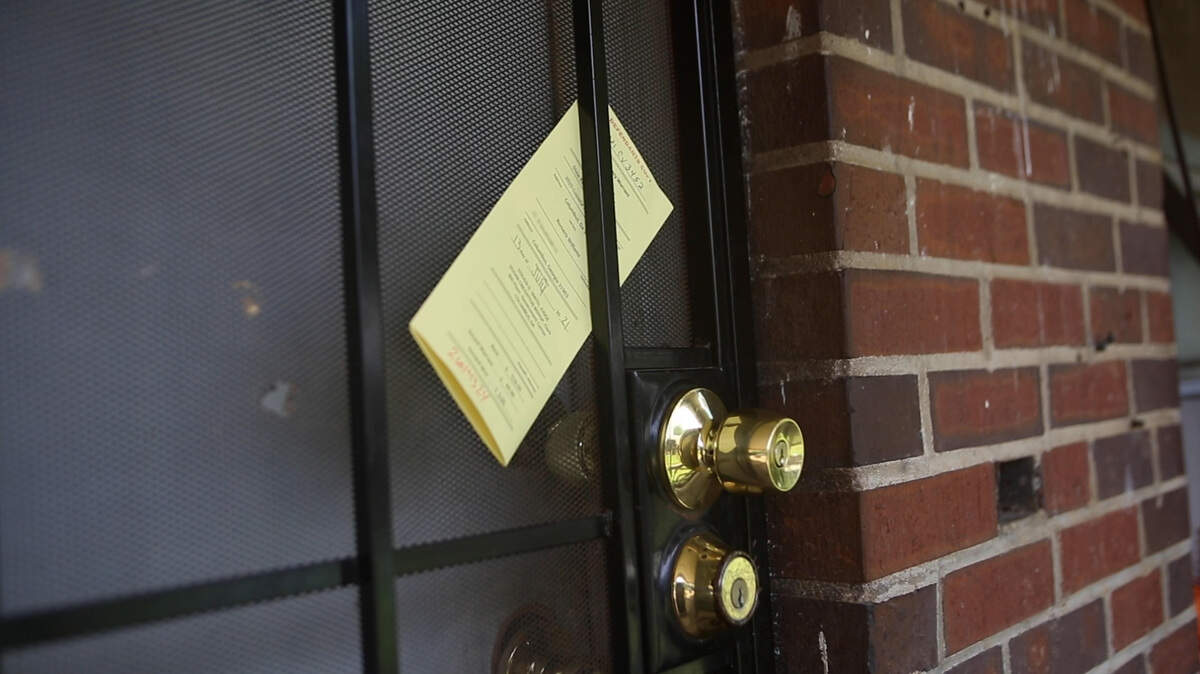
A multi-million dollar rent assistance program aimed at keeping South Carolinians housed during the pandemic failed to prevent widespread evictions because of flaws in the program’s rollout.
In April, SC Housing received more than $271 million in federal funds to help residents across 42 counties pay off back rent and other housing related expenses through its SC Stay Plus program. Seven of the largest counties, including Richland and Charleston, were excluded because they received funding to run their own programs.
As of Dec. 29, $65.3 million (about a quarter of the money) had been distributed to nearly 13,000 households, according to Chris Winston, spokesperson for SC Housing. Meanwhile, both Richland and Charleston counties have spent nearly all their funds and have stopped accepting new applications.
Advocates say long wait times, stringent documentation requirements, poor communication with landlords and weak protections for renters have made it difficult for tenants to get help through SC Stay Plus before they are evicted. In some cases, even those who get assistance are still being evicted.
Problems getting the money out were further exacerbated by a four-month delay in the time it took the state legislature to authorize the program.
“We know the need was out there and the need was not met,’‘ said Sue Berkowitz, director of the SC Appleseed Legal Justice Center, a nonprofit that advocates for low income South Carolinians. Her organization regularly receives calls from tenants who have spent months waiting to get approved for SC Stay Plus, although Berkowitz could not provide a specific number.
Roadblocks for Renters
Berkowitz said when the program first launched, tenants struggled to provide the long list of required documents SC Housing asked for. When people tried to contact the agency to ask how to apply or to check their application status, “they weren’t hearing back,” she said. “It’s like they were caught in a black hole.”
Winston said SC Housing has taken several steps to make the program more efficient, including relaxing documentation requirements and following up with tenants who have incomplete applications. Other measures include:
Allowing direct payment to tenants when landlords are uncooperative.
Providing additional in-person application support.
Increasing the number of staffers and extending the hours of the program call center.
But even with those improvements, some people still are not getting the help they need before it’s too late. Though it’s unclear how many have been impacted, Berkowitz said she has heard of several tenants who applied for the program and still lost their housing.
Bad Timing
Lexington County residents Harold and Felicia Glover lost their primary source of income early in the pandemic after Felicia was laid off. Her husband, Harold, has chronic kidney problems that prevent him from working. They also make him immunocompromised.
The two decided Harold’s health was more important than a paycheck, and so Felicia held off on looking for work straight away
When they heard they’d been accepted into SC Stay Plus toward the end of August 2021, they felt their prayers had been answered.
They had received an eviction notice in September 2020 but were able to stay in their mobile home thanks to a federal order that paused evictions. Still, with each passing month, their debt grew. The Glovers received some help through a different rent assistance program, but they were counting on the money from SC Stay Plus to help them pay off four remaining months of back rent.
On Aug. 26, their luck took a turn for the worse when the U.S. Supreme Court overturned the federal eviction moratorium. Just days later, the Lexington County Sheriff’s Department showed up at their door and told them they had 24 hours to move.
Clifton Rogers, the Glovers’ property manager, said he received the money from SC Stay Plus shortly after the couple moved. The official letter of approval came several days after the money.
Harold said he told his property manager he had been approved for rent assistance before the eviction moratorium was overturned. But Rogers said he did not hear anything from the Glovers or from SC Housing until after the couple moved.
“If we had known, we would’ve stepped back from the eviction,” he said.
Frustrations for Landlords
According to Winston, SC Housing’s policy is to contact both the landlord and the tenant about their application status three times while the application is pending and then automatically notify both parties once the application is approved.
But Rogers, who has had multiple tenants apply for SC Stay Plus, said that hasn’t been his experience with the program.
In some cases, “Once the application gets filed months go by and you never hear from them.” In others, he said, the agency repeatedly asks him to provide documents he has already sent in.
Rogers said at times SC Housing has had trouble keeping track of its own finances. For instance, he said he had to notify the agency after they sent him more money than he was owed for the Glovers.
Winston said SC Housing could not comment on individual cases for privacy reasons but that if “the landlord is not entitled to the full funds made available, SC Housing requires repayment of unused funds.”
Though Rogers was able to keep the four months of back rent he was owed, in the end the Glovers were left without a place to live.
Looking for Solutions
“This program was designed as an emergency response to help keep people in their homes and in this case that didn’t happen,” said Sarah Gallagher from the National Low Income Housing Coalition
Aside from maintaining good communications with landlords, Gallagher said there are other tools South Carolina could use to prevent another situation like the Glovers’.
Rent assistance programs in some states and localities — like Mississippi and the District of Columbia — include rules that prevent landlords or courts from moving forward with evictions while a tenant’s application is being processed. Several state legislatures — including those in Oregon and Massachusetts — passed additional protections for tenants who apply for rent assistance. Other states, like New York and California, temporarily paused all evictions for non-payment of rent.
When asked why SC Housing had not implemented similar measures, Winston said the agency does not have authority over the magistrate courts that handle eviction cases.
Even though South Carolina was one of the last states to authorize its rent assistance program — taking an additional four months after Congress allocated the money in December 2020 — the state legislature added no additional protections or stipulations beyond what was in the U.S. Treasury’s guidelines.
Gaps in South Carolina’s program ultimately landed the Glovers in a motel for four months before a nonprofit housing agency helped them find a new place. They had to reapply for assistance, and even though they were again accepted into the program, Harold said the whole situation should have been handled differently.
“We were left out on our own,” he said. “We’re still out on our own.”
This story was originally published January 4, 2022 at 9:57 AM.