Are any of your trees dying right now? SC horticulture experts have possible answers why
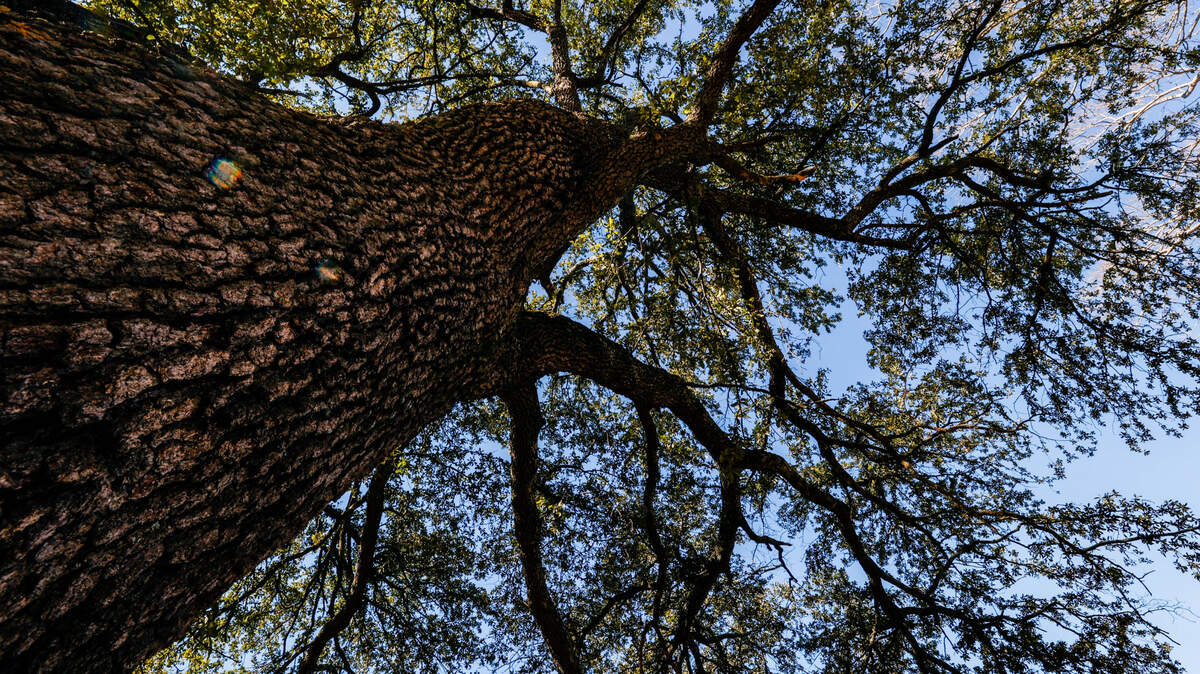
South Carolina will soon see many of its trees shift to leaves of golden yellow, red and orange.
But for some trees, this could be their last fall.
The period between the end of summer and early fall is the time when the state sees an uptick in tree deaths, according to the Clemson Cooperative Extension. Shedding bark, dropping an excessive amount of sticks, unsightly fungus or insufficient leaves are some of the signs that a tree might be dying.
But why could this be happening? It can be hard to accept, given that trees usually have such longer lifespans than people. However, there could be one or more reasons why you have a dying tree this time of year, Clemson Extension horticulture experts say.
Drought or heat
In late summer, drought or heat are the most likely problems. Most of South Carolina has avoided drought conditions this summer, according to the U.S. Drought Monitor. Extremely hot temperatures are another matter.
If trees are under stress from drought or heat, this reduces their defense mechanism in resisting insect damage or disease-causing organisms. Since most trees are so large, it might take several years for the tree to die from insect, disease or drought injury, extension agents say.
Construction
Remember to protect the root systems and trunks of trees when any grading or clearing is done. Never let machinery get too close to a tree, as its roots extend two to three times the width of its canopy.
If a tree’s roots are cut, it could take two to five years for the tree to die. Horticulture agents recommend using silt fencing or another type of protection around desirable trees to protect them during the clearing process.
Also, never park vehicles under trees, since this will compact the soil and damage the root system.
Planting and mulching
Improper planting and mulching can also lead to tree decline and death, agents say. For more information on caring for your trees, Clemson Extension recommends these sources: HGIC 1001, Planting Trees Correctly; HGIC 1604, Mulch; HGIC 1037, Tree Maintenance; HGIC 1002, Protecting Trees During Construction; and the South Carolina Forestry Commission: Forest Health Manual.
If you suspect your tree’s health is waning, contact a local ISA certified arborist.