
SC homeowners, keep your fall leaves for fireflies and other uses. Here’s what Clemson suggests
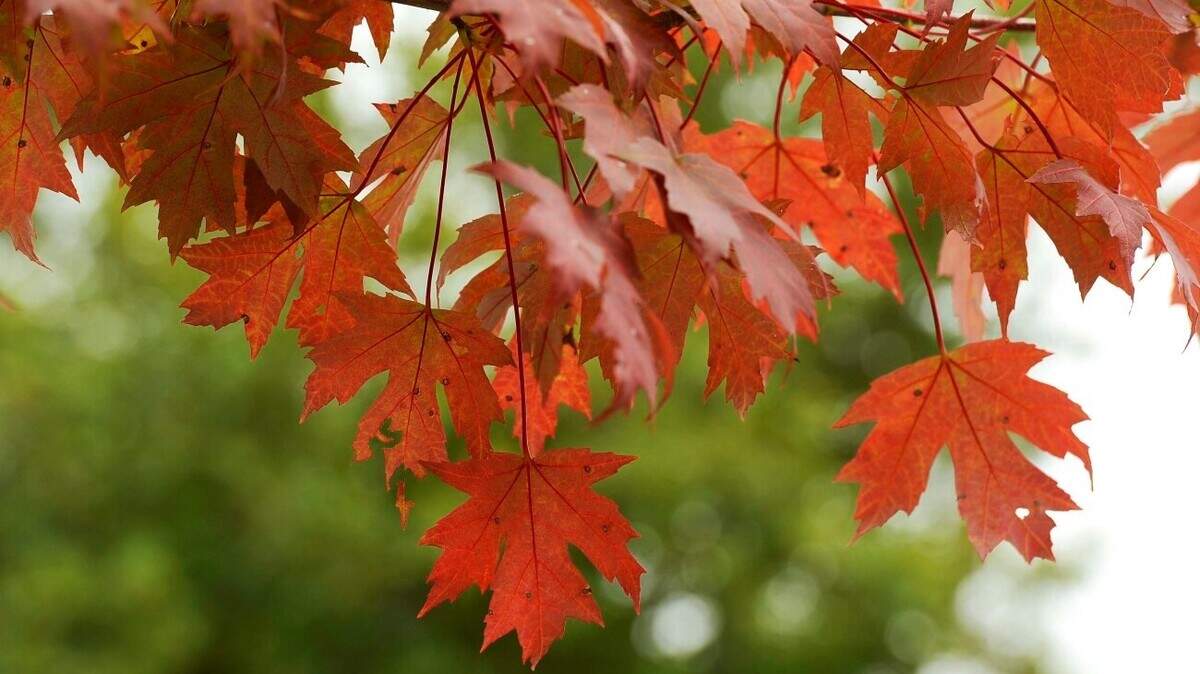
So you look out your window and all you can see is work. Fallen leaves cover the grass you’ve been tending through the hot summer days. Time for the rake or the leaf blower and all those plastic bags waiting at the curb for pickup.
LayLa Burgess, a horticulture extension agent with Clemson University, has another idea.
Leave them.
Use them in your garden or flower beds. Or chicken coops.
“Nothing announces the arrival of autumn like leaves raining down from trees to scatter across the landscape,” Burgess said on Clemson’s Home and Garden Information Center website. “This serves as a reminder that fallen leaves are a free, valuable, and often underused natural resource.”
She said leaves can be used as compost or leaf mold, for weed suppression, wildlife habitat and winter cover and for playgrounds.
Here’s something that might keep you (and your kids) busy for a while. Use beautiful fall leaves of red, orange, gold and purple to make art.
“Using leaves in gardens and landscapes can improve storm water management and reduce flooding caused by clogged residential street drains,” she said.
Here are some of her other suggestions: insulation for bulbs in a flower bed, in newly potted plants, to start a worm composting bin, to stuff a scarecrow, as a donation to a community garden for reuse, as a garden blanket on fallow land or during crop rotation.
And then there’s lasagna gardening. If you haven’t heard of it, it’s like the pasta dish it’s named for and results in soil (no trip to Home Depot).
You make three layers: twigs, branches, and other woody materials as a base that allows air to circulate, aiding decomposition. Then 2 to 6 inches of dry leaves, hay, wood chips, sawdust, shredded newspaper, or cardboard. Read that as food for earthworms, which are essential to getting this stuff to decompose. The third layer is 1 to 2 inches of food scraps (leave out the meat, dairy, fats, or bones), grass clippings, manure, coffee grounds, or plant cuttings.
In four to five months you’ve made soil. and gotten rid of those leaves that are covering your lawn.
You can also chop up leaves with a mulch mower and just leave them as nutrients for your turf.
And here’s one more thing to think about. Fireflies.
When you bag up leaves you’ve probably bagged up all the juvenile fireflies from your yard.
Fireflies — or lightning bugs as we say in the South — are beetles that live 95% of their lives as larva in leaf litter, under rotting logs, and in moist areas where they can thrive.
“The larvae are eating machines, devouring many soft-bodied insects, typically the gardener’s foes: slugs and snails,” said Sue Watts, who is with the South Carolina Botanical Gardens.
She said rake the leaves into areas of your yard where people can’t see them and let fireflies go about their work. You’ll be happy next summer when your yard lights up like Christmas.