
Future of historic SC race track uncertain as NASCAR racing season looms
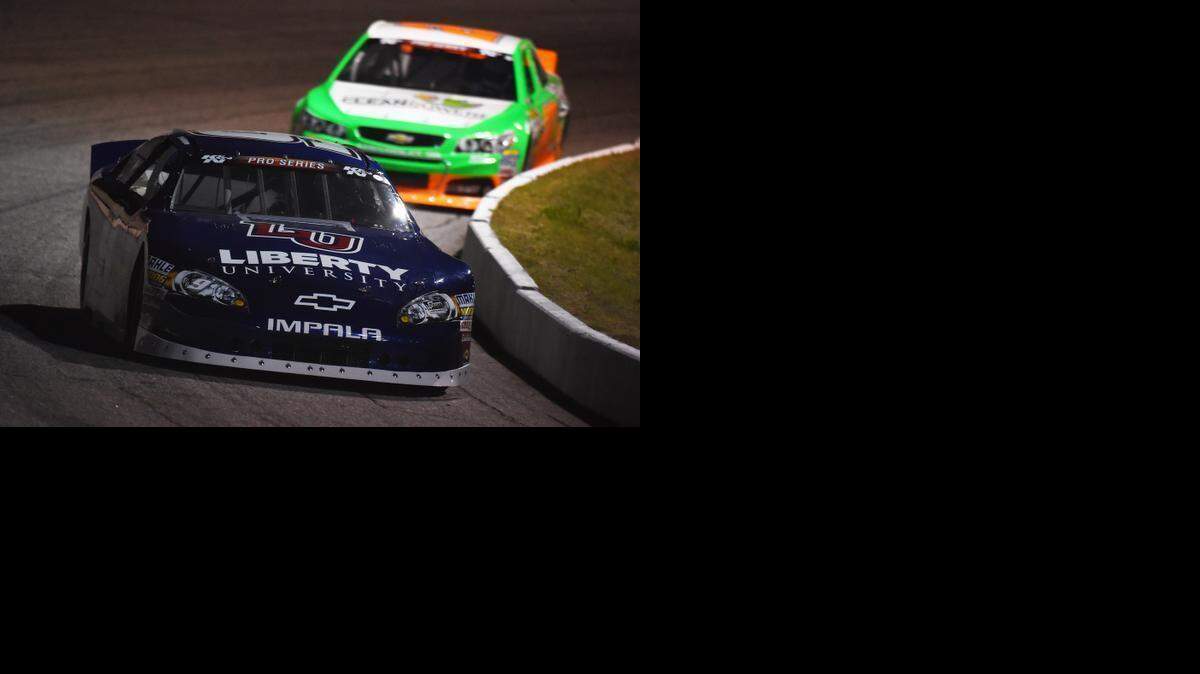
A historic racetrack in South Carolina’s Upstate may have run its last lap.
Greenville-Pickens Speedway in Easley has been the subject of much chatter in recent weeks both on social media and in private conversations within the racing community.
Some say with certainty it’s been sold — even saying mall developer Simon Properties has bought it. Others say that they heard directly from the owner, Greenville car dealer Kevin Whitaker, that it’s not been sold and he, in fact, is looking for someone to sign a three-year contract to run it.
The only thing known for sure publicly is that no events are listed on the track’s website for the upcoming season that starts in March.
The track’s phone number is answered by a recording of the hours for the Upstate Holiday Light Show, a drive-through event on the grounds of the Upper State Fair adjacent to the track. It ended Dec. 31.
Whitaker and spokesmen for NASCAR and Simon did not return messages. The former owner, Gary Blackwell, declined to comment, saying he understood a statement would come on Dec. 22. It did not.
All this leaves generations of drivers and their fans stewing, some lamenting what they consider the track’s downfall, others reminiscing about the drivers who went on to become NASCAR legends and still others saying wistfully the old raceway has a lot of life left in it with the right management.
A long history
The Greenville Pickens Speedway opened in 1940 as a half-mile-long dirt track. It closed the next year during World War II and reopened in 1946, Independence Day, offering fans two horse races and a car race promoted by Bill France Sr., known as Big Bill, who two years later founded NASCAR.
The Blackwell family bought the track in 1955, the same year NASCAR began sanctioning races there. The track hosted various Winston Cup races through the years. Richard Petty, Junior Johnson and David Pearson raced there and won.
In 1958, track management began painting names of winners on the wall, where they remain today.
The Grand National Series, the major event of NASCAR, staged races as well. The track was paved in 1970.
In June 2003, the Blackwells sold the speedway and adjacent 150 acres to Whitaker. He has long been associated with the track as a sponsor.
He told Spartanburg Herald-Journal at the time that he bought it because, “I don’t want the track to go away.”
The track today
Whitaker leased the track to promoters, and drivers and fans say, it is not the same venue it was when thousands of fans packed the stands — variously called 22,000 to 35,000 seats — and wolfed down the concession specialty, fried bologna sandwiches on hamburger buns. (Cheese can be added as well as the condiment of choice mustard.)
A British racing writer Matt Robinson of carthrottle.com called it “slightly tired but utterly charming” when he visited in 2018.
Others have been much harsher, saying, as April Reeves did on the Greenville Pickens Speedway fan page on Facebook the fix-it list is long: better driver pay, team incentives, driver team events, Pit crew races, fan days and better marketing. Derbys, car shows, pre- and post-race events would be welcomed additions.
“Find someone with a true passion for that track and not just the money and it will fall into place,” she said.
COVID did not help when the track was closed for half a season. Last year, the concession stand did not open.
Tasha Porter Kummer, the first woman to win a Late Model race — the prime event — at Greenville Pickens, said in an interview she doesn’t think it would cost all that much money to renovate the track — paint, rewiring, new lights.
Her family has been associated with the speedway for 40 years. Her brother races, along with other family members. She calls it a track like no other. It’s flat, for one thing, which she thinks is harder and more interesting to drive, requiring certain technology.
She’s invested in saving it. She has reached out to people who might be interested in leasing it; pushed business people to consider leasing before thinking of buying. Give it time to be restored to its former glory.
Lots of interest, but no one has signed.
Kummer says the Upstate and racing would lose a piece of what makes the area and the sport special if races did not come back. It is the second oldest short track in the country and the place where the first race was aired on national TV, start to finish. It was broadcast in 1971 on ABC’s Wide World of Sports with Jim McKay doing lap by lap coverage.
She also has a personal reason for wanting it not to end. Last year, she totaled her car in one of the last races of the season and was hospitalized for four days. Recovered, she bought a 2023 Hedgecock, her first brand new race car, and readied for this season.
“I don’t want leaving that track for the last time to be in an ambulance,” she said.