SC has its best shot to see one of the oldest known meteor showers this weekend. What to know
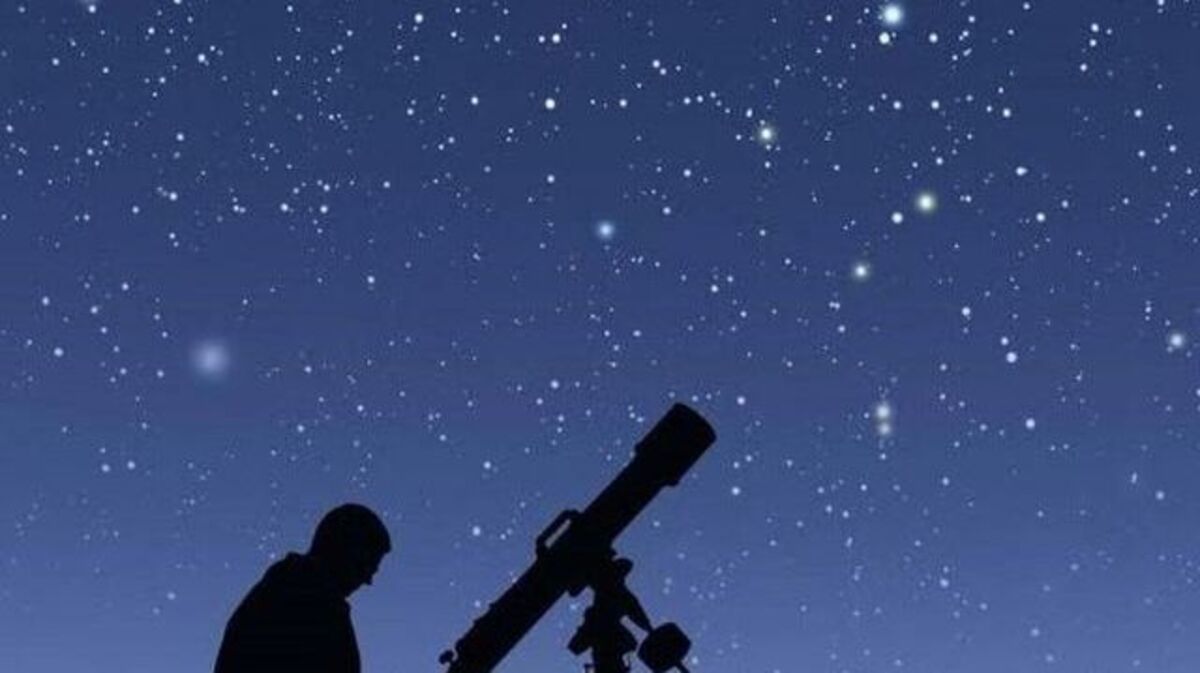
A free light show will streak brightest across South Carolina skies on Saturday.
Every year, the Lyrids meteor shower sparks across the Northern Hemisphere in late April.
South Carolinians will have had the chance to see some of these meteors since April 16. However, the peak chance to see the meteor shower will be on April 22, according to space.com.
The Lyrids is one of the oldest known meteor showers, having been observed for 2,700 years, NASA states.
“The Lyrids are known for their fast and bright meteors,” NASA states. “Though not as fast or as plentiful as the famous Perseids in August, Lyrids can surprise watchers with as many as 100 meteors seen per hour.”
However, typically, viewers will see 10 to 15 meteors per hour, according to earthsky.org.
When to watch
The Lyrids are best viewed during the dark hours after moonset and before dawn. This year, the moon will only be 9% full during the Lyrids’ peak, setting early in the night sky, meaning fairly dark skies that will give viewers a better chance at seeing the meteors, Farmer’s Almanac states.
How to watch
To have the best chance and seeing some meteors, find an area away from city lights or street lights. Lie flat on your back with your feet facing east. Look up and take in as much of the sky as possible. Your eyes will adapt after about 30 minutes in the dark, allowing you to see the meteors.
Where do meteors come from?
Meteors come from leftover comet particles and bits from broken asteroids. A meteor shower occurs when the Earth crosses the path of a comet and collides with those particles, which burn up in the atmosphere.
The Lyrids meteors come from Thatcher, a long-period comet that was discovered in 1861 by astronomer A.E. Thatcher, according to space.com.
This story was originally published April 7, 2023 at 8:00 AM.