
19 tips to try and mistakes to avoid for the best SC gardens this summer, Clemson Extension says
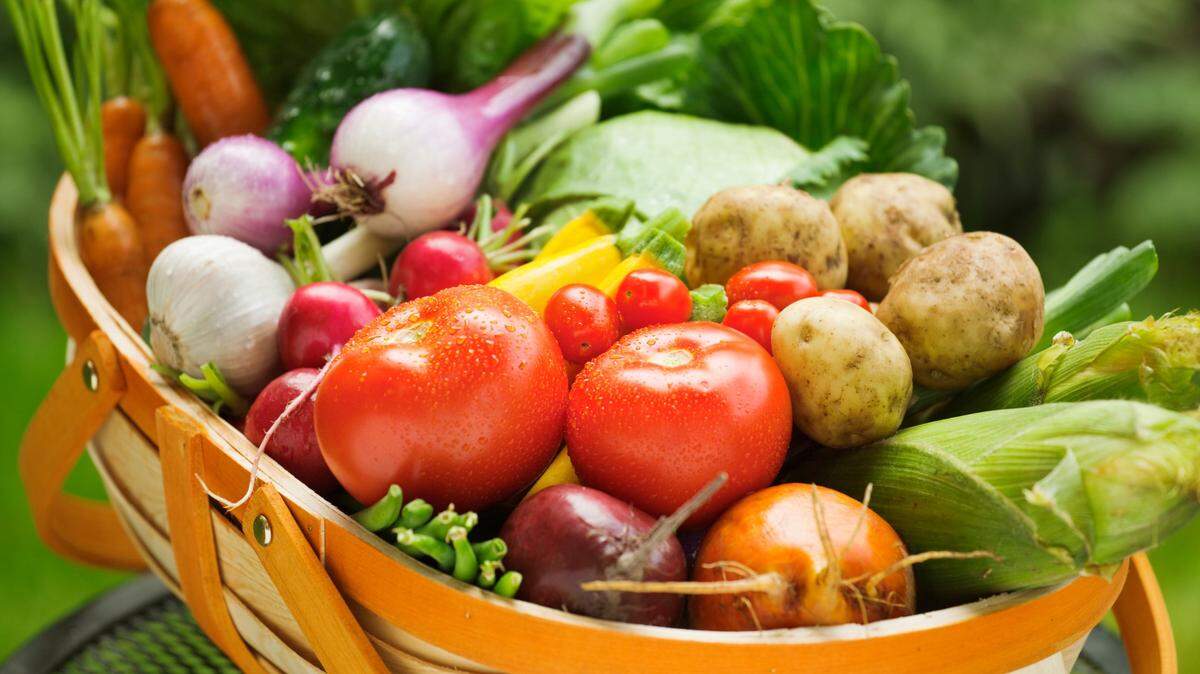
Jackie Jordan, master gardener coordinator for Clemson’s Cooperative Extension service in three Midlands counties, was asked by The State for top concerns home gardeners face and common mistakes they make.
She offered 19. And then added, “Asking Facebook or Google for answers when the Extension Service is a free resource that provides research-based information,” is a common mistake.
Doctors probably say the same thing.
With Memorial Day’s traditional start to planting coming up, here are Jordan’s suggestions:
Water is key. Most vegetables need an inch of water a week, some like yellow squash 1.5 inches. Water before sunrise so all the water is available to the plant. “Most people do not water enough,” she said.
Shallow watering is not as beneficial as deep watering twice a week. The roots grow deeper searching for water.
Water at the base of the plant, not the leaves. Think leaf spot diseases if you get the leaves wet. Here’s some information you may not realize — the plant takes in water through the roots and out through the leaves. “Sometimes in the late afternoon when humidity is high, plants will look like they are wilting but it is only because high humidity has stopped the plant from transpiring temporarily,” she said. Plants perk up in the evening, especially tomatoes.
Mulch! Reduce weeds, cools soil, retain moisture, prevent disease. “Inconsistent soil moisture leads to problems like blossom end rot and cracked tomatoes,” she said.
Fertilize. Some need it, some don’t. Beans, no. Tomatoes, yes! Get the HGIC fact sheets for schedules of when to fertilize specific plants.
Add flowers. Zinnias, cosmos and sweet alyssum attract pollinators and other beneficial insects that eat the bad guys. “Most insects are beneficial or benign,” she said. “Gardeners should learn to identify the various life stages of beneficial insects like ladybird beetles.”
Healthy soil. Compost every season. “Most gardeners don’t pay enough attention to their soil,” she said.
Rotate crops. “Keep a record of where you plant your vegetables. It is important to rotate your crops because it will help to limit disease and insect problems from developing,” she said.
Plant at the right time. There’s a fact sheet on that, too.
Spend time in your garden, “The best thing you can put on your plants is your shadow. It will help you to be proactive in dealing with insect and disease problems. Also, you will notice when crops are ready to harvest. Harvesting regularly will ensure that crops keep producing throughout the season,” she said
Common mistakes
- Planting too close together. Plants need airflow.
- Not enough sunlight. “Tomatoes need a minimum of eight hours of sunlight, and they perform better with 10,” she said.
- Not soil testing. Tells you what you have as well as what you need. Plants need 17 nutrients, all working together to grow the best vegetables.
- Planting too early or in the wrong season is a recipe for disaster. Remember — to every time there is a season.
Once you’ve planted, here’s what to look out for:
- Spots on leaves could mean fungal and bacterial disease. Guess what to do. Send a photo to Clemson Extension Home and Garden Information Center. They’ll tell you what it is and how to fix it.
- Viruses can equal destruction. Piercing sucking insects spread them. Look for them on the underside of leaves.“They usually cause little pinpoint spots of pale green to white on the leaves,” Jordan said. Get the Clemson HGIC fact sheets.
- Then there’s root knot nematodes, which are problematic, Jordan said. As you can tell from the name, they attack roots especially in sandier soils, impeding growth.
- Look for them when you pull up the plant. The roots will be knotted and swollen.
- Pull out those weeds. They suck water and nutrients away from plants and harbor pests and viruses.