These 11 SC counties are the most at risk of wildfires, FEMA data shows. Here’s how bad
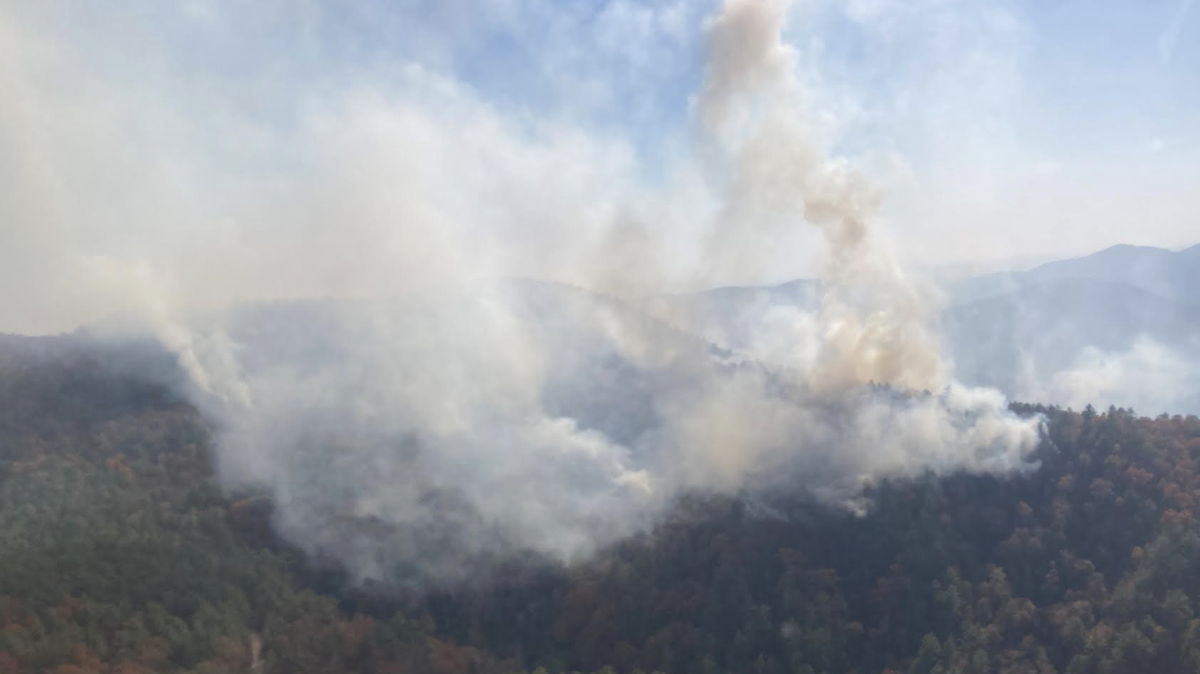
As a more rural state covered in miles and miles of forests, South Carolina is no stranger to wildfires.
The state’s wildfire season occurs usually during late winter and early spring, due to the high concentration of dry, dead vegetation, according to the South Carolina Emergency Management Division. However, forest fires can happen at any time.
There have already been 270 reported wildfires that engulfed 1,572 acres in South Carolina so far this year, South Carolina Forestry Commission data shows. As of Saturday, there was one contained wildfire encompassing 111 acres in Horry County. There were approximately 1,100 total wildfires in the state last year.
But while South Carolina has its fair share of wildfires, some places are more at risk than others.
The Federal Emergency Management Agency has created a map, using its data and risk assessments, that shows the counties across the U.S. currently considered the most and the least at risk of potential wildfires. FEMA rates wildfire risk from very low to relatively low, relatively moderate, relatively high and very high.
Below are the South Carolina counties at greatest risk of wildfires annually, as well as the expected potential annual loss from fire damage, according to FEMA. All counties not listed were rated at the lowest level of very low risk.
SC counties most at risk for wildfires
Horry
- Risk Index: Relatively moderate
- Expected annual loss from wildfire: $2.5 million
- Frequency: 0.077% chance per year
- Historic loss ratio: Very low
Georgetown
- Risk Index: Relatively moderate
- Expected annual loss from wildfire: $2.7 million
- Frequency: 0.208% chance per year
- Historic loss ratio: Relatively low
Berkeley
- Risk Index: Relatively moderate
- Expected annual loss from wildfire: $1.8 million
- Frequency: 0.117% chance per year
- Historic loss ratio: Very low
Charleston
- Risk Index: Relatively moderate
- Expected annual loss from wildfire: $3.6 million
- Frequency: 0.093% chance per year
- Historic loss ratio: Relatively low
Beaufort
- Risk Index: Relatively moderate
- Expected annual loss from wildfire: $1.6 million
- Frequency: 0.040% chance per year
- Historic loss ratio: Relatively low
Florence
- Risk Index: Relatively low
- Expected annual loss from wildfire: $245,000
- Frequency: 0.053% chance per year
- Historic loss ratio: Very low
Williamsburg
- Risk Index: Relatively low
- Expected annual loss from wildfire: $474,000
- Frequency: 0.123% chance per year
- Historic loss ratio: Relatively low
Orangeburg
- Risk Index: Relatively low
- Expected annual loss from wildfire: $128,000
- Frequency: 0.029% chance per year
- Historic loss ratio: Relatively low
Dorchester
- Risk Index: Relatively low
- Expected annual loss from wildfire: $371,000
- Frequency: 0.056%
- Historic loss ratio: Very low
Colleton
- Risk Index: Relatively low
- Expected annual loss from wildfire: $173,000
- Frequency: 0.043% chance per year
- Historic loss ratio: Relatively low
Jasper
- Risk Index: Relatively low
- Expected annual loss from wildfire: $201,000
- Frequency: 0.064% chance per year
- Historic loss ratio: Very low
What to do in a wildfire
If you find yourself in the middle of a South Carolina wildfire, here are safety recommendations from the SCEMD.
In a vehicle
Only to be done in case of extreme emergency, but you can survive a wildfire if you stay in your can as opposed to trying to outrun the fire on foot. Make sure to roll up the windows and air vents, drive slowly with headlights. Do not drive through heavy smoke. If you have to stop, park away from the heaviest trees and brush, turn the headlights on and the ignition off.
Trapped at home
If you are trapped at home by a wildfire, stay inside and away from outside walls. Close the doors, but leave them unlocked. Keep your family together.
If caught in the open
The best temporary shelter is in a sparse fuel area. On a steep mountainside, the back side is safer. If hiking in the back country, seek a depression with sparse fuel. Clear fuel away from the area while the fire is approaching and then lie face down and cover yourself.