Stay safe in your SC backyard from venomous copperheads this summer with these expert tips
Summer weather is here and copperheads are out in force in South Carolina.
The most common venomous snake in the state, the copperhead, while it prefers to avoid human contact, can often be found in yards and gardens, which can cause problems for homeowners. However, there are steps you can take to keep the scaly creatures out of your yard and away from your home.
How to identify a copperhead
While keeping copperheads away is the goal, should one happen to slither into your yard, it’s important to know what you’re dealing with before you, your pet or your child have an unfortunate encounter.
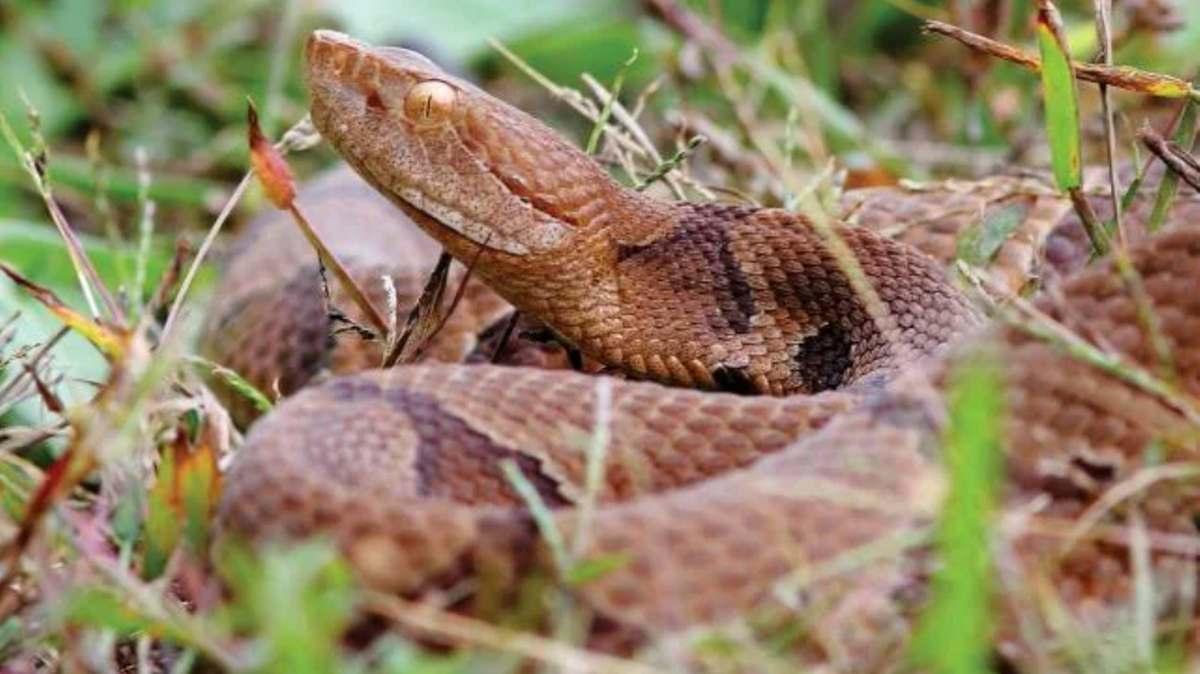
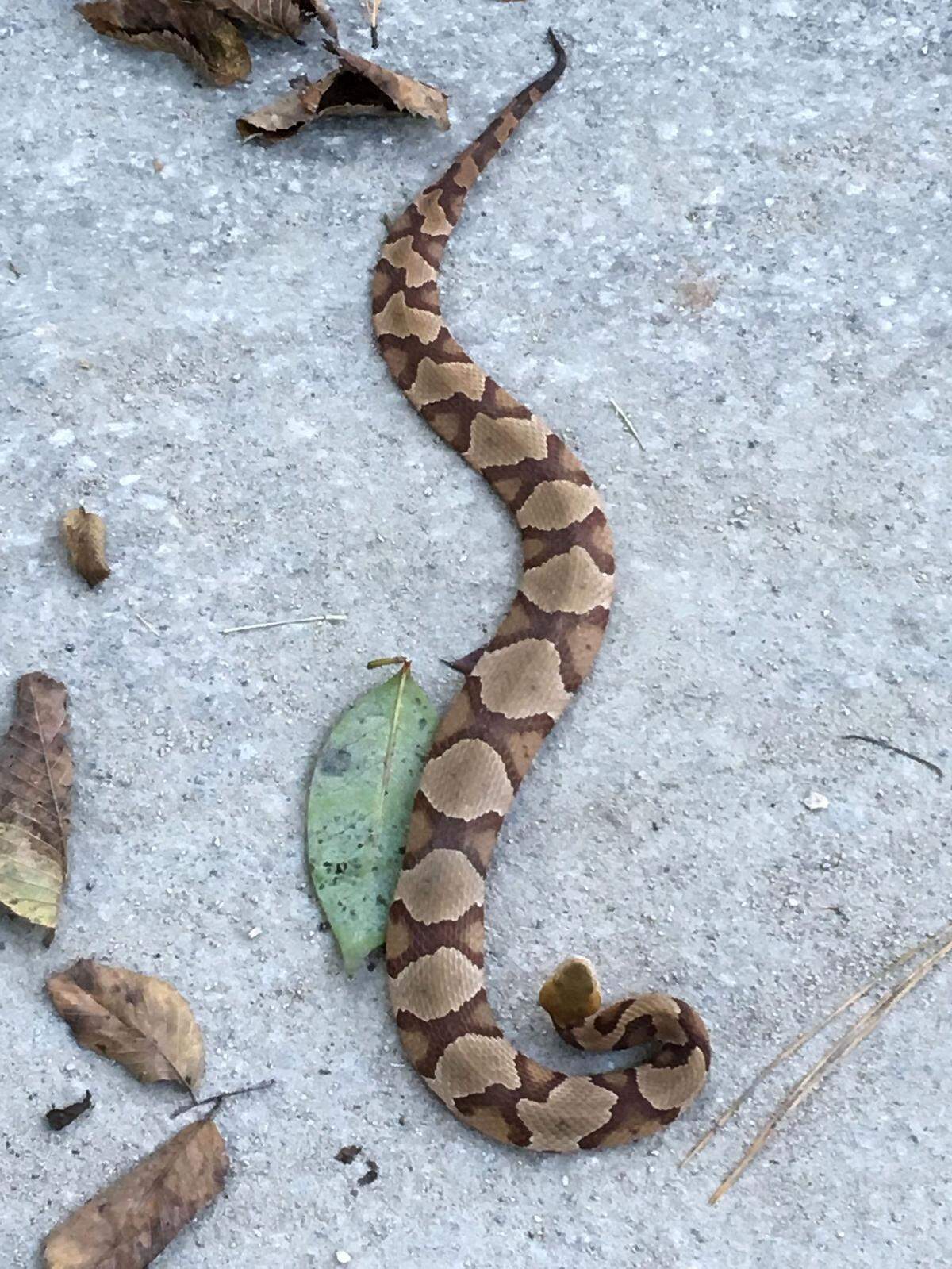
The copperhead gets its name from the coppery-tan color on its head and on parts of its body, Clemson Cooperative Extension states. Copperheads have triangular-shaped heads, similar to an arrowhead and can grow up to 4 feet long.
Copperheads also feature an hourglass-shaped pattern on their bodies — from the head down to the tail. When curled up, this camouflage can make them look like a pile of leaves. And like most other venomous snakes in South Carolina, copperheads have yellow eyes with black vertical and elliptical pupils.
Remove copperhead habitat
Copperheads prefer to hide in dense vegetation, leaf piles and other cluttered areas. Clearing out these hiding spots from your yard can help reduce the chances of copperheads taking up residence in your yard, according to Forest Wildlife. Also, keeping your yard’s grass and bushes regularly trimmed will make the area less appealing to copperheads by reducing the amount of cover they can use.
Seal off yard entry points
Snakes can enter your yard through small openings, like holes in your fence or gaps under your doors. Seal off any potential entry points to keep copperheads out of your yard.
Use snake repellents
There are various types of snake repellents available for sale. Some of these products emit a scent that snakes find unpleasant, while others use vibrations or sounds to scare them away.
Homeowners can also use vinegar and ammonia as a homemade repellent. However, you should not combine the two. Instead, pick one and spray it around areas of your yard or house, Forest Wildlife states.
And according to Home & Gardens, you can deter snakes with certain snake repellent plants, including marigolds, allium, lemongrass, mother-in-law’s tongue, garlic, wormwood, basil and yellow alder.
Use physical barriers
Installing physical barriers such as snake-proof fencing can help keep copperheads out of your yard. This type of fencing is specially designed to prevent snakes from entering a property.
Be mindful of copperhead food sources
Copperheads enjoy munching on rodents, frogs, lizards and insects, the S.C. Department of Natural Resources states. Take steps to reduce these food sources in your yard.