
250-year mystery unraveled: SC museum owns piano believed to be the first made in America
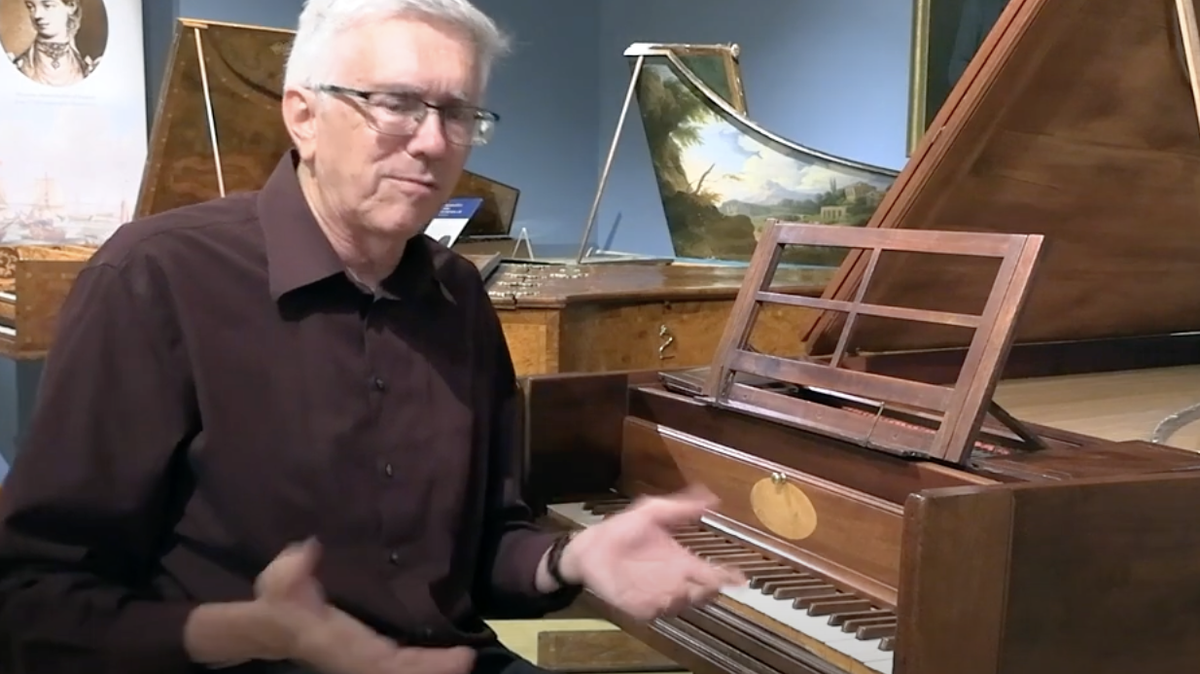
A piano considered to be the first made in America almost 250 years ago traveled a circuitous route to end up at the Sigal Music Museum in Greenville.
Curator Tom Strange considers it an extraordinary find.
The builder, John Berent, was originally Dutch or Saxony, but studied piano building in London and then Portugal before moving to what is now America in 1770. He introduced his first piano in 1775, crafted of Southern Yellow Pine and Tulip Poplar with a mahogany case.
He called it Piano Forte.
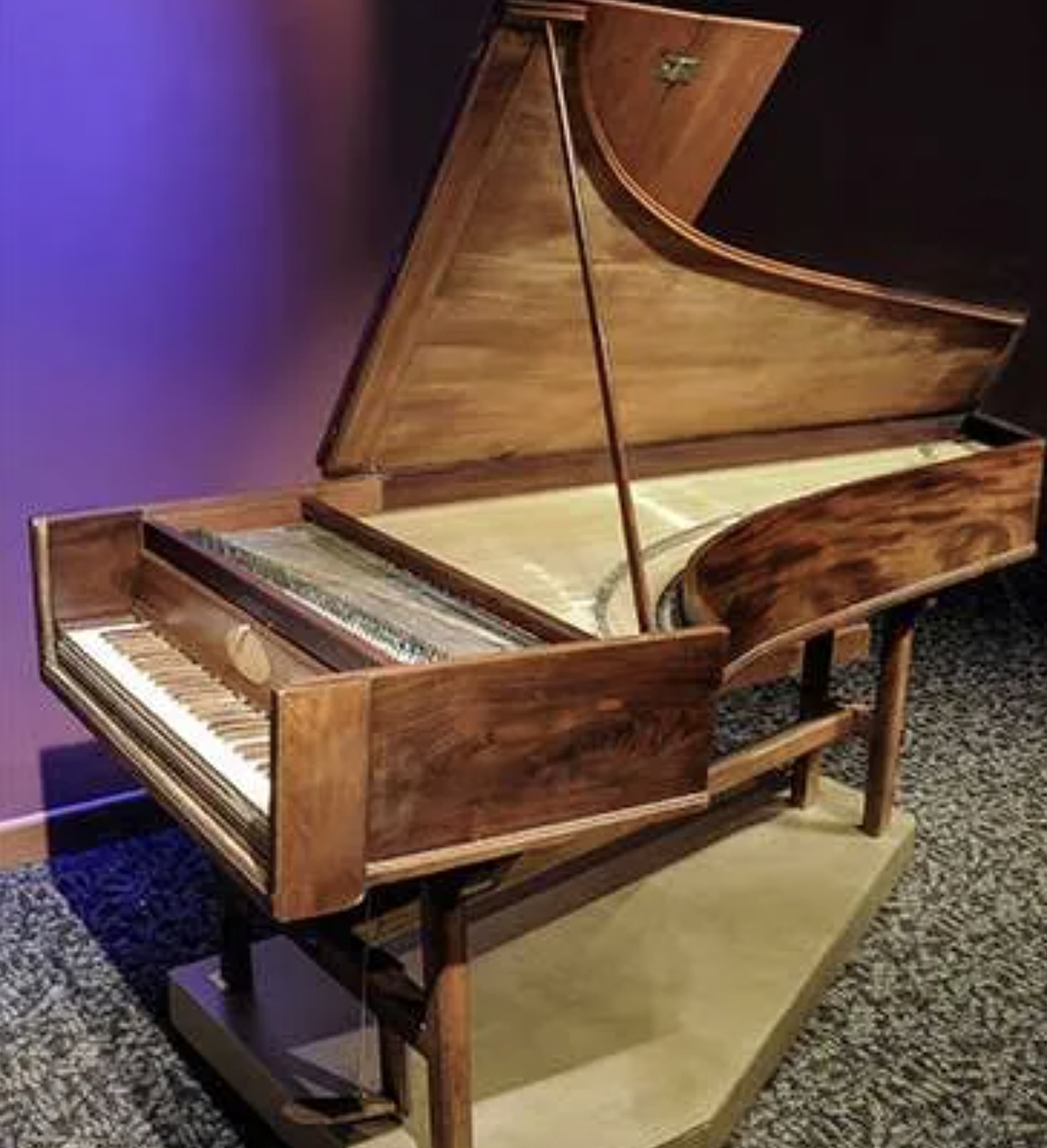
It is likely the only piano he made because Berent joined the Continental Army to fight the British in 1776 and then died of yellow fever in 1780.
Piano historians have been aware of a 1776 advertisement Berent placed in the Pennsylvania Packet offering his new and first American piano for sale. But none knew where the instrument was.
“It was surely lost, a minuscule chance of finding it,” Strange said.
A chance visitor in 2020 to the Sigal Museum began unraveling the mystery.
Pat Giordano, wife of Nicholas Giordano, then the dean of the Auburn University College of Sciences and Mathematics, was impressed with the museum and suggested that some of the pianos her husband had collected over the years be donated.
They were moving and could not take them all.
Strange said the museum took eight, among them this piano thought to be the Berent.
“We were skeptical,” he said.
But when they started investigating it became clear this was the actual piano Berent had fashioned. It contained tulip poplar and Southern white pine, which were found only in America and too inferior to be shipped to Europe.
They found that one family had the piano from the mid-1800s until Giordano bought it in 1966. They had bought it for their daughters to take lessons but the girls didn’t like it and the piano was relegated to the attic for decades.
Diordano brought in a renowned restoration specialist to work on the piano in the 1970s and Strange finished as much as he thought should be done.
He said he thinks the sound is as close as possible to what it was like when it was built.
The Sigal Museum is named for Marlowe A. Sigal, a Newton, Massachusetts, chemical manufacturer whose family left his 700-instrument collection of period keyboards, flutes and whistles, woodwinds, strings, percussion, and world instruments spanning over 400 years to the museum after he died in 2018.
A keyboard collector himself, Strange along with Deborah Strange, Steven Bichel and Beth Marr Lee founded the museum in 2017 in a former bottling plant of the Coca-Cola Bottling Company, built in 1930.
It is in the Heritage Corridor, also home to the Upcountry History Museum, Greenville Museum of Art and Children’s Museum of the Upstate.