Watch your step! Copperhead snakes are more likely to bite you in SC right now. Here’s why
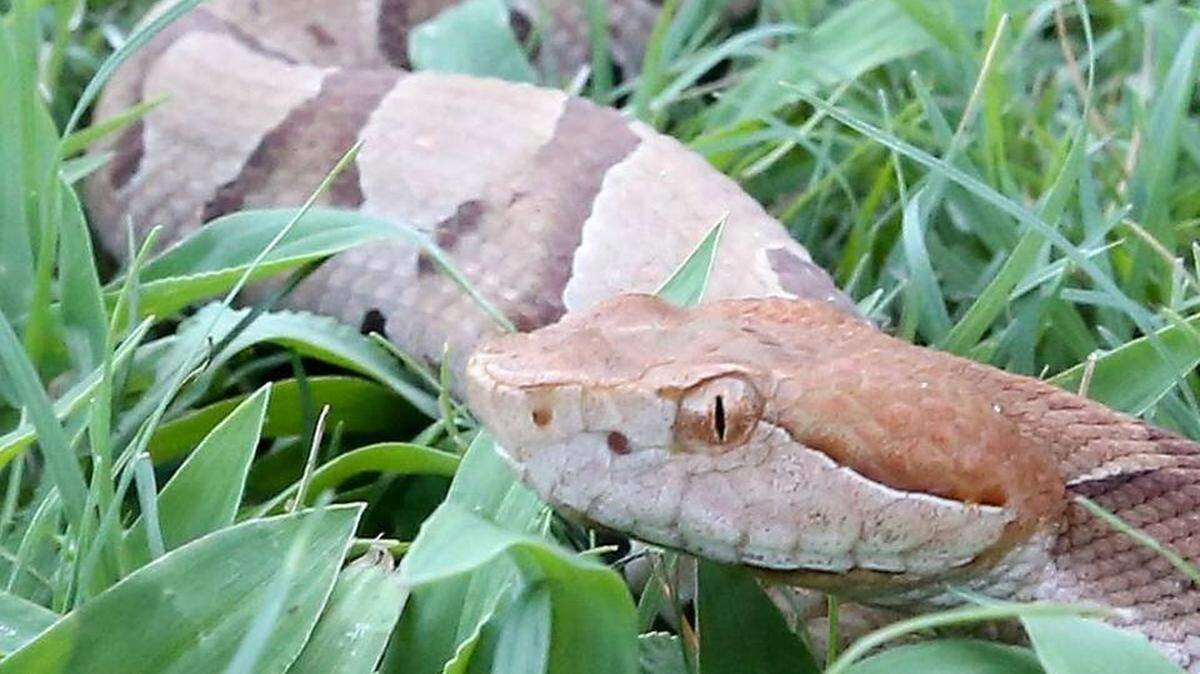
Apparently copperheads aren’t fans of heatwaves either.
Research has found that heatwaves can make venomous snakes more active.
An Emory University study found that snakebites increase by almost 6% for every rise of 0.8 degrees Fahrenheit of temperature in a day. Venomous snakebites increased by 5.6%, while bites from non-venomous snakes jumped by 5.8%, the study shows.
“Snakes are ectotherms, meaning outdoor temperatures influence their internal body temperature and thus their behavior,” the study’s authors wrote.
SC Heatwave
Temperatures in South Carolina have been scorching lately, regularly hitting the 90s on most days for the past month. The state was placed under a heat advisory on Thursday, with the National Weather Service warning of heat indexes as high as 110 degrees. Temperatures are forecast to be at least as bad on Friday.
How to identify a copperhead
The copperhead is the most common venomous snake in South Carolina and gets its name from the coppery-tan color on its head and on parts of its body, Clemson Cooperative Extension states. Copperheads have triangular-shaped heads, similar to an arrowhead and can grow up to 4 feet long.
Copperheads also feature an hourglass-shaped pattern on their bodies — from the head down to the tail. When curled up, this camouflage can make them look like a pile of leaves. And like most other venomous snakes in South Carolina, copperheads have yellow eyes with black vertical and elliptical pupils.
The research
The researchers reviewed Georgia weather and emergency room visits from snake bites over a seven-year period. Georgia was chosen since it is the second-most biodiverse U.S. state in terms of snakes, the study’s authors wrote. There are 45 snake species in Georgia, including the copperhead. South Carolina has 38 different snake species, six of which are venomous.
Meanwhile, the study discovered a smaller chance of being bitten by a snake with lower overnight temperatures.
Most bites happened in the summer. However, the researchers did point out in the study that human and snake encounters are more likely during warmer weather because more people are outside.
Other studies
A separate study published in Science Advances found that snakebites in Costa Rica were exceptionally high during the hot and cold phases of El Niño.
The incidence of snakebites might rise during the hot phase as a result of increased snake activity at higher temperatures, the researchers wrote. However, during the cold phase, snakebites might rise because of abrupt changes in the abundance of prey.
“During the cold phase, a reduction in seed productivity and its effects on prey availability can force snake movement into foraging areas, where they come into contact with humans,” the researchers wrote.
This story was originally published August 2, 2024 at 6:00 AM.