Is flooding from Debby in SC raising the chances of alligator & snake attacks? Here’s what to know
.jpg "Is flooding from Tropical Storm Debby raising the chances of people encountering alligators and snakes?")
READ MORE
Tropical Storm Debby
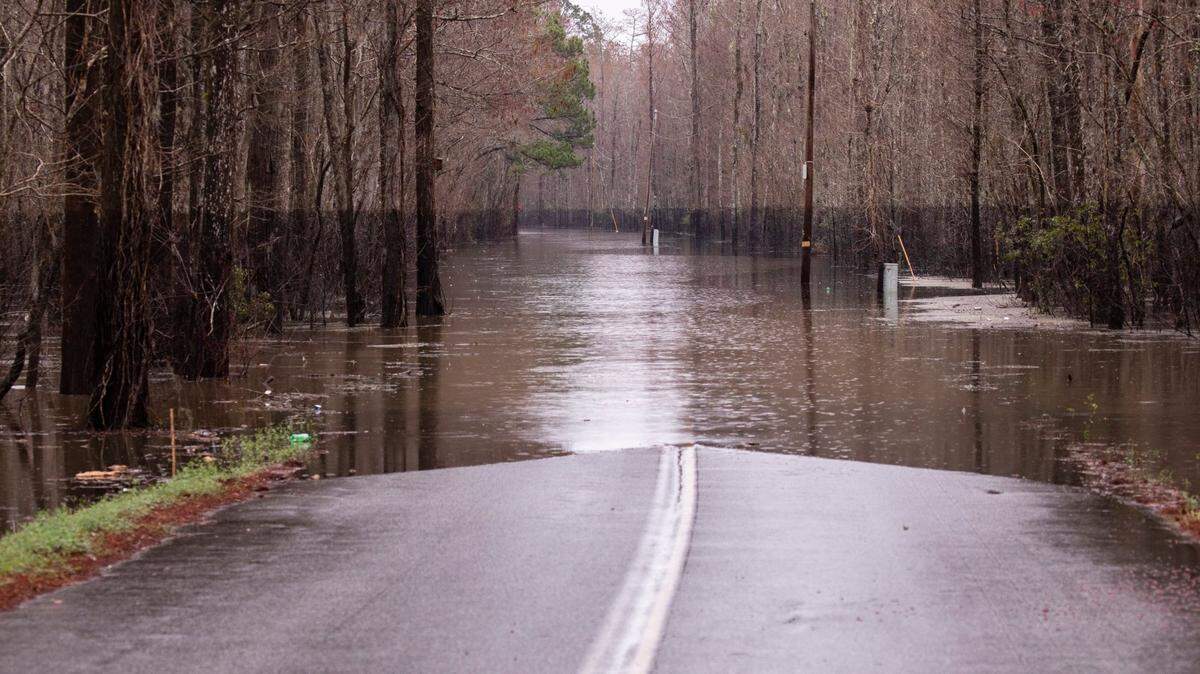
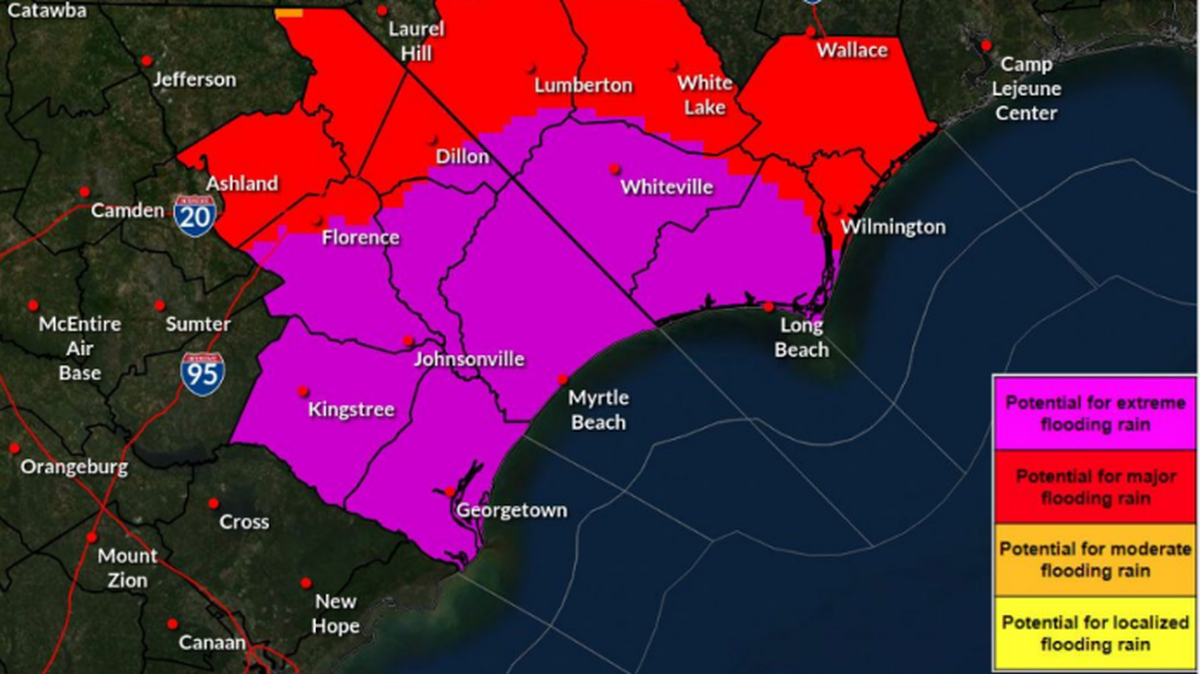
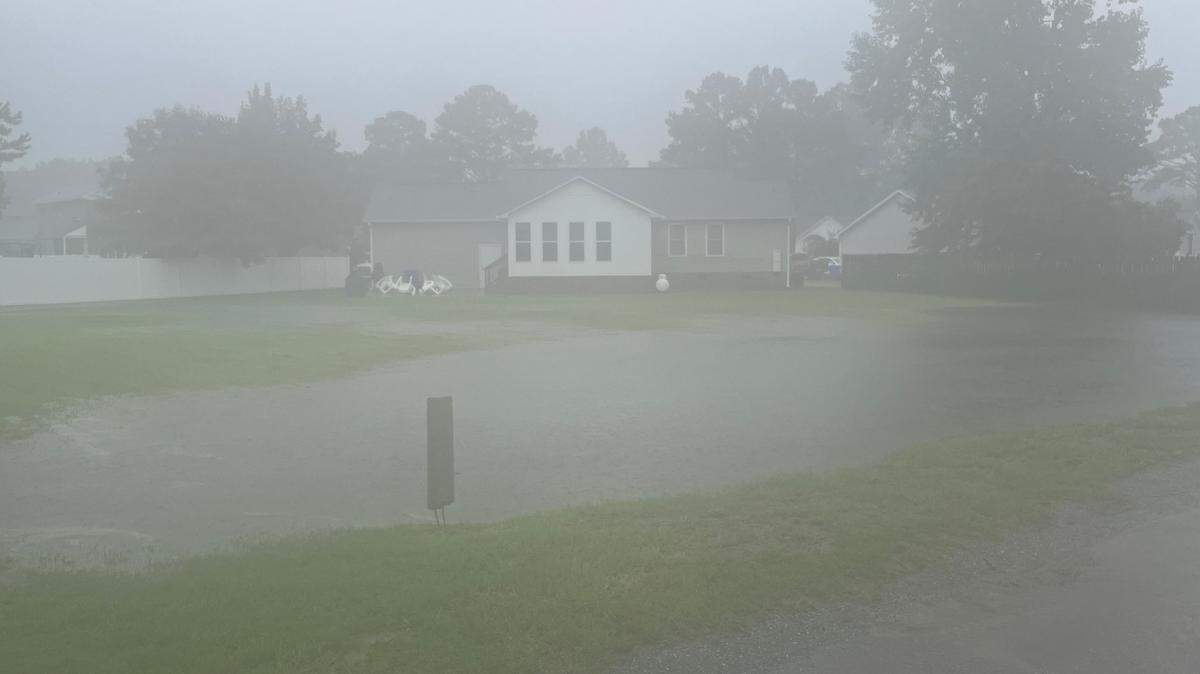
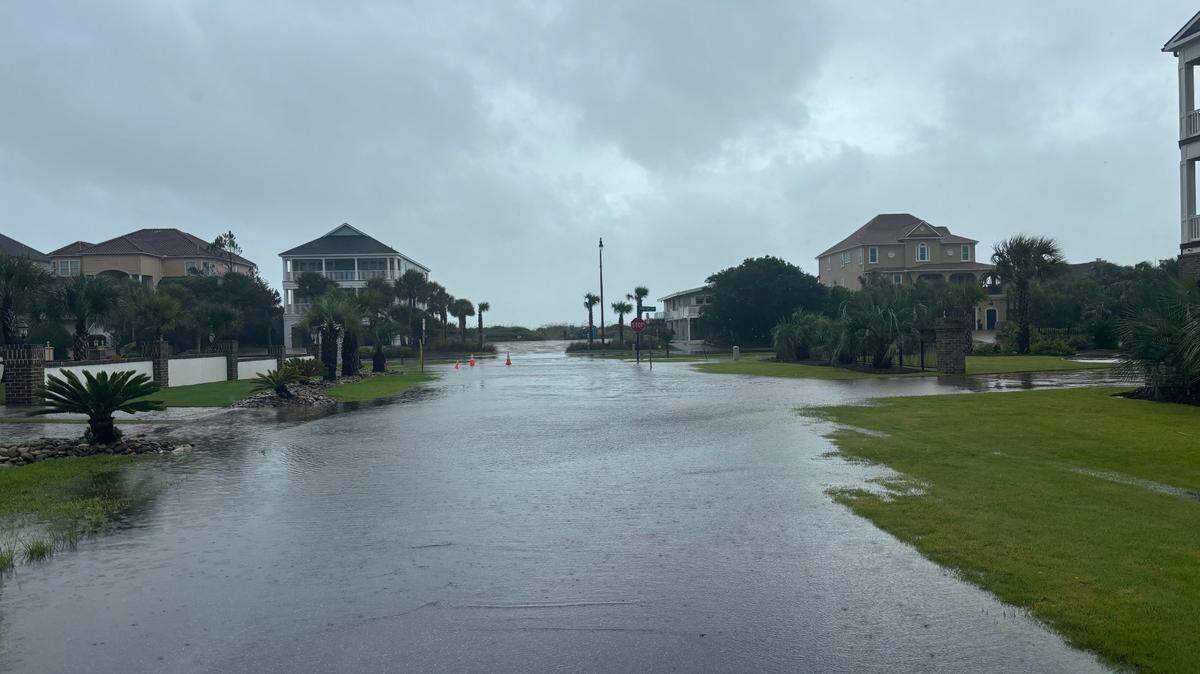
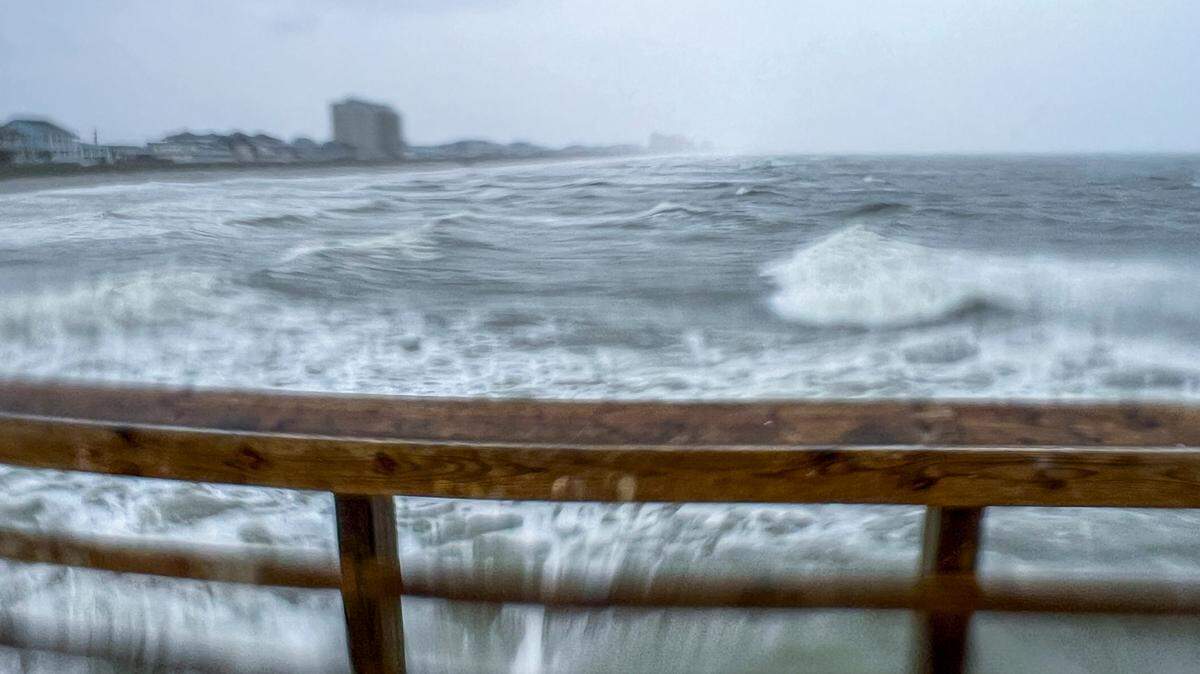
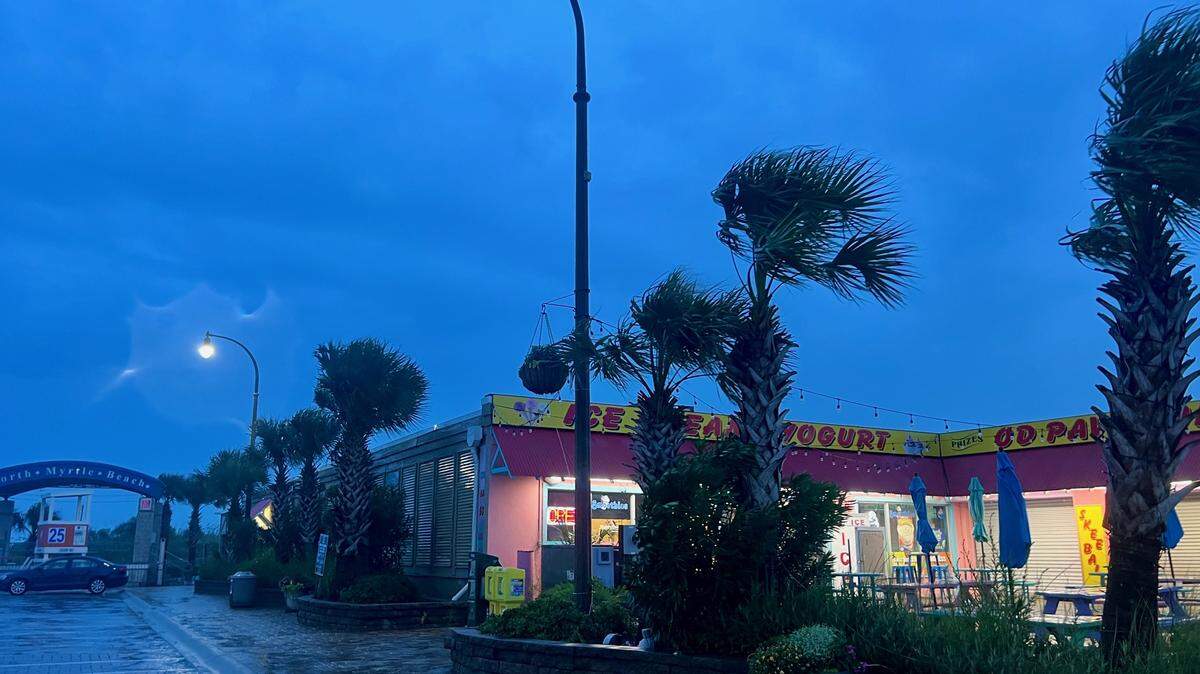
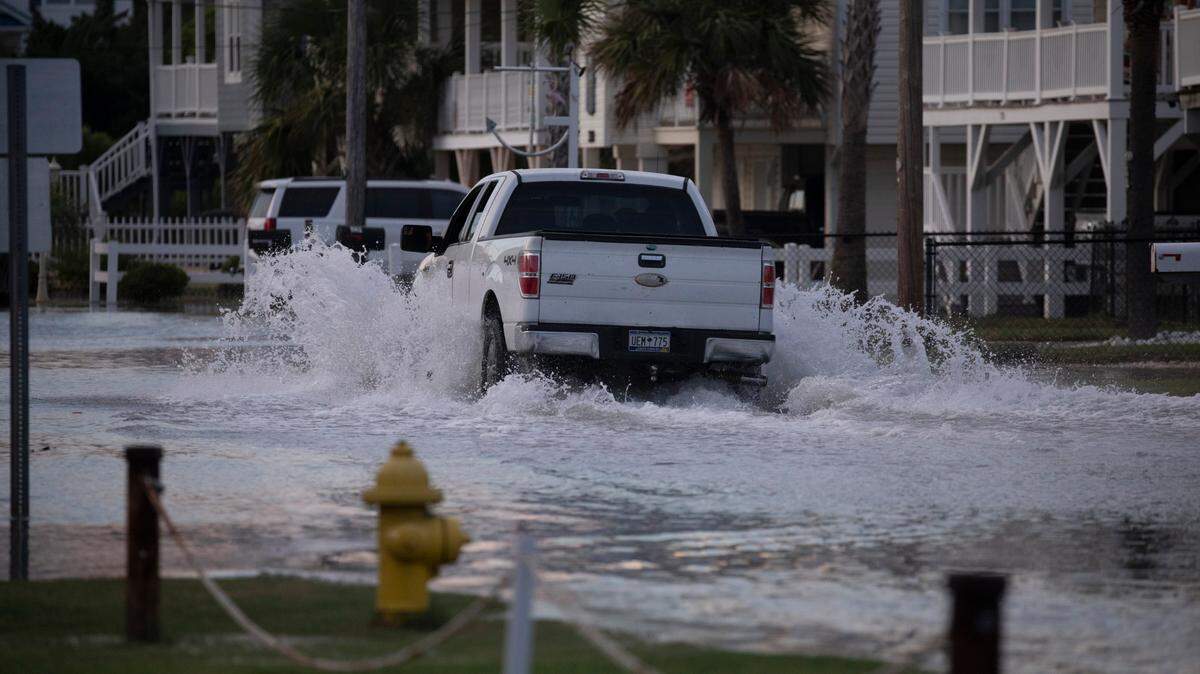
Historic rainfall from Tropical Storm Debby could lead to dangerous flooding. The rain will likely bring dangerous flooding, including flash floods, urban floods and potential storm surges.
Expand All
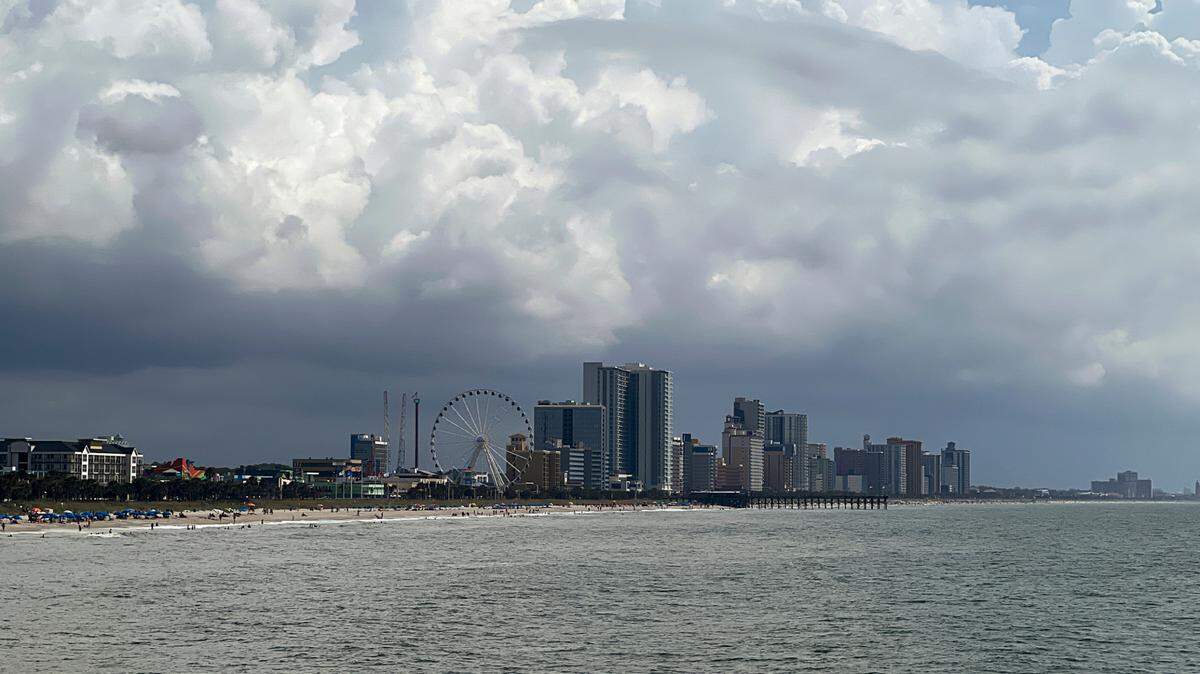
Chances are you’re not going to see an alligator wash up as Debby comes ashore in South Carolina, certainly not in the Midlands, but also not along the coast.
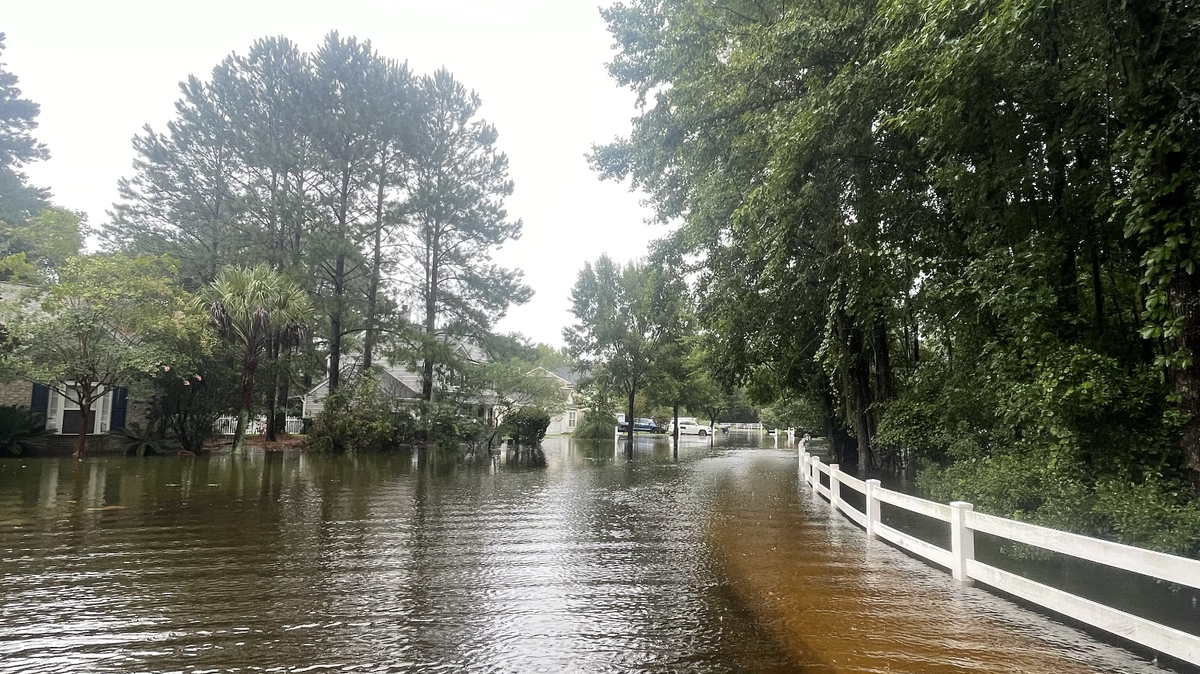
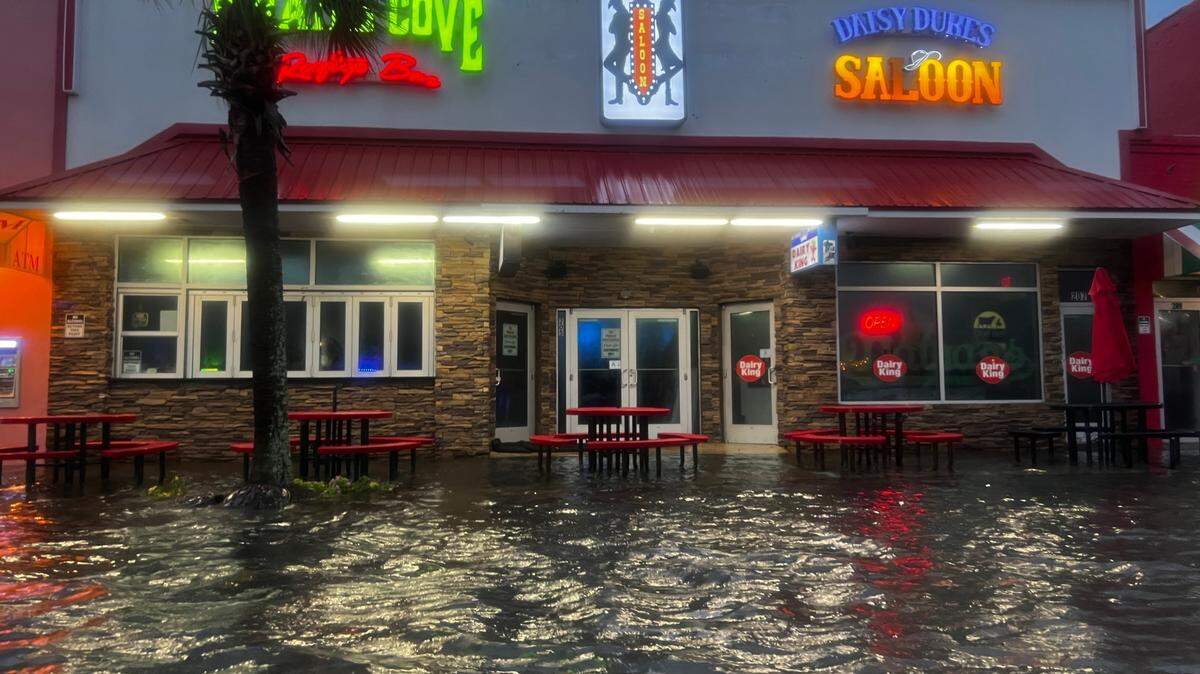
But then again, you could tell that to Eric Ness, who in 2022 looked outside his Myrtle Beach condo and saw a 6-to-7-foot alligator swimming through floodwaters in heavy rain.
“That’s like the fourth gator I’ve seen this morning,” he said at the time.
Already, several alligators have been seen recently outside their usual habitat in the Hilton Head area.
Morgan Hart, the alligator project leader for the South Carolina Department of Natural Resources, says the place you’re most likely to see an alligator in South Carolina is where you look the hardest.
They are in any sizable body of fresh water below the state’s Fall Line, which runs roughly parallel to U.S. Highway 1, some 100,000 strong.
And most likely they will burrow in when a storm is brewing. Researchers believe alligators, like sharks, can sense incoming storms and hurricanes due to a change in barometric pressure. Sharks move to deeper water. Alligators move from swamps, rivers and lakes to higher ground or burrow into the mud underground.
And, despite what some people think, alligators are more likely to try to get away from you than to latch on and drag you into a swamp death roll.
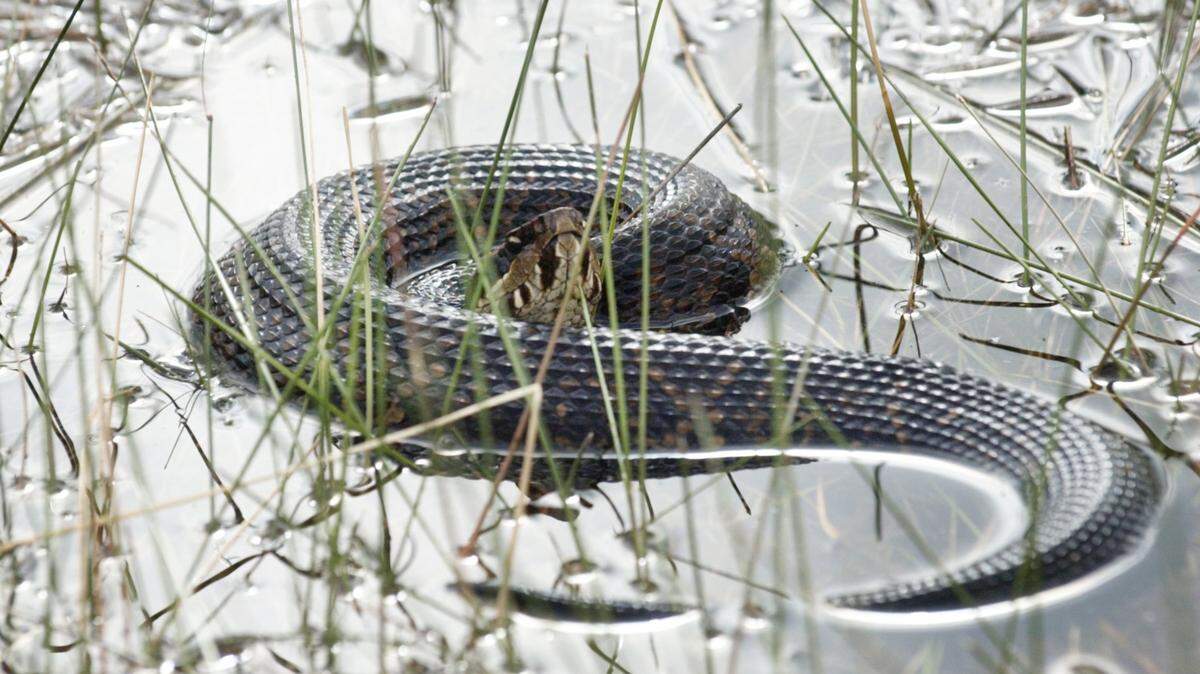
Snakes, though, are another matter. When floodwater threatens their homes — usually burrows of another type of animal — they slither out and swim through the water to safety. Often that means your house, where the floodwater can allow them to get in at a higher level than normal into cracks you may not even know are there.
Then they get stuck once the water recedes. (Only a few types of snakes in South Carolina can climb.) Rodents and spiders can be in there, too, but likely not with snakes seeing prey while trapped.
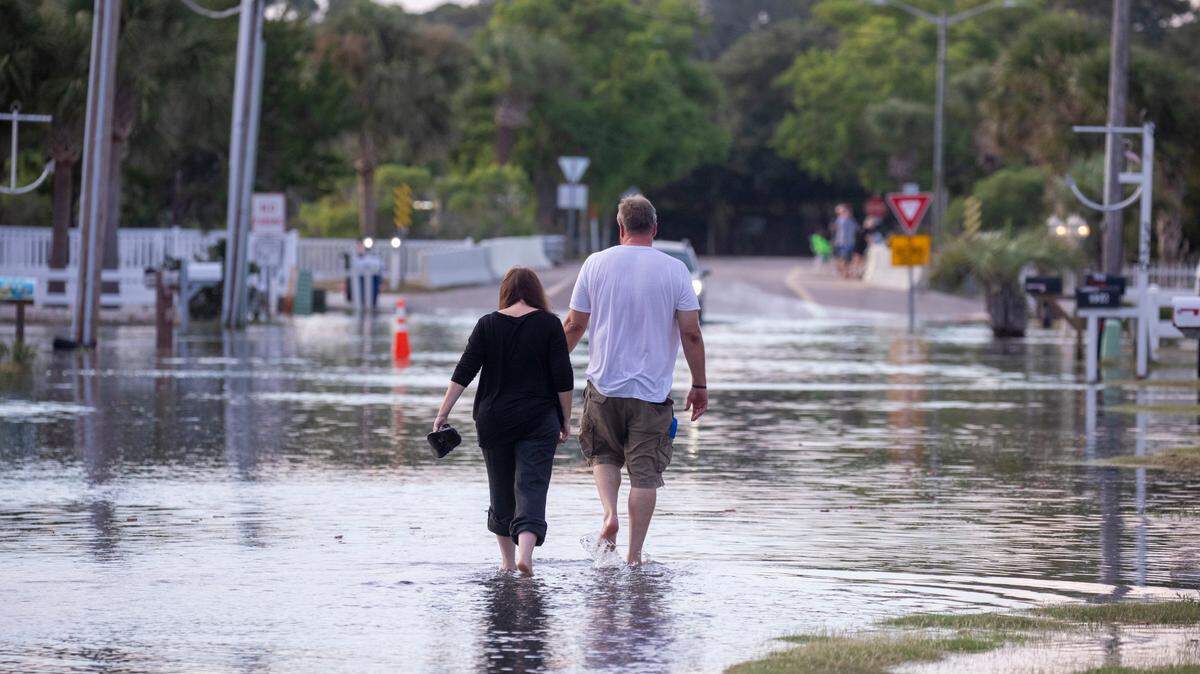
It’s probably a good idea, for many reasons, to stay out of floodwaters. Despite what some people think, snakes — including the always scary rattlesnake — do not have to coil their bodies to strike and bite. They can lunge farther if coiled, but their mouths still work while swimming.
Watch for snakes hiding under debris or other objects.
The Centers for Disease Control offers these tips to avoid problems with animals displaced by floodwaters.
Stay away from them and call authorities.
Get rid of dead animals, according to guidelines from your local animal control authority, as soon as you can. See Safety Guidelines: Disposing of Dead Animals for answers to frequently asked questions.
Rodents spread disease and can aggravate asthma. Close holes in your walls and wash anything you use for eating and cooking immediately.
Store food and water in containers made of thick plastic, glass, or metal with a tight-fitting lid.
Throw out trash as soon as you can. Put trash in a covered trash can or dumpster.
Trap rodents in spring-loaded snap traps, then wearing rubber or plastic gloves, seal the dead rodent in two plastic bags, and throw them away.
If you’re walking in high water, and feel a bite, don’t ignore that it could have come from a snake. Look for a pair of puncture marks and pain, redness and swelling at the wound. Other symptoms are difficulty breathing, disturbed vision, Increased salivation and sweating and numbness.
This story was originally published August 7, 2024 at 6:00 AM.
.jpeg)
.jpeg)

.jpeg)
.jpeg)
.JPG)