
Should you be worried about mpox in SC? Here’s what state health officials say
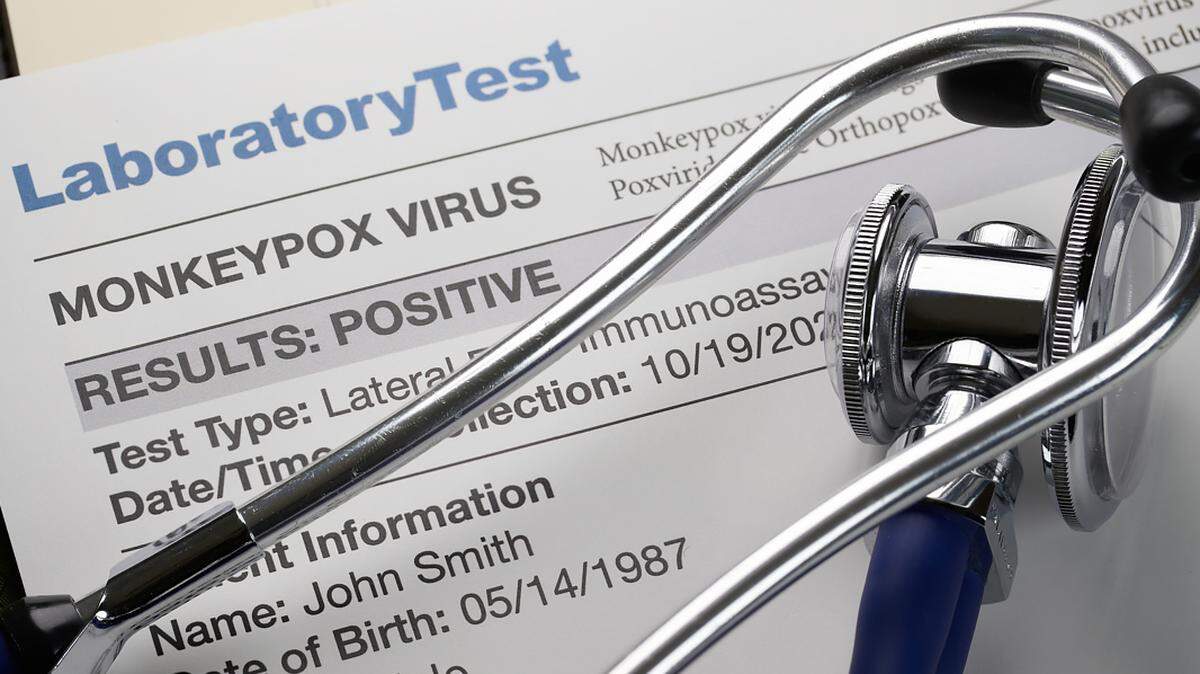
Once known as monkeypox, the virus mpox has spread outside the Democratic Republic of the Congo to other African countries, causing the World Health Organization to label it an international health concern.
The Democratic Republic of the Congo has reported 1,200 deaths and 22,000 mpox cases since January 2023.
So far, there are no cases in the United States, but the South Carolina Department of Public Health and the Centers for Disease Control are monitoring the spread closely, Casey White, spokesperson for SC Public Health said Tuesday.
“The risk to the general public in South Carolina is very low,” she said.
Another strain of mpox, Clade II, was found in the U.S. in 2022 and caused 58 deaths and 32,063 cases.
South Carolina had 238 cases and one death in 2023, CDC records show.
That outbreak was declared over, but 28 cases of Clade II mpox have been reported in South Carolina so far this year.
The health department and some doctors have the FDA-approved vaccine for mpox, which was critical in stemming the outbreak two years ago.
SC Public Health says there is no need for the general public to get vaccinated now.
As for Clade 1, it spreads in both humans and animals and is endemic to west and central Africa. It is spread by close contact and sometimes the environment, the CDC said.
Clade 1 was first found in the Congo in 1970. Symptoms include a rash that forms blisters, fever, and swollen lymph nodes. The illness is usually mild, and most infected individuals recover within a few weeks without treatment, the CDC said.
“It is time to act decisively to prevent history from repeating itself,” said Dimie Ogoina, who chairs the International Health Regulations’ Emergency Committee, which advises WHO.
The CDC said the risk is low in the U.S. at this time because few people travel to the Democratic Republic of the Congo and there are no direct commercial flights from there.
If you’ve had mpox or are vaccinated you are at little risk, the CDC said.
Others can protect themselves by:
Avoiding close contact with people who are sick with signs and symptoms of mpox, including those with skin lesions or genital lesions.
Avoiding contact with wild animals (alive or dead) in areas where mpox regularly occurs.
Avoiding contact with contaminated materials used by people who are sick (such as clothing, bedding, or materials used in healthcare settings) or that came into contact with wild animals.
Avoiding eating or preparing meat from wild animals (bushmeat) or using products (creams, lotions, powders) derived from wild animals.