
What’s the chance of a black bear attacking you in SC? Here’s what DNR says
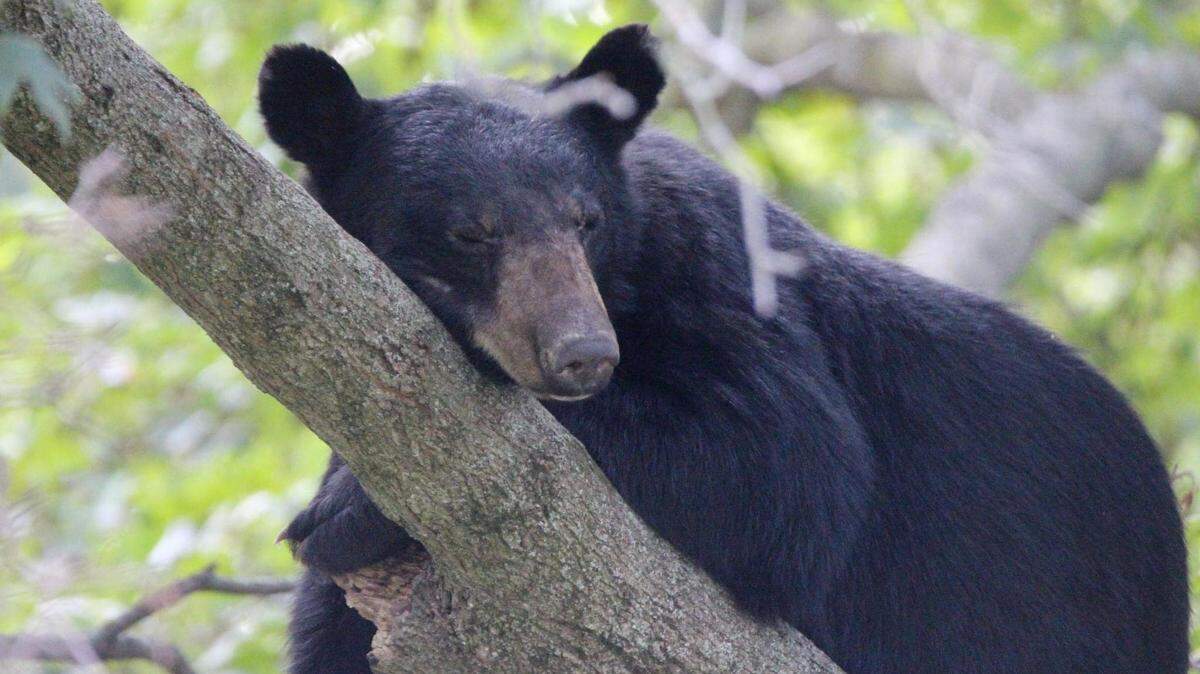
What is the likelihood you’ll have a run-in with a black bear in South Carolina?
Afterall, this is prime time for them to be out and about, usually foraging for their favorite fruits and sometimes looking to go through your trash and raid your bird feeders. They also like bee hives and chicken coops.
But South Carolina has never had a bear attack, much less fatality, records show.
And encounters are not usually the bear’s fault; people do a lot to bring bears to them.
Tammy Waldrop, a bear biologist for the South Carolina Department of Natural Resources, said the bear population has increased at the same time people have pressed further into bear country.
Part of her job is educating people about how to live harmoniously with bears.
That means:
No feeding. If a bear finds food at your house, he’ll be back. Also, it is illegal to feed bears punishable by up to a $500 fine or 30 days in jail.
Keep garbage in tightly shut or bear-proof trash cans.
Put pet food in airtight storage containers and don’t leave leftover food out in the open. Waldrop said bears have broken into houses to get to pet food. They have an amazing sense of smell.
Keep charcoal and gas grills covered and clean.
Take bird feeders down the first time you notice a bear getting into them. This is especially true in the spring when bears are hungry and food sources are limited.
Protect beehives with an electric, bear-proof fence.
When in the backcountry, DNR recommends:
Never approach a bear. You want a photo? Use a telephoto lens.
Have a plan of action for dealing with bears and be sure everyone understands it.
If you are traveling with small children, make sure you know where they are at all times.
Consider carrying a chemical repellent, commonly referred to as “pepper spray.” Tests have shown these will stop a charging bear if sprayed into the bear’s eyes, nose and mouth.
Here’s what to do if you fear an attack:
Black bears will charge on all four legs at a high speed on all four legs, not standing. You cannot outrun them.
Most charges are bluffs.
When a bear stands on its hind legs it is curious and just trying to see better, and may huff, snap its jaws and swat the ground to intimidate you. Back away slowly.
Do not play dead. Defend yourself with whatever you’ve got. Jump up and down, shout, and wave your arms. Throw rocks. It may help to raise your jacket or backpack to make yourself look bigger, DNR says. Do not run. Like dogs, they’re going to chase.
Talk to the bear in low tones. Establish you are a human and not prey.
Do not scream.
Always leave the bear a way to escape.
Basic bear facts from DNR:
Black bear is the only bear species found in SC. There are two resident populations — coastal and mountains and others wander among all South Carolina counties. Several years ago, DNR estimated there were 900 bears in the mountains and 225 at the coast. DNR is in the midst of a multi-year program to estimate the population using DNA analysis of fur.
A male’s territory may have a radius of 10 miles; female’s 4-5 miles.
About 80 percent of a black bear’s diet is plant matter (plants, berries, nuts, etc.). The other 20 percent includes insects and meat.
Adult black bears typically weigh 180 to 350 pounds. The largest male bear on record in South Carolina weighed 594 pounds. Adult females average 150 pounds.
Female bears, called sows, begin breeding at about 3.5 years old and generally have one to four cubs every other year.
In South Carolina, the breeding season runs from June to August, and cubs are born about seven months later in late January to early February.
Bears are excellent climbers and climb trees when they are frightened.
Male bears roam more during the breeding season, from June to August.
Bears eat acorns and nuts to gain fat stores to get them through the winter.
Bears can’t be relocated. Moving them does not address the problem of people leaving trash and other food items out. And they or another bear will just come back.
South Carolina no longer has areas remote enough to handle relocations so DNR does not relocate them, Waldrop said. The best method of dealing with bears in your trash is to pick up the trash.
If you see a black bear, report it.
For black bear emergencies, please call 1-800-922-5431 or 911.