This is how to identify price gouging after Helene in SC and how to report it
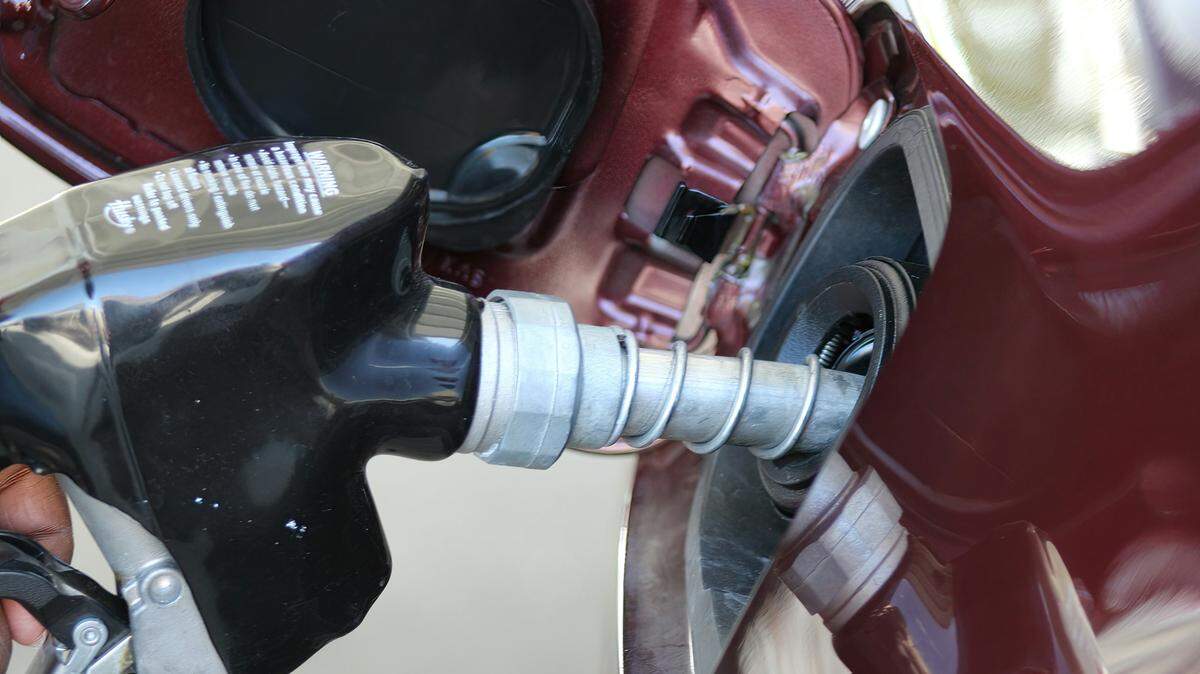
Have you seen higher prices for gas or other products in South Carolina since Helene hit?
If so, is any of that price gouging?
Governor Henry McMaster declared a State of Emergency for South Carolina on Sept. 25 in preparation for the storm that resulted in 31 deaths, knocked out power to hundreds of thousands of residents, flooded many homes and downed countless trees and limbs in the state. South Carolina’s prohibition against price gouging will be underway as long as the State of Emergency is in effect.
But just because you see a product or service that’s more expensive than usual, that doesn’t mean it’s price gouging. Here’s what to know.
What is price gouging in SC?
Businesses and industries heavily impacted by storms like Helene may need to raise prices to resupply. Those businesses should disclose the increases so consumers can make informed decisions.
However, under State law (SC §39-5-145), price gouging is “a general prohibition of unconscionable prices during times of disaster.” Price gouging is a misdemeanor and can be punishable by a $1,000 fine and or 30 days in jail.
“We can expect normal price increases, and those are not considered price gouging under our law. But we may see businesses and individuals looking to unfairly take advantage of the situation through price gouging of food, gasoline, lodging, and other commodities as defined by the statute. By our law, that’s a criminal violation and an unfair trade practice,” S.C. Attorney General Alan Wilson said in a recent press release.
How to report price gouging in SC
If you believe a business is price gouging, here are the steps to take:
- Note the time, address, place and name of the business.
- Write down the price you paid.
- Note any prices nearby and get the same information on those gas stations or businesses.
- Take pictures that show the business, along with the price.
- Provide your name and contact information.
- Email the examples and documentation of price gouging to pricegouging@scag.gov. You can also provide that information at https://www.scag.gov/price-gouging/.
- If you don’t have access to email or the website, call 803-737-3953 and leave a message if you have witnessed price gouging. Include details listed above.
How to avoid price gouging
Here are tips to take to avoid price gouging, according to S.C. Department of Consumer Affairs.
- Buy essential items like food, water and fuel before you need them. When it comes to bad weather like a hurricane, you usually have some warning to make a last-minute trip to the store.
- Research products and service you anticipate needing. While prices may go up a bit because of supply and demand, a large jump from the estimate/quote you initially receive will give you evidence of price gouging. Make sure to have the phone numbers of several companies so that when you need their service — like for flood damage repair — you can compare prices and find the best deal.