A major, colorful meteor shower will light up SC skies soon. Here’s when, how to watch
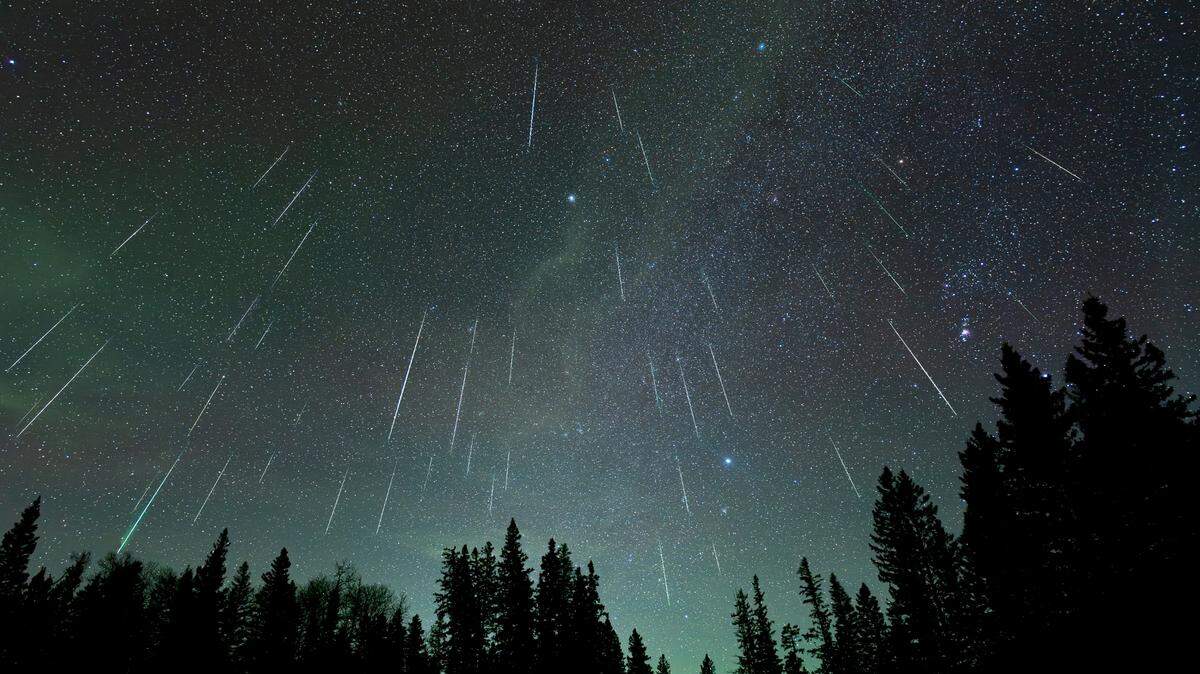
A free cosmic light show will appear over South Carolina soon for those willing to stay up late enough to see it.
The famous annual Leonid meteor shower has been underway since Nov. 3. However, it will peak over the northern hemisphere late Sunday night into dawn on Monday, according to EarthSky.
Leonid meteor shower
NASA states that the Leonids are considered to be a major shower, with bright meteors that can also be colorful. They are also fast, traveling at speeds of 44 miles per second. Leonids are also known for their fireballs and Earth-grazer meteors.
Fireballs are larger explosions of light and color that can last longer than an average meteor streak. This is because fireballs originate from larger particles of cometary material. Fireballs are also brighter. Earth-grazers streak close to the horizon and are known for their long and colorful tails.
How to watch in SC
The skies should be clear across much of South Carolina over the weekend, but the light of the moon is expected to wash out views of some of the Leonids unless you take a few steps.
To view the Leonids, start around midnight and get to an area away from city or street lights. Orient yourself with your feet toward the east, lie flat on your back and look up.
On nights with a bright moon, you’ll notice that it casts shadows. So when you’re out looking for Leonids, don’t stand under a wide-open sky. Instead, find somewhere that provides a wide expanse of sky, but blocks out moonlight, such as a hedgerow of trees. Sitting in the shadow of a barn or other building will also work.
Be patient if you don’t see meteors immediately. The show should last until dawn.
Where meteors come from
Meteors are leftover comet particles and broken pieces of asteroids. When comets move around the sun, the dust they emit eventually spreads into a trail around their orbits. Every year the Earth passes through these debris trails, allowing bits to collide with the atmosphere, creating fiery streaks in the sky.
Periodic Comet Tempel-Tuttle or 55P/Temple-Tuttle, is responsible for the Leonid meteor shower. William Tempel of Marseilles Observatory in France discovered this comet on the evening of December 19, 1865. However, word of the discovery had not reached the U.S. by the time Horace Tuttle of Harvard College Observatory picked up the comet 17 days later, on the evening of January 5, 1866. Since it was an independent discovery, Tuttle’s name was added to the comet.