Ruby-throated hummingbirds are almost back in SC! Here’s when to put out your feeders
Got your feeders out yet?
Spring is nearly here and already life has begun to stir across South Carolina. Splashes of color have started to sprout from certain trees and flowers. And the buzzing of insects and chirping of birds have kicked off.
But what about the popular ruby-throated hummingbird? When do the birds return to South Carolina and when should you put your feeders out to attract them to your yard?
Here’s what to know.
Ruby-throated hummingbirds
The tiny birds typically begin migrating to the Palmetto State in mid-March through the end of the month. They’re the most common hummingbird species in South Carolina and the only one to breed in the eastern U.S.
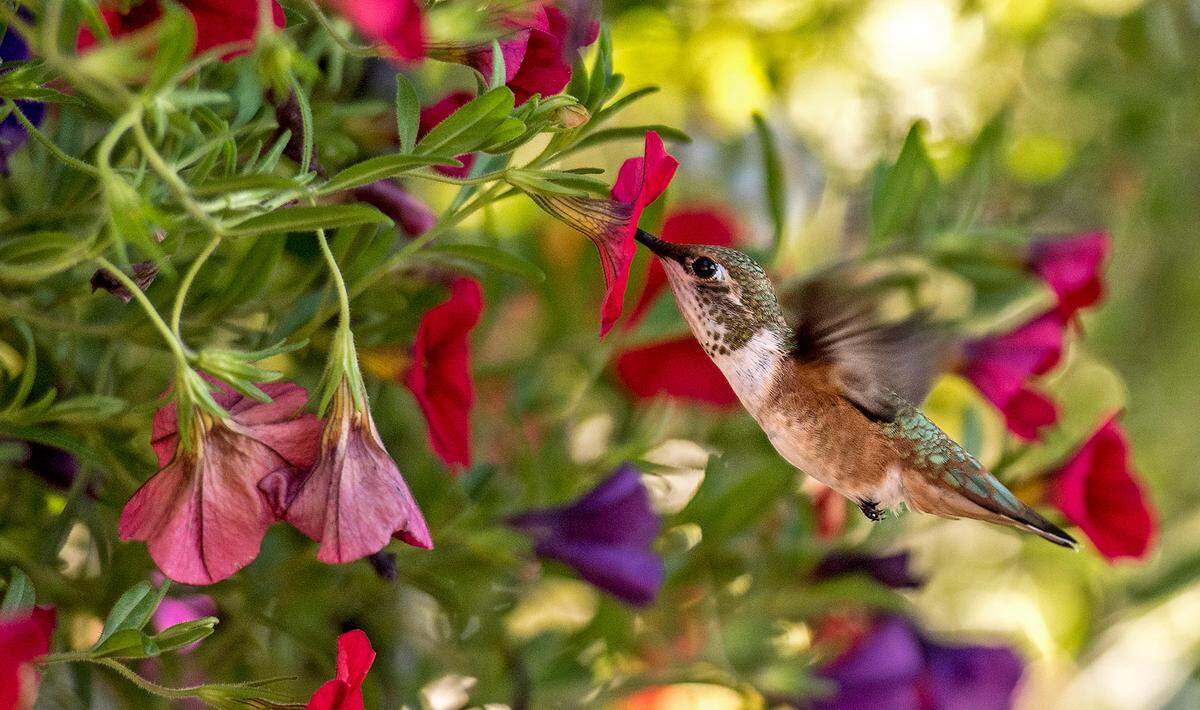
Averaging only 3.5 grams as an adult, ruby-throated hummingbirds migrate thousands of miles annually. Like other hummingbirds, they play an important role in the pollination of flowers. They’re primarily woodland birds that occupy mixed woodlands, eastern deciduous and pine forests, and forest edges.
They feed every day on nectar from wildflower blossoms. They also consume large quantities of insects.
How to attract hummingbirds
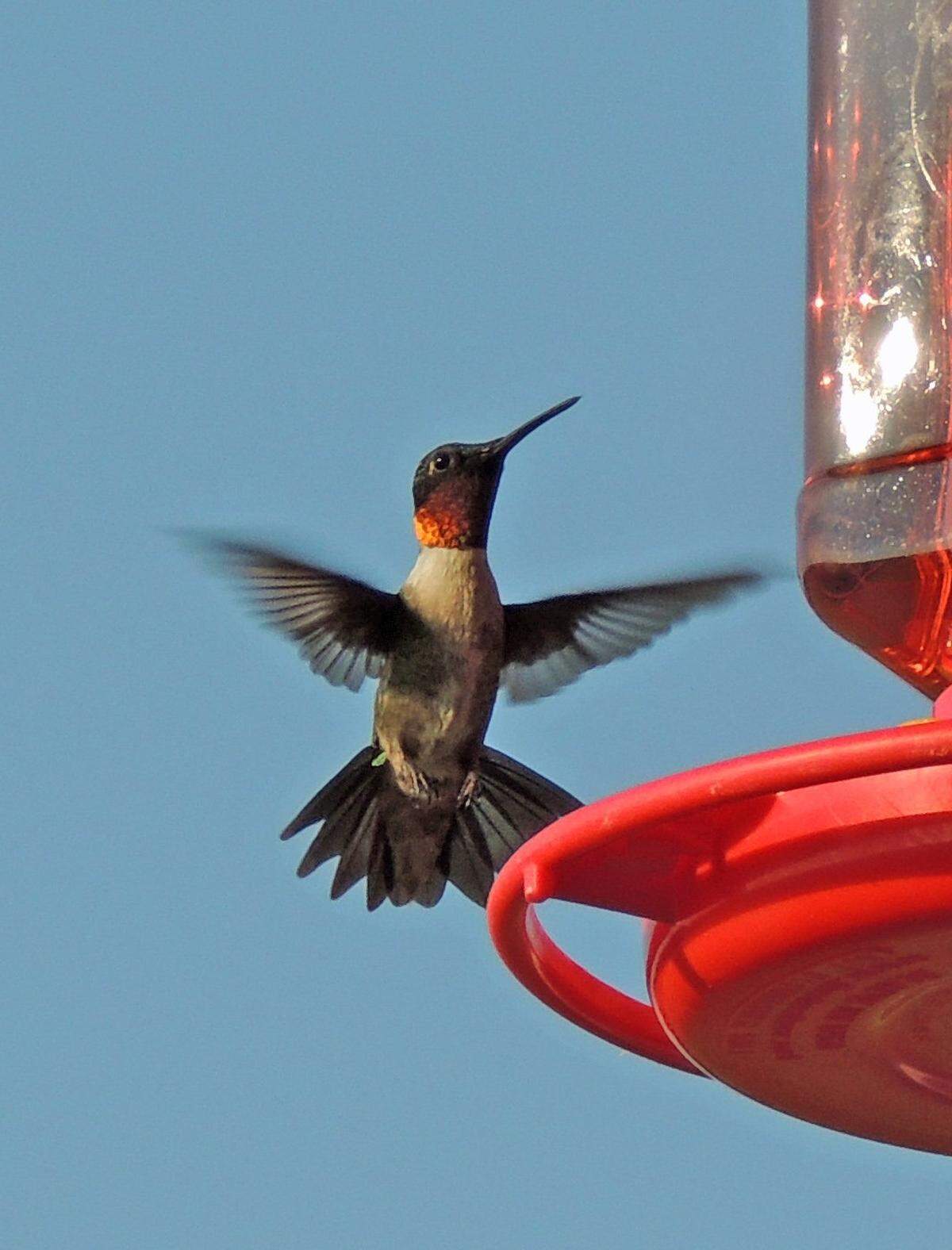
If you want ruby-throated hummingbirds to visit your home, now is the time to put out feeders, according to the Clemson Cooperative Extension’s Home & Garden Information Center. To set up the best feeders, follow these instructions:
- Make nectar by mixing 1-part sugar with 4-parts water (for example, 1 cup of sugar with 4 cups of water) until the sugar is dissolved. It is not necessary to boil the water, but you want to make sure the sugar is completely dissolved. Do not add any food coloring, as it may harm the birds.
- After filling your feeder with the nectar, hang it in a shadier spot instead of out in the sun to avoid feeder leakage and to slow down mold build-up. Hummingbirds will guard the feeders, so they like to perch in nearby trees to keep watch.
- You can store extra sugar water in the fridge for between seven and 10 days. However, let the sugar water reach room temperature before putting it in a feeder.
- Change the nectar out every two to three days and clean the feeder each time to prevent mold growth. You should clean the feeder every day once temperatures get above 90 degrees.
- Don’t use soap to clean the feeder, as it tastes bad and could be harmful. Instead, use a vinegar solution (1-part vinegar and 2 parts water) instead and a bottle brush to clean the feeder. Then rinse thoroughly.
Flowers
Instead of using a feeder, certain types of flowers planted around your home can attract hummingbirds. Below are some examples.
- Trumpet Vine/Trumpet Creeper (Campsis radicans)
- Trumpet Honeysuckle (Lonicera sempervirens)
- Red Cardinal Flower (Lobelia cardinalis)
- Bee Balm (Monarda)
- Sage (Salvia) (Salvia spp.)
- Rhododendron (Rhododendron catawbiense)
- Lupine (Lupinus)
- Columbine (Aquilegia)
- Lily (Lilium canadense) and (Lilium columbianum)
- Indian Pink/Woodland Pinkroot (Spigelia marilandica)
- Azalea (Azalea) Red Buckeye (Aesculus pavia)
- Mountain Laurel (Kalmia latifolia)
- Coral Bells (Heuchera)
- Beard Tongues (Penstemon)
- New Jersey Tea (Ceanothus americanus)
- Dense Blazing Star (Liatris spicata)
- Phlox (Phlox) Zinnia (Zinnia)
- Petunia (Petunia)
- Impatiens (Impatiens)
- Orange Jewelweed (Impatiens capensis)
- Flowering Tobacco (Nicotiana tabacum)
- Rose of Sharon (Hibiscus syriacus)
This story was originally published March 15, 2025 at 6:00 AM.