These 6 insects invading SC will destroy your home and yard. Here’s how to get rid of them
South Carolina hardly has a shortage of its own insect species. During late spring and into summer, insects of all shapes and sizes will make their presence known across the Palmetto State.
But while many insects can be annoying, some are far worse than others and can even be destructive. Then there are those that didn’t originate in South Carolina and as such, have wreaked havoc on the ecosystem and homes in the state.
South Carolina has become home to quite a few invasive insect species over the years. Here are six of the worst, along with recommendations on how best to get rid of them.
Brown Marmorated Stink Bug
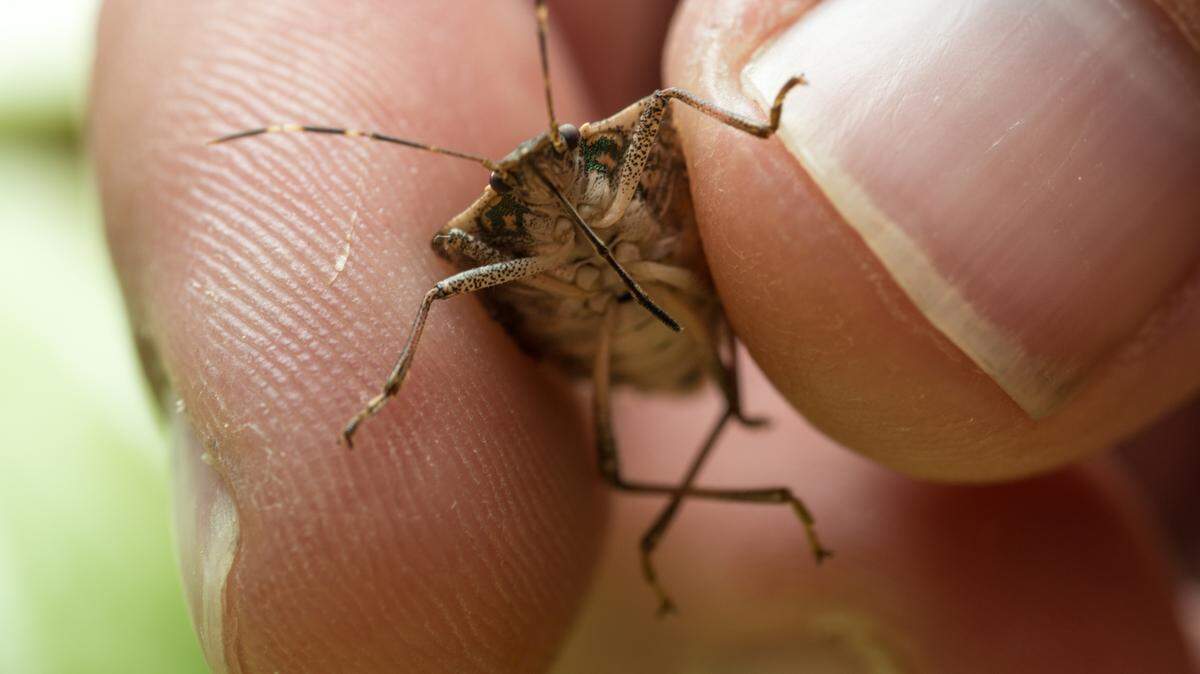
The brown marmorated stink bug is also a relative newcomer to South Carolina. It was first detected in 2011 and has since spread across the state. The species is native to Asia and likely came to the U.S. in the 1990s via a shipping container, according to the Environmental Protection Agency.
These bugs have brown-grey undersides, rounded edges on their “shoulders” behind the head and a thin attachment of the mouthpart to the front of the head. There are black and white bands on their antennae.
The stink bug earned its name “from its tendency to release an odor when disturbed or when crushed,” the National Pest Management Association states.
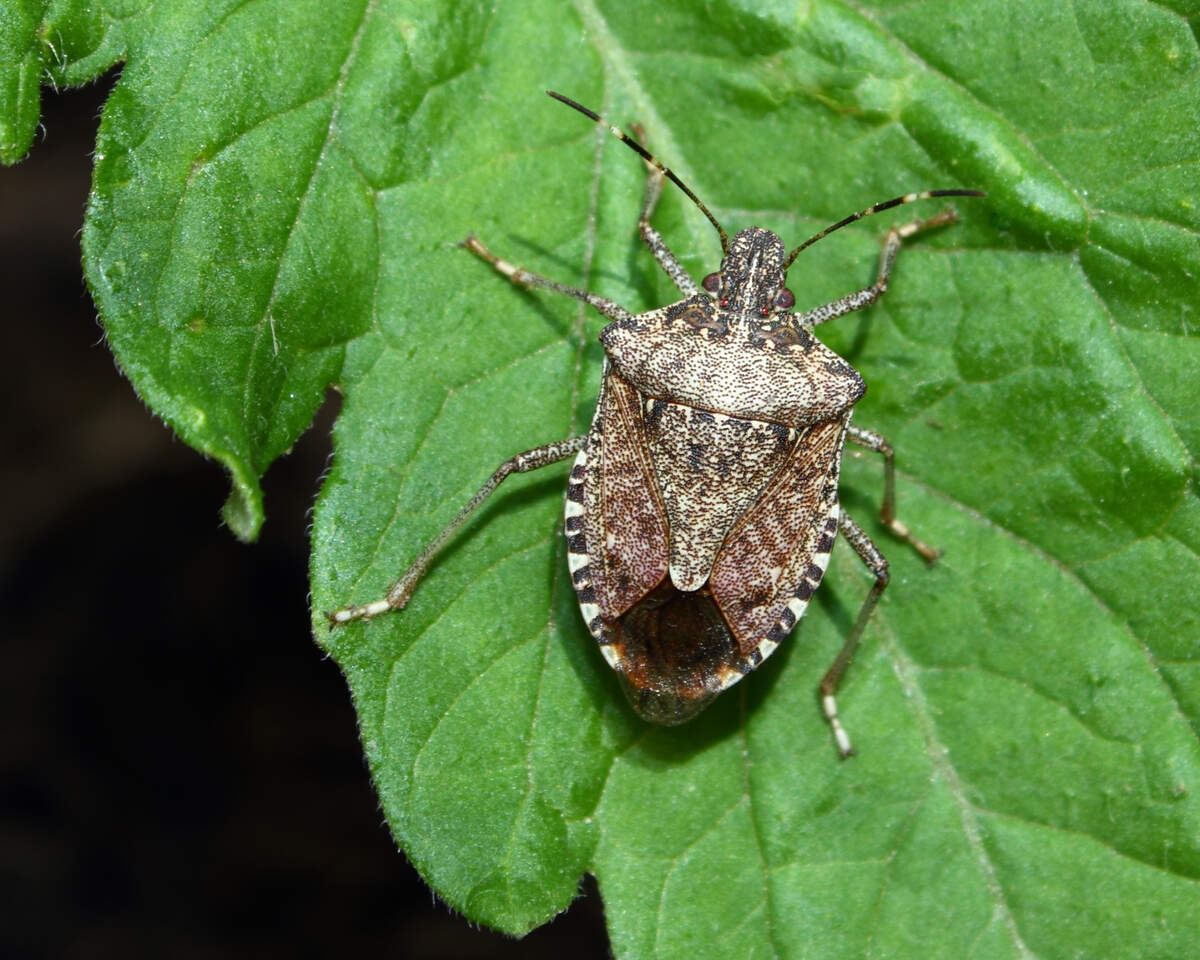
The insect has been a significant pest in South Carolina, feeding on a wide variety of plants, including fruit trees, vegetables and ornamental varieties. They also like to invade homes during the winter months.
Infestation control
- Use winter stripping or other sealers to reduce small openings around doors and windows.
- Check that window screening is intact and fits tightly.
- Check plumbing inserts and areas where cable and electrical lines enter the building.
- Make sure dampers on chimneys fit tightly in the closed position.
- If there is a large outdoor infestation, regular insecticide is an option. Apply it at entry points around the home, as well as around cracks and crevices.
Red Imported Fire Ants
Red imported fire ants were first discovered in the 1960s in ornamental nursery plants near Seneca, SC. Those were eradicated, but fire ants were later discovered in the Charleston area and they’ve spread ever since, Clemson Cooperative Extension states. They can now be found in every county.
The small critters are a dark-reddish brown and get their common name from their ability to inflict painful bites and stings.
Infestation control
- When dealing with a home infestation, you’ll first need to make a positive identification of the insect. There are a number of ant species that look similar, but require different treatments, Clemson states.
- The primary recommendation when treating fire ants is to use one of the many bait products available. They can control colonies without having to locate every colony.
- These baits should be placed outside the home since most infestations are coming from outside. The bait should be placed when the ants are out foraging. You can test this by placing a small amount of bait outside and waiting 30 minutes. If the ants are foraging, they will be on the bait by that time, which means you can then apply more.
- Granular insecticides are another method for killing fire ants. They can be used over an entire area that is infested and will be effective for up to a year.
Japanese Beetle
Like its name suggests, the Japanese Beetle originated in Japan, but was brought to the U.S. more than a century ago, the Clemson Cooperative Extension states. The insect is about half an inch long and has a bronze body with metallic green wings.
The beetle feeds on the leaves, flowers and fruits of more than 300 plant species, which is why the insect is considered so destructive.
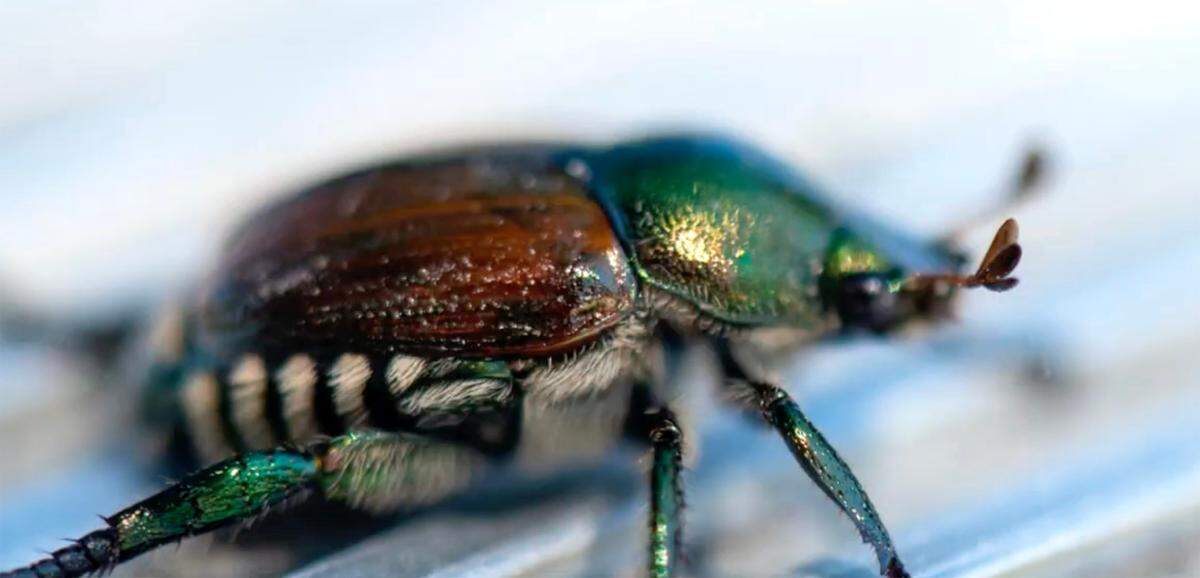
“Feeding damage can completely defoliate plants, causing trees and shrubs to look like they’re nearly dead,” Clemson Cooperative Extension states.
Infestation control
- Clemson notes that options are unfortunately limited in regards to Japanese beetle control.
- If populations are low or you don’t have many susceptible plants, pick off the adults by hand between one and two times a day.
- In some cases, a mesh layer can be used as a physical barrier, but if you have plants like fruit trees that need pollination, the mesh will also prevent pollinators from reaching them.
- Insecticides are the most effective way to control Japanese beetles and various types will work, such as formulations containing imidacloprid and dinotefuran.
Emerald Ash Borer
Since this pest was first identified in the U.S. in 2002, it has been responsible for the destruction of millions of ash trees in 30 states, according to the U.S. Department of Agriculture. It likely came from its home in Asia in wood packing materials.
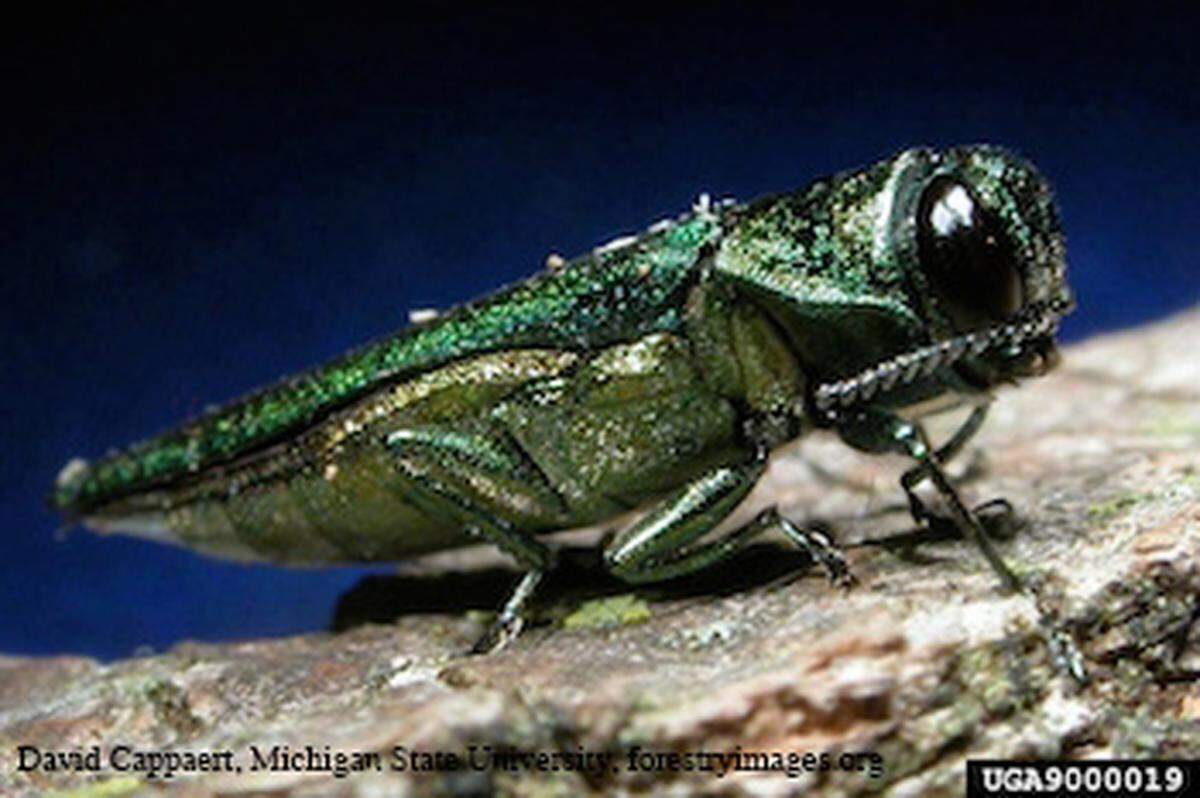
The small, metallic-green insect was found in South Carolina in August 2017 and is now in multiple counties.
Infestation control
- There are several insecticides effective in controlling these insects. Residents with high-value trees should consider applying insecticide before they are infested.
- Insecticides including dinotefuran, emamectin benzoate, azadirachtin, and imidacloprid, can be applied in different ways, including at the base of the tree, as a trunk spray or trunk injection.
- Heavily infested trees likely cannot be saved and will need to be removed.
Kudzu Bug
The kudzu bug is a relatively recent South Carolina invader, being first detected in 2009. It is native to Asia and was likely introduced to the U.S. through imported goods. The kudzu bug is about 1.4 inches long and appears almost square-shaped with an olive-green hue, Clemson Cooperative Extension states.
Like its name suggests, the insect does feed on kudzu, another invasive species in the state. However, the insect also feeds on soybeans and other crops. The insect can also be a problem in and around structures. Their body secretions produce a foul odor and can stain fabrics and wall coverings. And directly handling them can cause staining of the skin and even blistering for some people.
Infestation control
- Cutting back nearby kudzu patches before the fall should help reduce kudzu bugs around your home when they start looking for sheltered locations for the winter.
- Seal as many cracks as possible on structures to prevent kudzu bugs from entering.
- Large numbers of kudzu bugs found in a structure should be vacuumed, not sprayed. Also, avoid crushing them to keep their secretions from staining fabrics and wall coverings.
- Most insecticides will kill kudzu bugs. If you are spraying vegetation, make sure to use a product that is labeled for treating plants.
Formosan Subterranean Termite
The formosan termite was first detected in South Carolina in the 1950s and has spread to other parts of the state in recent years. Formosan termites can be particularly destructive, given that their colonies tend to be larger than native species. They eat cellulose in wood, which is why they can cause such havoc in homes and other structures, Clemson Cooperative Extension states.
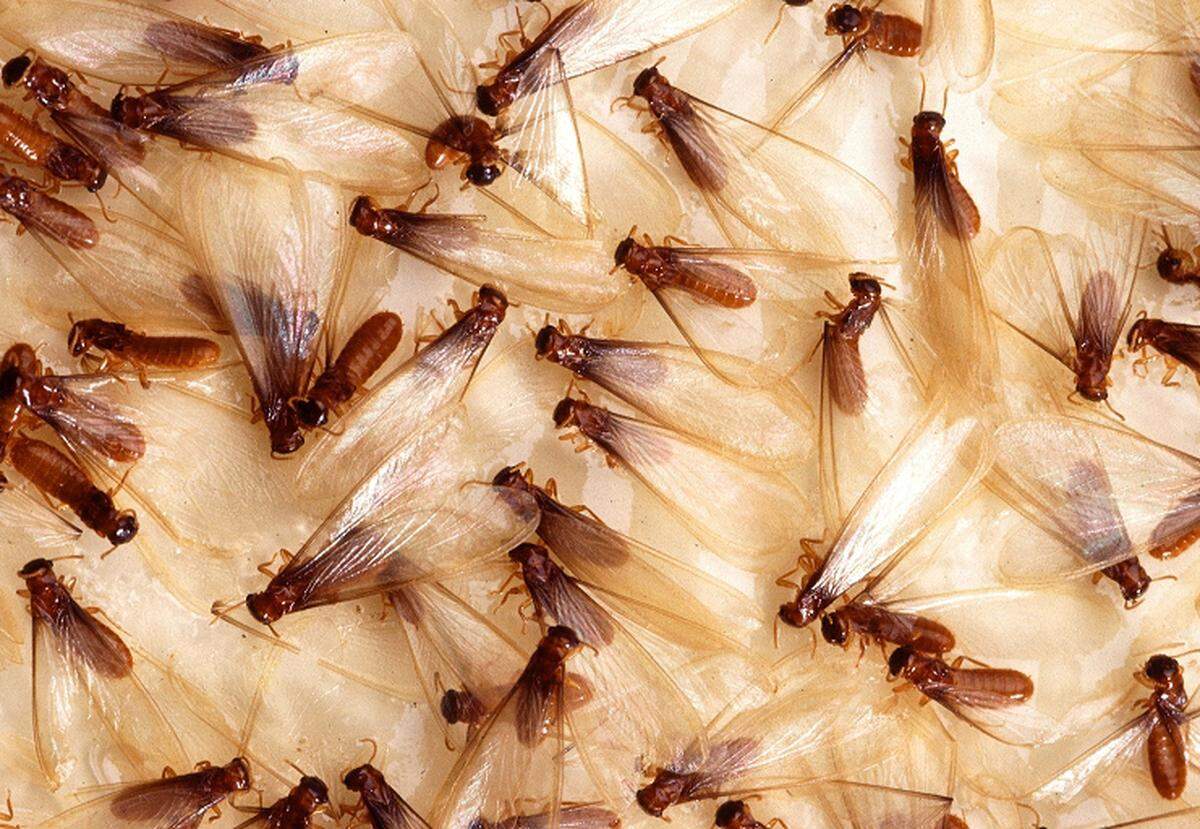
Formosan termites have three distinct forms, according to orkin.com, including the wingless or winged reproductive alates, the protector soldiers and the workers. The head of a Formosan soldier is oblong, whereas native subterranean species have rectangular heads.
The alates or swarmers are yellow-ish brown and are about half an inch long.
Infestation control
- If you suspect a Formosan termite infestation, you should contact a licensed pest professional about control and treatment.
- Homeowners should consider scheduling annual termite inspections, or at least every three to five years.
- Eliminate sources of moisture — reduce humidity in crawl spaces, attics and basements. Divert water away from the home’s foundation to prevent Formosan access.
- Store firewood at least 20 feet away from your home.
- Maintain a 1-inch gap between soil and wood portions of your home.
This story was originally published May 3, 2025 at 6:00 AM.