
Cows are making this huge SC forest healthier for wildlife. Here’s where, how it works
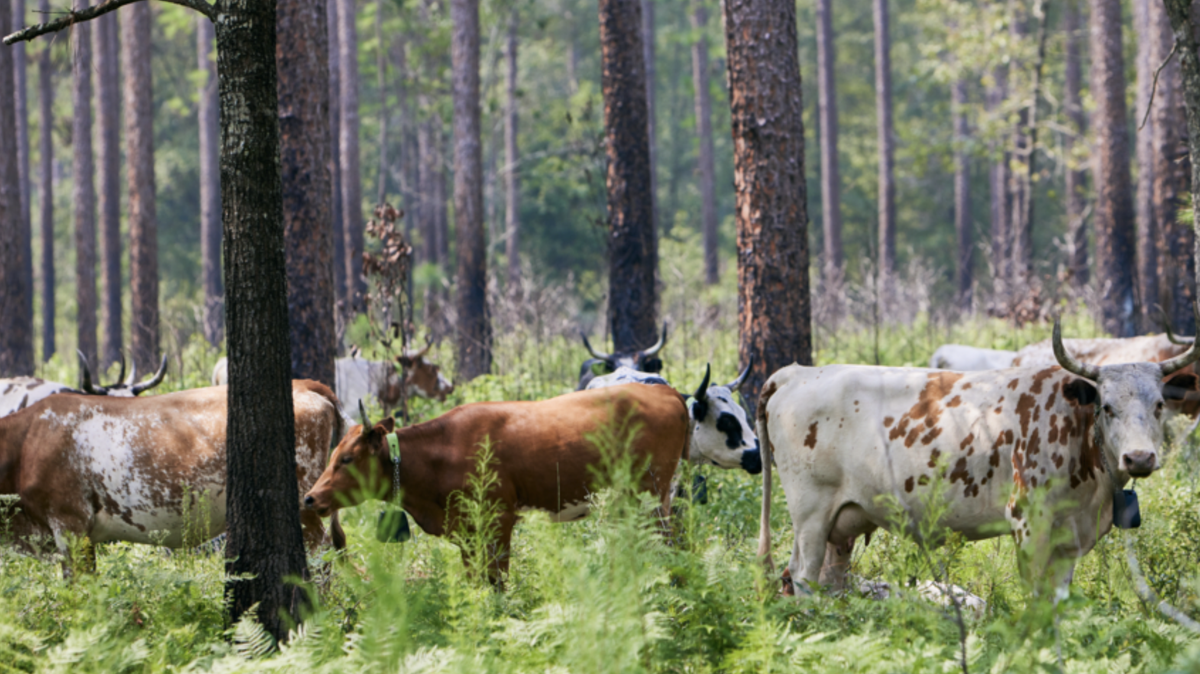
Some years ago, a manager at the 14,400-acre Brosnan Forest started thinking there had to be something better than controlled burns to keep the forest floor healthy.
He hit upon something that at first glance may seem a bit unusual — cows.
Pineywoods cattle to be exact, which came to Florida in the 1500s from Spain.
Norfolk Southern, which owns the forestland about an hour northwest of Charleston, bought 30 from a farmer in Georgia in 2023. Now there are 240.
“It’s a win-win solution,” said Josh Raglin, Norfolk Southern’s chief sustainability officer.
The cattle are self-sufficient, controlled burns are less frequent and the steers can be sold for meat. Also, the cattle fertilize the land, um, naturally.
All it takes is moving them around the property with a bale of hay and a four-wheeler, Raglin said.
Brosnan Forest is one of the country’s largest longleaf pine ecosystems and the largest U.S. population of endangered red-cockaded woodpeckers on private land, Norfolk Southern says on its website.
U.S. Highway 178 and the Norfolk Southern train tracks split the property in half. The expanse includes multiple ponds with largemouth bass, stripers and bream. The company sponsors fishing tournaments and conferences, hosting about 6,000 guests a year.
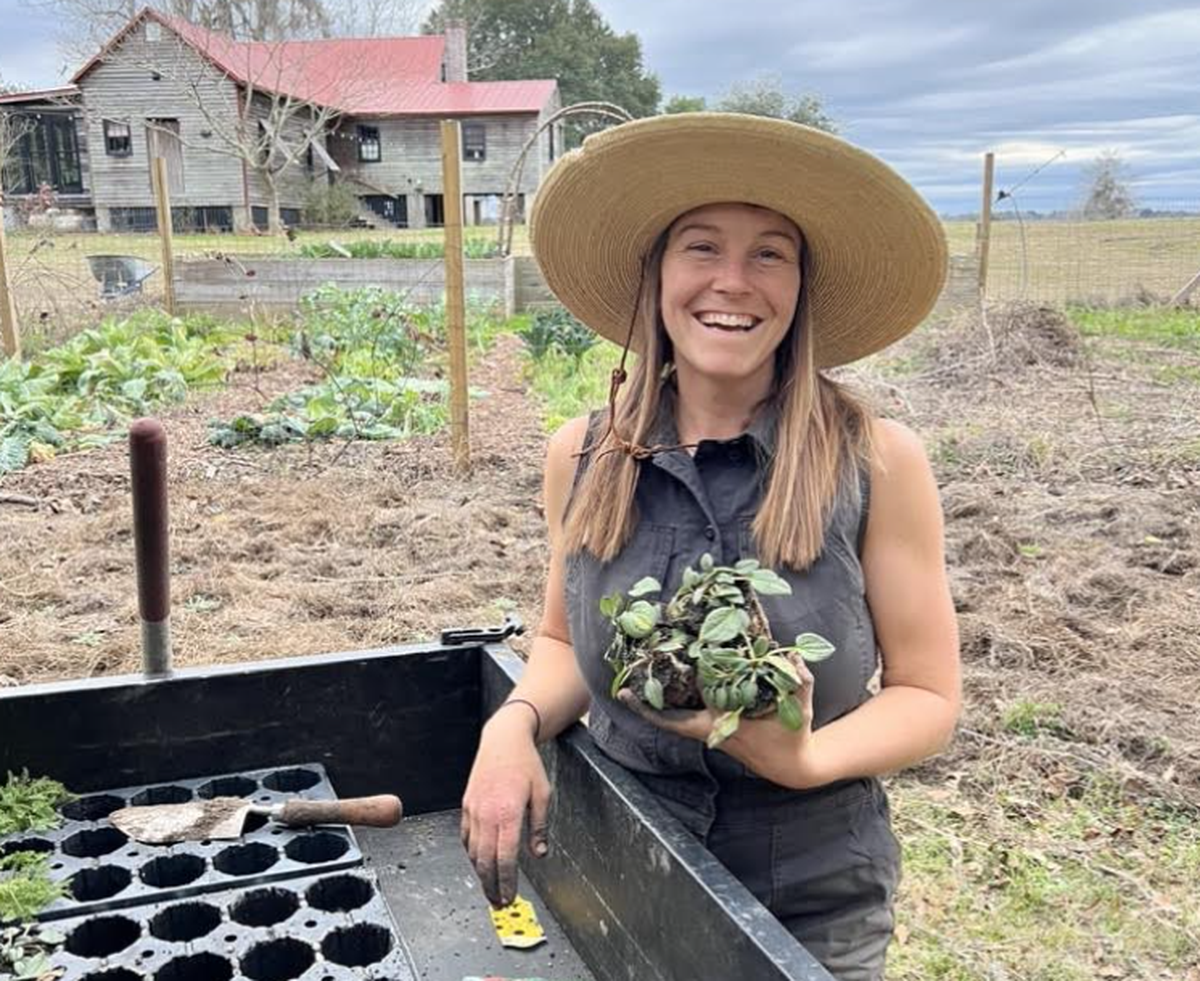
Lucie Rieflin is among the visitors invited to the private preserve. She was so impressed she hopes to one day enact something similar on her family’s 1,000 acres of protected land in the ACE Basin southwest of Charleston.
Her grandfather bought the land in the 1990s and soon after placed a conservation easement on it. She grew up in Charleston, one of four children of Dr. John Kulze, an eye doctor, and Dr. Ann Kulze, a general practitioner turned nutrition and wellness expert. But every weekend the family headed to the ACE Basin.
After a decade of working for several sustainable agriculture operations across the Southeast, she and her husband, Alex, a graphic designer, moved to the property full-time.
The land will go to her grandfather’s seven children and then to the third generation, most of whom like Rieflin are in their 20s and 30s.
Rieflin’s hope of using the lessons of Brosnan Forest will be put off for some time. She closed her wreath-making business and will soon give birth to her first child.
This story was originally published June 12, 2025 at 6:00 AM.