The longest day of the year for SC will be here soon. Here’s when and how much daylight you’ll get
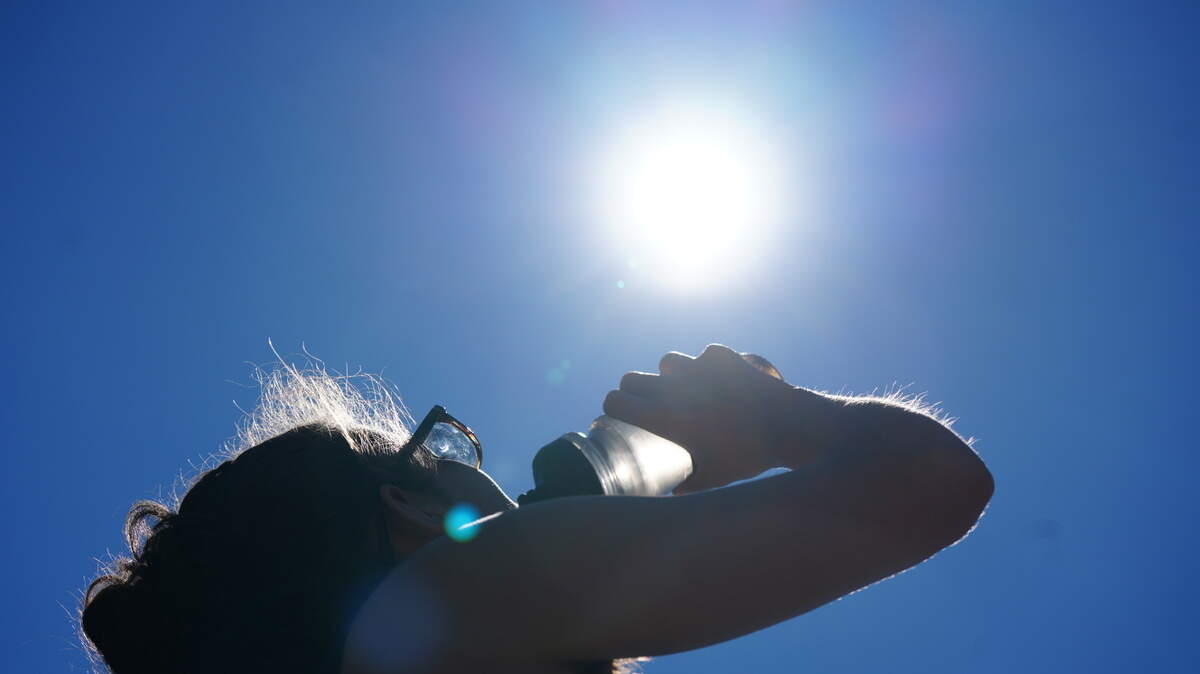
Yes, it’s been blazing hot in South Carolina lately, but did you know it’s still not technically summer yet?
For many, Memorial Day or the last day of school means summer has arrived. It certainly feels that way outside. And meteorologically, summer began June 1.
However, the astronomical start of summer for the Northern Hemisphere begins on the summer solstice. According to the Farmer’s Almanac, the summer solstice occurs when the sun travels along its northernmost path in the sky.
The summer solstice is on Friday, June 20 this year.
But the solstice is about more than just the start of summer. It’s also the single longest day of the year — or in other words, it’s the day with the most sunlight.
“On the solstice, the sun is at its highest point in the sky, and it takes longer for it to rise and set,” Farmer’s Almanac states.
So, how long will the summer solstice last in South Carolina? Well, it depends on where you live.
Below is a list of daylight length in major South Carolina cities on the summer solstice, according to timeanddate.com. To look up daylight length for your hometown or any other place, click here.
Summer solstice length for SC cities
- Columbia: 14 hours, 25 minutes and 16 seconds
- Myrtle Beach: 14 hours, 23 minutes and 34 seconds
- Greenville: 14 hours, 29 minutes and 55 seconds
- Charleston: 14 hours, 18 minutes and 48 seconds
- Hilton Head: 14 hours, 15 minutes and 50 seconds
- Spartanburg: 14 hours, 30 minutes and 28 seconds
Facts about summer solstice
- The summer solstice in the Northern Hemisphere happens when the sun reaches its highest and northernmost points in the sky. In contrast, the June solstice in the Southern Hemisphere is when the sun is at its lowest point, marking the start of winter.
- The summer solstice doesn’t fall on the same day every year in the Northern Hemisphere — it ranges between June 20 and June 22. The timing is not based on a specific calendar date or time. It depends on when the sun reaches its northernmost point from the celestial equator.
- Solstice comes from the Latin words sol (sun) and sistere (to stand still).
- After the summer solstice, days will begin to shorten again until reaching the winter solstice, which is the shortest day of the year.