
SC is about to lose an hour of sleep. Here’s when daylight savings starts in 2026
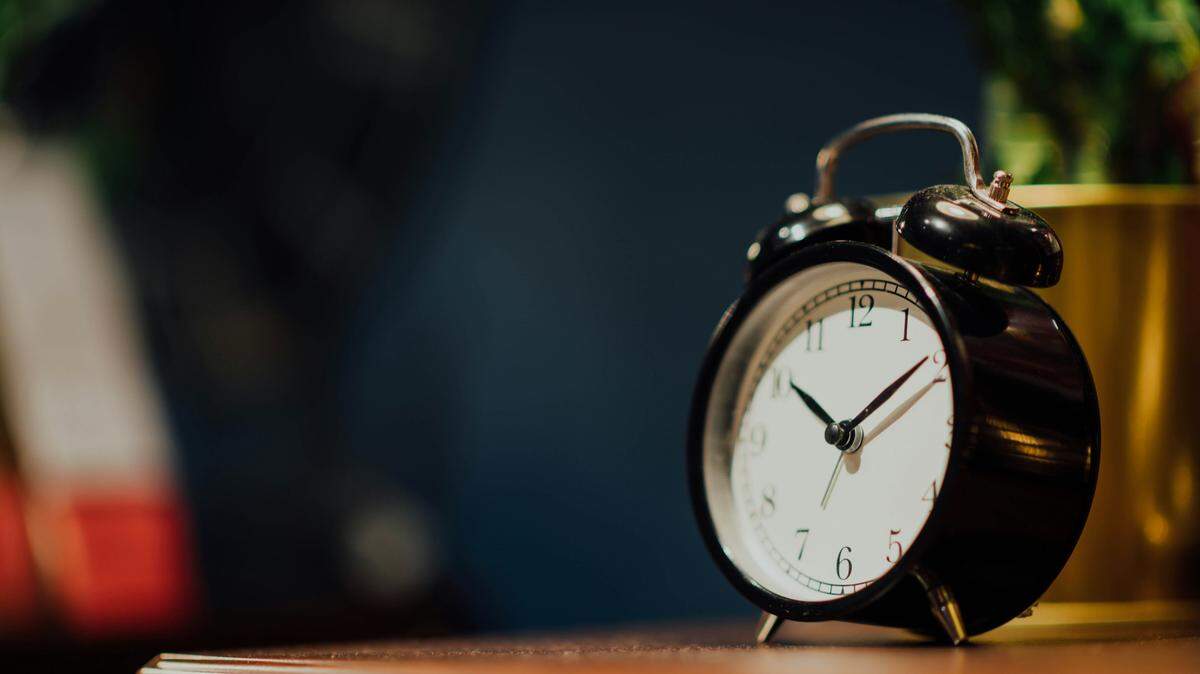
It’s about that time of the year again.
The yearly tradition of moving your clock forward by an hour, known as daylight saving time, is less than a month away. All states, except Hawaii and Arizona, observe daylight saving time. This year, it lands on Sunday, March 8 and ends on Sunday, Nov. 1.
Why do we have daylight savings?
Daylights saving time originally started over 100 years ago in 1918, as an effort to conserve fuel and energy during WW1. Adding an hour gave workers more time to work while the sun was still out, burning less fuel.
The Standard Time Act of 1918 established the time change and the nation’s official time zones.
When WW1 ended, daylight saving time ended with it. It was reenacted in 1942 for WW2 and was repealed again in 1945.
In 1966, under the Uniform Time Act, daylight saving time was once again established. The most recent change to daylight saving time was in 2005, under the Energy Policy Act, which extended the change for a few more weeks. Since then, daylight saving time starts on the second Sunday of March and ends on the first Sunday in Nov.
Has South Carolina tried to end daylight savings?
South Carolina is one of 19 states that have passed laws or resolutions to make daylight saving time permanent. Making daylight saving time permanent means that there would be no more time changes, and the winter months wouldn’t be so dark early in the night.
Changes to federal law by Congress have to be made before this can go into effect, however.
Is daylight savings worth keeping?
While you might enjoy another hour with the sun out, there have been several studies that show daylight saving time does little to actually conserve energy.
According to USAFacts, a nonprofit data portal, there was a 1974 Department of Transportation study that showed no difference in energy consumption, crime, travel times or trade during daylight saving time.
In 2008, the Department of Energy released a study that showed energy use only dropped by 0.02% during daylight saving time. Sleep loss and potential negative health effects were found in other studies, according to a Congressional Research Service report.
Despite this, it doesn’t seem that daylight savings will end anytime soon.