
Daylight savings is almost here in SC and it can make you sick. Here’s how to prepare yourself
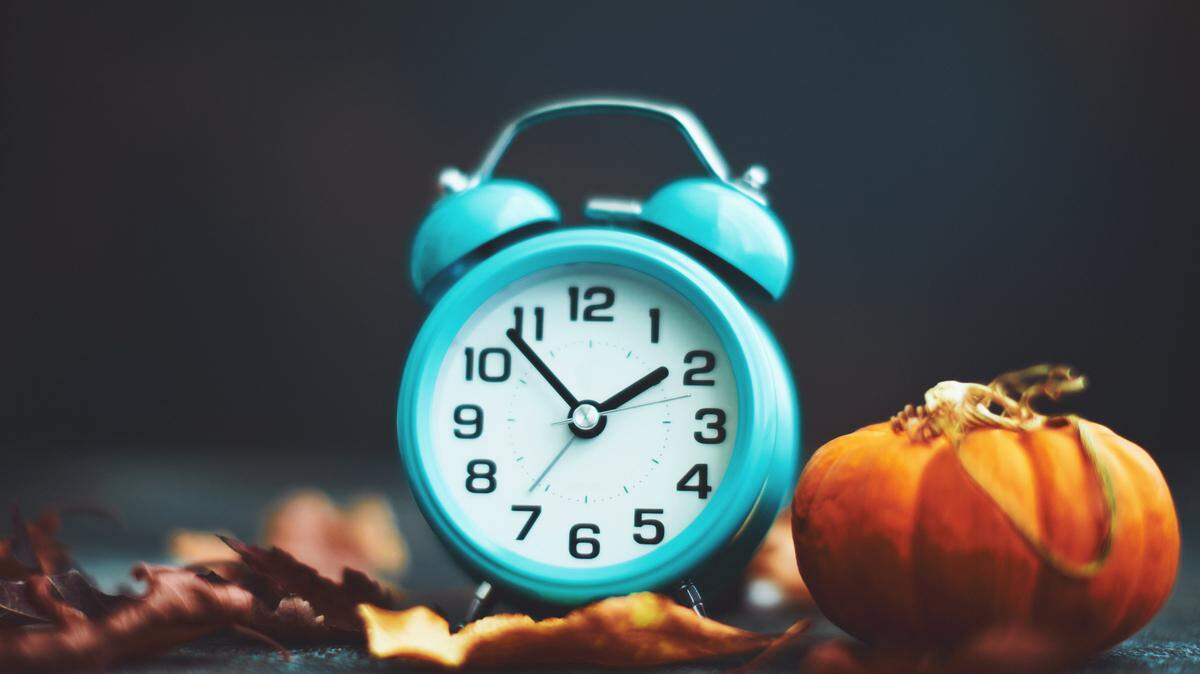
Daylight saving time is right around the corner, meaning longer days and more sunshine are in the forecast. After recent cold spells and many early nights, the annual time change is sounding pretty appealing.
However, it’s not all sunshine and rainbows. Losing an hour of sleep on Sunday, March 8 can have a major impact on your body and cause significant side effects.
So when the time comes to move your alarm clock forward, it’s important to prepare for the worst.
Doctors explains DST and the human body
The U.S. is in the minority when it comes to having daylight saving time, as most countries follow standard time year-round. But following standard time all year is probably for the best, according to Northwestern Medicine.
“Science has evolved over the last decade to show the transition between standard time and DST is associated with bad health consequences,” according to a statement from Dr. Phyllis C. Zee, a sleep medicine specialist and chief of Sleep Medicine in the Department of Neurology at Northwestern Medicine.
Dr. Zee said that losing one hour of sleep can seem harmless, but it can actually wreak havoc on the body, since sleep health relies on the balance of two processes, which are:
- Sleep Homeostasis: the desire to sleep that builds from the moment you wake up
- Circadian rhythm: your body’s natural clock. It controls your sleep-wake cycle over 24 hours, which regulates the time you wake up and sleep
They’re both primarily controlled by light exposure, so when daylight saving time occurs, both of these get out of sync. As a result, we lose an average of 40 minutes of sleep per day, and this accumulates over several days.
As many of you know, a lack of sleep can affect many aspects of our lives.
The impact of losing sleep
The problems a lack of sleep can bring are no joke. The transition to daylight saving time can create short-term health problems, such as sleep issues, fatigue and changes in blood pressure. Possible long-term effects of DTS are the following:
- Depression
- Slowed metabolism
- Weight gain
- Cluster headaches
Daylight saving time has also been linked to increased risk of developing certain disorders, from cognitive and mental health issues to digestive and heart diseases. If you already have these conditions, DST can make them worse.
The week after DTS, research shows an associated rise in:
- Cardiovascular disease, with a higher risk of heart attacks
- Injuries, including a spike in fatal car accidents
- Stroke rate
- Mental health and cognitive issues
- Digestive and immune-related diseases, such as colitis
How do you protect yourself?
Leading up to DST, you can protect yourself from these potential side effects by:
- Going to bed one hour earlier than normal. This is especially beneficial for parents with young children
- Getting outside in the morning. More natural light can help preserve your circadian rhythm
- Avoid excessive amounts of caffeine, alcohol and screen time before bedtime
- Exercising in the morning. Activity boosts wakefulness and helps reset your internal clock