
Are those ‘We Buy Houses’ businesses around SC regulated — or worth it? Here’s what we found
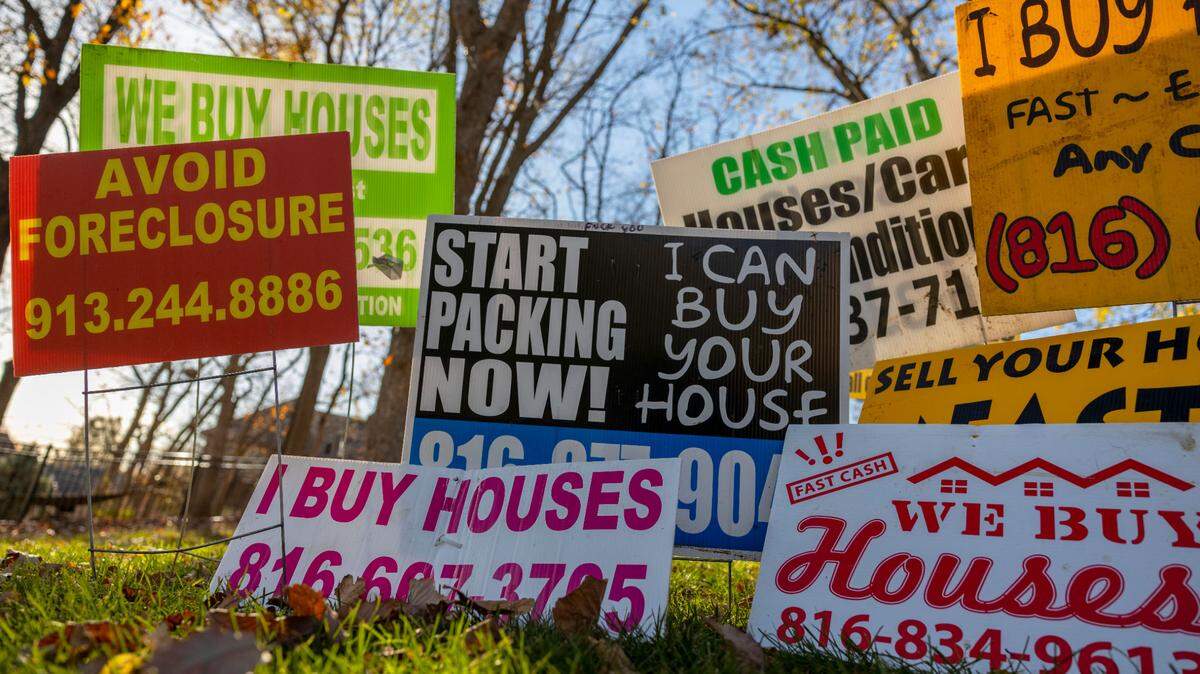
Posted around the Midlands are “We Buy Houses” signs offering quick cash for houses, regardless of their condition.
Various companies staple the signs to utility poles and stick them in the ground at busy intersections, making promises that sound too good to be true. And in many instances, they are, say S.C. critics of the real estate wholesaling business.
Home sellers may call the phone number listed on the signs, believing they’re contacting a seller who wants to purchase and renovate their home. But often, they end up entering into a contract with a wholesaler. In these deals, the wholesalers never take ownership of the home.
“And it’s not always in the consumers’ best interest,” said Nick Kremydas, the CEO of South Carolina Realtors, the largest real estate association in the state.
The marketing methods employed by some wholesaling companies have drawn criticism in national media reports.
“Oftentimes, property owners who enter into these wholesale agreements do so because they’re facing a catastrophic life event, like a foreclosure, divorce or a death in the family,” said Leslie Peters, a closing attorney at Boger & Peters, LLC in Columbia, who will not handle such transactions.
In 2024, SC lawmakers passed a law that significantly restricted real estate wholesaling, classifying many of its core activities as licensed brokerage work and limiting how the practice can be carried out.
Still, some companies are finding ways around the law. For example, prospective buyers can still transfer their contracts to another person.
Andrew Lucas, co-owner of Columbia Cash Home Buyers, a Columbia-based company that purchases homes in any condition for cash, said he briefly explored wholesaling before returning to his original business model of buying, renovating, then selling or renting properties. The 2024 law change took wholesaling off the table.
He said many of the companies behind the “We Buy Houses” signs operate only briefly before disappearing.
“After being in business for three months, that person will get tired of their signs getting taken down by the city and the county, and they’ll probably stop operating,” Lucas said.
Lucas said he knows of wholesalers who left South Carolina because it was too difficult to operate under the new law.
From his perspective, the regulations are reducing competition – and hurting sellers.
“The real losers are the property owners,” Lucas said. “It’s supply and demand. Fewer people are going after your house, which means your house’s price is going to go down, so you’ll get less now than when there was a lot more competition.”
This story was produced in collaboration with SC Investigates, a nonprofit newsroom that partners with South Carolina journalists to produce accountability reporting.