
SC gardening season is finally here. For the most success, try these extension agents’ tips
Spring officially began March 20, and the time to plant flower and vegetable gardens draws near.
The Clemson Home and Garden Center says some parts of western South Carolina may be waiting until early May for the threat of frost to pass. Other areas may be much sooner.
But the prep time is here. And this weekend should be ideal with sunny skies and temperatures in the low 70s in the Midlands.
“Wait until daytime temperatures are consistently 50°F or higher before disturbing soil and dormant plant matter,” the center said.
First you need to clean up beds. Pull weeds and cut back dead plant material. Then, loosen the soil.
Use a broad fork to loosen heavily compacted dirt to help improve drainage. Add Organic Matter such as composts, plant residues, and worm castings.This helps with soil structure, water retention and drainage and provides nutrients for microorganisms.
The organic matter should be 2- to 3-inches deep.
Mulch garden beds and paths between rows.
Garden planning
Here are some suggestions for garden planning from Clemson’s Jennifer Weaver for the Midlands.
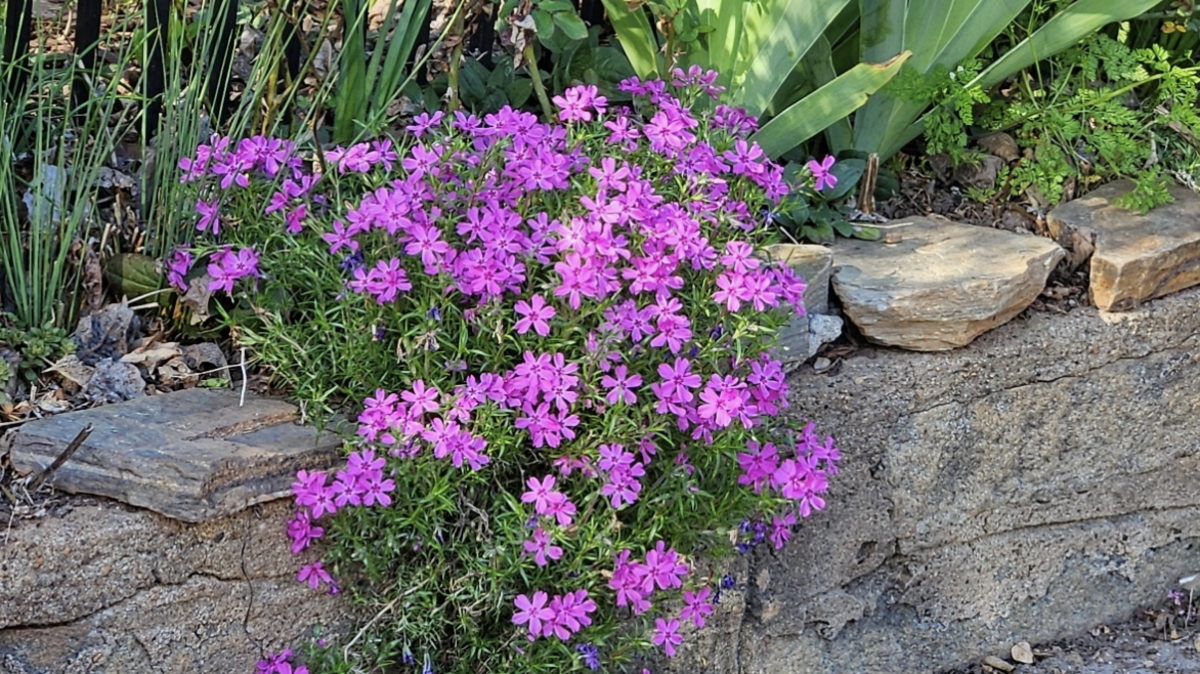
Early spring bloomers add interest such as moss phlox and rusty Blackhaw viburnum.
Consider edibles such as rosemary and native fruiting species such as elderberry, serviceberry, pawpaw or the non-native fig tree.
Wait until your lawn is fully greened up and actively growing before fertilizing. Make sure you fertilize according to soil test results to better guide the fertilizer needs of your lawn.
“Weeds in lawns are a good indicator that your lawn is struggling,” Weaver said. “Poor maintenance practices such as improper mowing, watering or fertilization can weaken your lawn and make it more prone to weed invasion. Work on improving the health/vigor of your lawn instead of relying on herbicides.”
In the Upstate, drought is the prevailing word, Clemson’s Ginger Long said.
“The months of November, December, January, and February had below-average rainfall,” she said. “The Seasonal Drought Outlook from the National Weather Service predicts the drought will persist through April.”
That means water tall fescue lawns an inch per week. It’s too late to fertilize fescue lawns.
Post-emergent weed killers may be applied before warm-season lawns start to green up. If lawns have already started growing, it is not advisable to apply most post-emergent products until the lawn has fully greened up in May.
In your vegetable garden, transplant broccoli, cabbage, chard, and kale into the garden starting mid-March. Cool-season vegetable seeds such as lettuce, radishes, carrots, peas, parsley, beets, and spinach can be sown.
Wait to transplant tomatoes and peppers after the last frost date in mid-to-late April.
In your flower garden, divide black-eyed Susans, daylilies, hostas, mums in March. Some annuals like sweet alyssum, Johnny jump-ups and snapdragons can be transplanted.
Prune summer-flowering shrubs such as Limelight hydrangeas (Hydrangea paniculata ‘Limelight’), butterfly bush (Buddleia sp.), rose of Sharon (Hibiscus syriacus) and beautyberry (Callicarpa americana) in early March for blooms this summer.
Prune repeat-blooming roses like knock out in early spring, hybrid teas, and shrub roses.
“Do not prune old-fashioned roses and climbers until after they bloom,” she said.
Fertilize established spring-blooming bulbs like daffodils, hyacinths, crocus, etc., with a bulb fertilizer.
What not to do
Here are some suggestions on what not to do from extension agents:
- Don’t plant too early.
- Don’t ignore your soil. Have it checked by extension agents.
- Don’t choose the wrong location. Sunlight is the biggest issue, both too much and too little. Make sure you know what the plant needs.
- Don’t water too much or too little. Spring is tough because of the weather swings but check to see how moist the soil is and if its dry a couple of inches into the soil water deeply to help the roots.