
Pollen in SC will likely get worse before it gets better. Here’s what’s happening
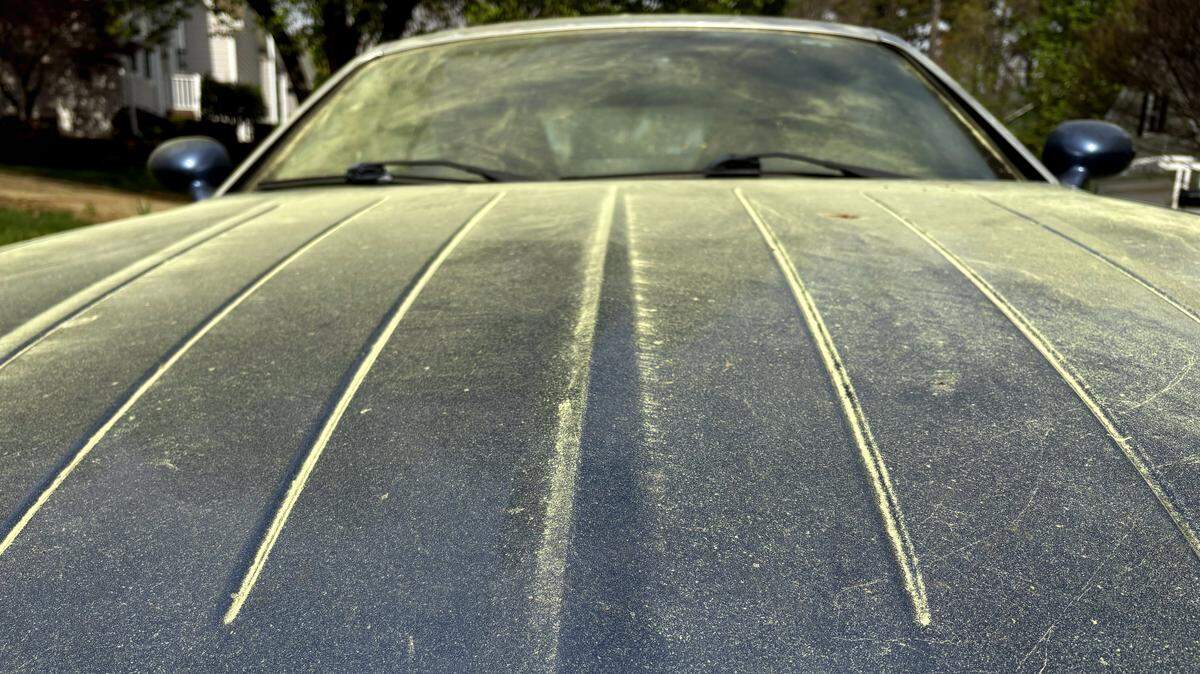
If you look up pollen counts for South Carolina on weather.com you see very high. Next day very high. Day after very high.
That’s for trees.
Grass is better. It’s just high.
There was so much pollen in the atmosphere on Monday that it showed up as a “solid sheet” on the National Weather Service’s radar, Nick Petro, warning coordination meteorologist with the NSW Raleigh office, told The Raleigh News and Observer.
It truly is pollen season. Just look at your car.
Clemson’s Home and Garden Center says most of the yellow-green stuff you see on not just cars but also mailboxes, outdoor furniture, walkways, let’s just say everywhere that does move — is from pine trees.
“Pine trees produce copious amounts of pollen because they rely on the wind to deliver the pollen to the female cones,” the center said. “Since acquiring the target is largely left up to chance, the odds of success improve by employing sheer volume.”
Enter spring allergies — Greenville has the 10th worst in the country — but it’s not pine trees only causing those itchy eyes and runny noses.
Birch, oak, elm, and juniper also cause allergies.
Stephanie Ann Turner, Clemson’s Horticulture Extension Agent in Greenwood County, explained the pine tree air travel like this.
“The pine pollen grain has two special air-filled bladders that help it achieve flight. Peeking at the grains through the microscope, they look a bit like tiny Mickey Mouse heads, with the two rounded bladders positioned like ears on the pollen grain.”
When will it end? End of April if we’re lucky. And it may get worse before it gets better.
The Asthma and Allergy Foundation of America said pollen seasons are getting longer and more intense.
The reason, they say, is climate change, “warmer temperatures mean plants start growing sooner and they produce more highly allergenic pollen.”
Here’s what weather.com recommends.
- Shower after being outdoors and change your clothes.
- Learn when conditions such as the wind increase pollen levels, so you can prepare.
- Minimize indoor pollen by keeping your windows shut and use your AC or a HEPA purifier to filter allergens.
- Use medications and nasal sprays as recommended by your doctor.