
The most venomous spiders in SC are becoming more active. Here’s what to know about them
Spiders are essential little creatures for Earth’s ecosystem, but they have a bad reputation due to their annoying habit of biting people.
As summer approaches and the days start heating up, the eight-legged insects will start crawling around more in South Carolina.
It’s important to note that most spiders aren’t actually dangerous to humans, and even the most dangerous species rarely cause serious harm. Even so, accidentally provoking a venomous spider can land you in the emergency room.
Here are the four venomous spiders in SC you should watch out for:
The 4 venomous spiders in SC
Southern Black Widow
Black Widows are one of the most well-known and feared spiders in the nation, and there are dozens of recognized species worldwide. This southern variant is even more dangerous and has a higher concentration of venom than a rattlesnake.
Found throughout South Carolina, the southern black widow can be identified by its shiny, black and bulging body with a red hourglass marking on the underside of its abdomen, according to WorldAtlas. Females are glossier and shinier, and males have a brown or grayish hue.
They can be found underneath wood piles, stones, crawlspaces and in other dark, protected areas near buildings.
Both the male and female are venomous, but the female’s venom is toxic, containing a potent neurotoxin called latrotoxin. The male’s venom is weaker and not as abundant.
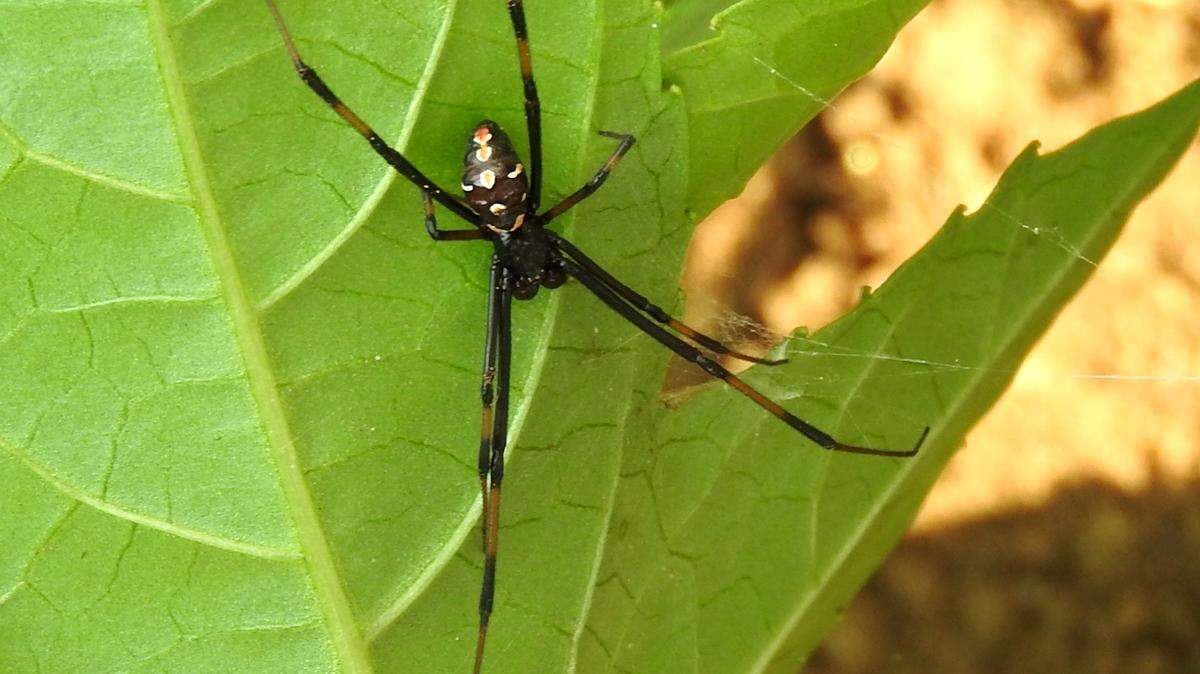
Northern Black Widow
The northern variant of a Black Widow is mostly found in SC’s mountains and Piedmont region. It resembles the southern black widow, but instead of an hourglass figure on its abdomen, two red spots are present.
The female is still more venomous than the male and is also larger, measuring about 1.5 inches. Like most spiders, they hide in dark, protected areas, such as garages, basements and barns. They can also be found inside your house under unused blankets, clothing and in shoes.
The last recorded death from a black widow bite in the U.S. was in 1983, and while their venom can be fatal, most bites don’t require intense medical care. If you get bitten by a black widow, you will immediately notice minor swelling and redness. After around 15 minutes to an hour, a dull, muscular pain may spread from the bite area to the rest of the body. Individuals bitten may feel anxiety, trouble breathing, nausea, numbness, restlessness and other symptoms.
Call the National Poison Control Center at 1-800-222-1222 if you believe you’ve been bitten by a black widow. For severe symptoms, children, or elderly victims, call 911 or go to the emergency room immediately.
Brown Widow
Brown widows tend to be found in SC’s southern tropical and coastal areas. These spiders are gray or brown and have black and white markings on the top side of their bulging abdomens.
Female brown widows are tan or brown with a yellow or orange hourglass marking on the abdomen. Male brown widows have a lighter color and have a fainter hourglass marking. The legs of the brown widow also have dark bands.
Brown widows lurk in urban areas under the edges of roofs, porch railings, unused flowerpots, wood piles and in abandoned cars. The female’s venom is more potent than the male’s, but is less dangerous than a black widow’s venom. Females are half an inch long are also bigger than males.
Brown widows are even less aggressive than black widows, and 15% of their bites contain no venom. You may feel a bit of pain and see a red spot if you get bitten. Only a few brown widow spider bites have been severe, with symptoms including muscle pain and weakness, fever, nausea and enlarged lymph nodes.
Most bites can be treated just by washing the affected area with soap and water, but if severe symptoms emerge, seek emergency help.
Brown Recluse
The brown recluse is the only venomous spider in SC that isn’t in the black widow family. They are a smaller spider that is light brown to yellow and has three pairs of eyes. While they’re rare in SC, they can be found in the northeastern part of the Palmetto State.
During the day, the brown recluse likes to rest in closets, boxes, under furniture, in attics under insulation and in ceiling light fixtures.
Both the female and male are venomous, and have the same amount of toxicity, but females are more aggressive and will bite more if provoked.
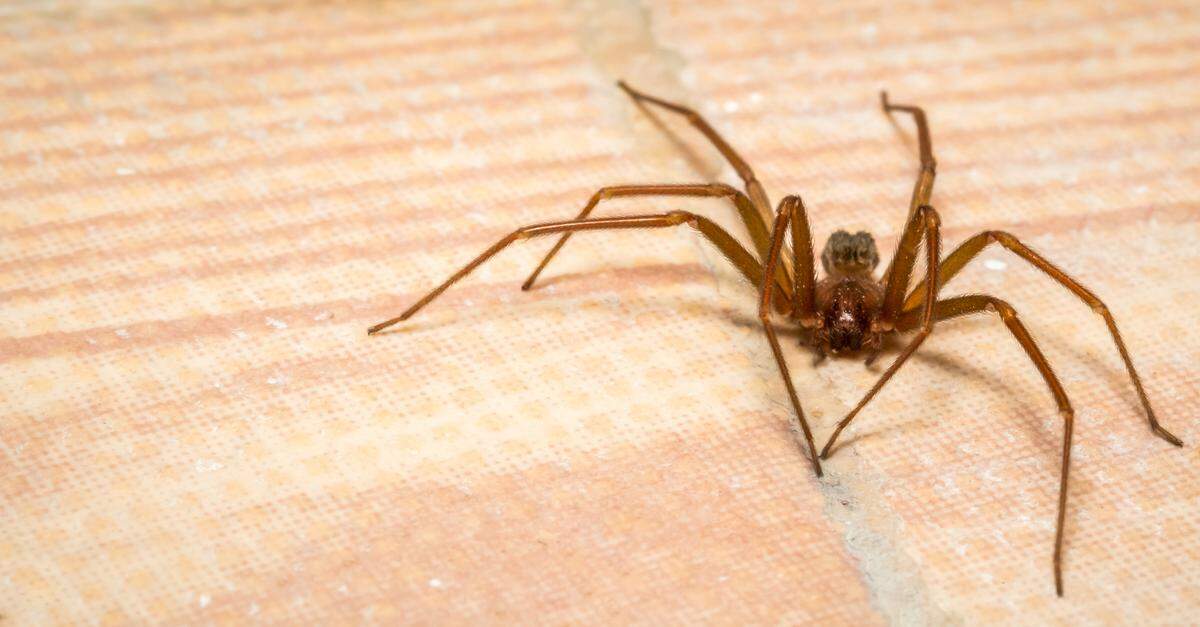
Brown recluse bites are rarely, if ever, fatal and will likely only cause mild discomfort. Within a few hours, a brown recluse spider bite will have a red area and a pale center, like a bullseye. Burning and itching may develop within two to eight hours of a bite.
Bites can be treated with soap and water, but if symptoms are severe, go to the emergency room immediately.
How to deter venomous spiders from your home
The best way to avoid an encounter with a venomous spider in your home is to regularly clean your house, according to Aiken Pest Control.
Additionally, on the outside of your home, make sure to seal crevices and homes that spiders could use to gain access. Also, check window screens and replace and repair any with holes. Be sure to check your foundation for any cracks that need to be sealed as well.