
Would you really need antivenin (antivenom) from SC snakebites? What to know
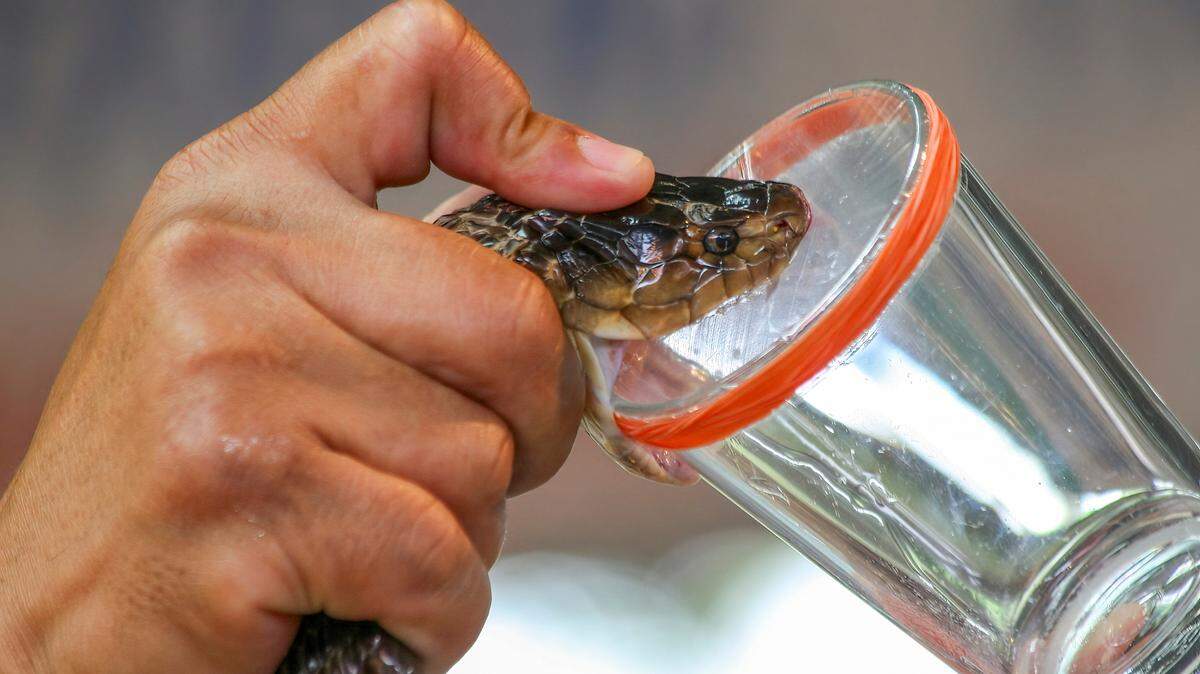
As summer approaches and the weather gets warmer, snakes become more active and are more likely to bite you.
In the U.S., emergency departments see over 9,000 non-fatal snakebite patients each year, and these bites can lead to other health complications, according to a 2025 scientific study.
There are 38 species of snakes in South Carolina, but six of them are venomous, including Coral snakes (the most venomous), Cottonmouth snakes, Pigmy rattlesnakes, Eastern Diamondback rattlesnakes, Timber rattlesnakes and Copperhead snakes (the most common).
While fatalities are extremely rare from a snakebite in the U.S., every encounter requires a trip to the hospital due to possible bacterial infection or severe allergic reactions. Each year, around five people in the U.S. die from a venomous bite, according to the Centers for Disease Control and Prevention.
You may have heard of antivenin, which is used to treat snakebites if they get too serious. But is it necessary if you get bitten by a venomous snake? Here’s what you should know:
What is snake antivenin?
If someone gets bitten by a venomous snake and faces a life-threatening emergency, the only proven and effective way to treat it is with antivenin, which boosts the immune response after a snakebite.
Different forms of antivenin have been around for more than 100 years. It stops snake venom from binding to the body’s tissues and causing blood, tissue or nervous system problems.
The use of antivenin depends on several factors, such as how much poison was injected and the type and size of the snake. Large snakes usually inject more venom than smaller snakes. The medicine doesn’t need to be used on dry bites, when the snake doesn’t release any venom in its bite.
Anything from a mild to severe venomous bite is usually treated with antivenin. Poison control centers will work with hospitals to provide the necessary amount of treatment.
First aid remedies you might think may help a snakebite victim probably won’t work and may even make things worse. Tourniquets, ice or cutting the wound and sucking out the venom will not prevent someone from going to the hospital. Antivenin is required to neutralize the toxicity and should be administered as soon as possible, within a couple of hours of the bite.
The number of vials a person may need depends on the severity of the bite, but it could range from only a couple of vials to dozens of vials. Because treatment differs between each person, SC hospitals, like Lexington Medical Center and Trident Health System, weren’t able to provide the cost of each vial.
How to avoid snakebites
Obviously, the easiest way to avoid a trip to the hospital and possibly spending thousands of dollars on snake antivenin is by avoiding snakebites. Here are some tips on how to do that:
- Avoid surprise encounters with snakes. They tend to be active in warm weather and at night, so stay away from tall grass, piles of leaves, rocks, and brush, and avoid climbing on rocks or piles of wood where a snake may be hiding
- Wear loose, long pants and high, thick leather or rubber boots when spending time in places where snakes may be hiding. Wear leather gloves when handling brush and debris
- Never handle a snake, even if you think it is dead or nonvenomous. Recently killed snakes may still bite by reflex
- If you are planning to spend time in a snake-prone area, it is best not to go alone in case you are bitten by a snake or have another emergency
If you or someone you know gets bitten by a snake, stay calm and call the national Poison Help number at 1 (800) 222-1222.