
These 7 SC state parks are infested with snakes. Here’s what to watch for if you visit one
Here’s World Atlas’ recommendation for trekking through some South Carolina’s state parks — stay aware and be respectful — because many of the wildlands are rife with snakes.
The 32-year-old website that specializes in geography and the environment has come up with a list of seven snake infested South Carolina state parks, including Sesquicentennial State Park in Columbia, the 1,419-acre park with a spot for dogs, a splash pad for kids, 12 miles of hiking trails and a 30-acre lake on Two Notch Road.
“From non-venomous species that silently control rodent populations to venomous snakes that require more caution, local wetlands, Atlantic tidal zones, forest preserves, and rocky mountain slopes all give these reptiles everything they need to thrive in this temperate part of the country.”
In other words, they’re in many of the state’s most popular parks,.
South Carolina Department of Parks Recreation and Tourism takes issue with the World Atlas article, which they say “was written without any outreach to us, and without the input of experts on our team.”
“South Carolina State Parks are home to abundant wildlife, but calling any of our parks “snake infested” is an unnecessary hyperbole that is likely to create unwarranted fear,” the agency spokesperson said in an email. “We encourage visitors to be respectful of nature, follow posted signage, and to remain aware of their surroundings, as they should in any natural setting.” She said the staff is “trained to safely manage wildlife encounters while protecting both visitors and South Carolina’s native species. “
World Atlas said the guide came about from finding where snakes are most frequently seen and to help folks appreciate “the role these animals play in maintaining the state’s rich and varied ecosystems.”
In addition to Sesquicentennial, the parks listed were Edisto Beach, Huntington Beach, Santee, Table Rock, Jones Gap and Croft.
World Atlas said the snake population at Edisto Beach State Park likes the array of wetlands, pristine forests, and sand dunes, attracting the venomous eastern cottonmouth and non-venomous corn snakes, and water snakes.
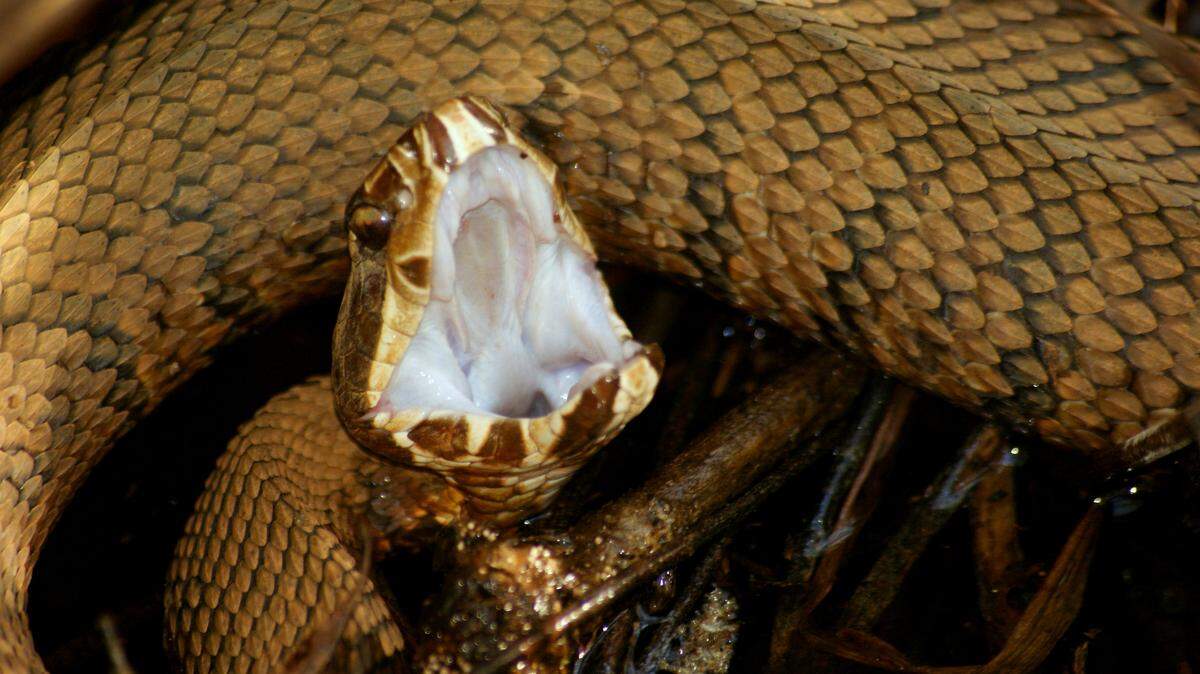
Cottonmouths, like most snakes, are not aggressive unless you step on them or harass them in some way. One way to know a cottonmouth is in the water with you is they swim with their full body on top of the water unless most snakes that just have their head out.
Cornsnakes have the dubious distinction of looking like copperheads so it’s important to know the difference. They are constrictors and won’t harm you. Water snakes, meanwhile, look like cottonmouths.
“Warm climes in this temperate region tend to draw snakes closer to trails and walkways where they can hunt small mammals, frogs, and fish in the open,” World Atlas said.
Huntington Beach State Park, about 20 miles south of Myrtle Beach, has marshes, tidal creeks, and maritime forests that are great habitats for many snake species, including water snakes, rat snakes, and the occasional copperhead.
“All visitors walking trails or exploring the beach and marsh edges may encounter these reptiles, often seen basking in the sun or hunting for prey,” World Atlas said.
Santee State Park on Lake Marion with its cypress-laden wetlands and freshwater shoreline has lots of snakes species, including water snakes, black racers, and eastern copperheads.
“The snakes here often stay near the lake’s edge or in shaded areas, particularly during the hottest months when they seek both warmth and prey like fish, frogs, and other aquatic critters,” World Atlas said. They’re most active at dawn and dusk.
Sesquicentennial State Park in Columbia records snake encounters almost every day, World Atlas said. That’s because “Sesqui” has some 800,000 visitors a year.
Woods, wetlands — snakes like them. They tend to hang around this near the water and wind their way through the leaf-covered forest and even use the trails and picnic areas. Most often seen are black racers, brown water snakes and copperheads.
In Upstate South Carolina, Table Rock State Park with its rocky terrain, forests, and streams are home to timber rattlesnakes, copperheads, and black rat snakes (not venomous).
They like to bask in the sun on rocks and forest clearings.
“Extra caution is smart when stepping over logs or navigating rocky overlooks, so keep your eyes peeled in this heavily wooded preserve,” World Atlas said.
Sixteen miles north of Table Road is Jones Gap State Park, which is part of the Mountain Bridge Wilderness Area. Hardwood forests and streams attract quite a few snakes, including copperheads, eastern garter snakes and black racers.
“Along the Middle Saluda River, or in rocky areas popular with backcountry campers, caution is ever more important, as professional help for snake bites may be harder to reach,” World Atlas said.
In Spartanburg County, Croft State Park has forest, fields, and shoreline around Lake Craig and Lake Edwin Johnson. It was once a World War II, a US Army basic training center and prisoner-of-war camp.
It has about 20 miles of equestrian and hiking trails and 2.5 miles of hiking only trails.
“Land and water-based snakes flourish,” World Atlas said.
You’re likely to see black racers, eastern kingsnakes, and cottonmouths.
“In an environment like this, these slithery creatures often choose to bask near the water or slip through tall grasses while searching for rodents and amphibians,” World Atlas said. “With that, outdoor activities such as horseback riding, hiking, and fishing can place you close to these reptiles, usually without you even being aware.”
Their advice: “watch your step and check the water before jumping in.”
This story was edited to include comments from South Carolina Department of Parks, Recreation and Tourism
This story was originally published June 5, 2026 at 6:00 AM.