
These SC critters are small, red & pack a mean itch. Here’s how to fight back if attacked
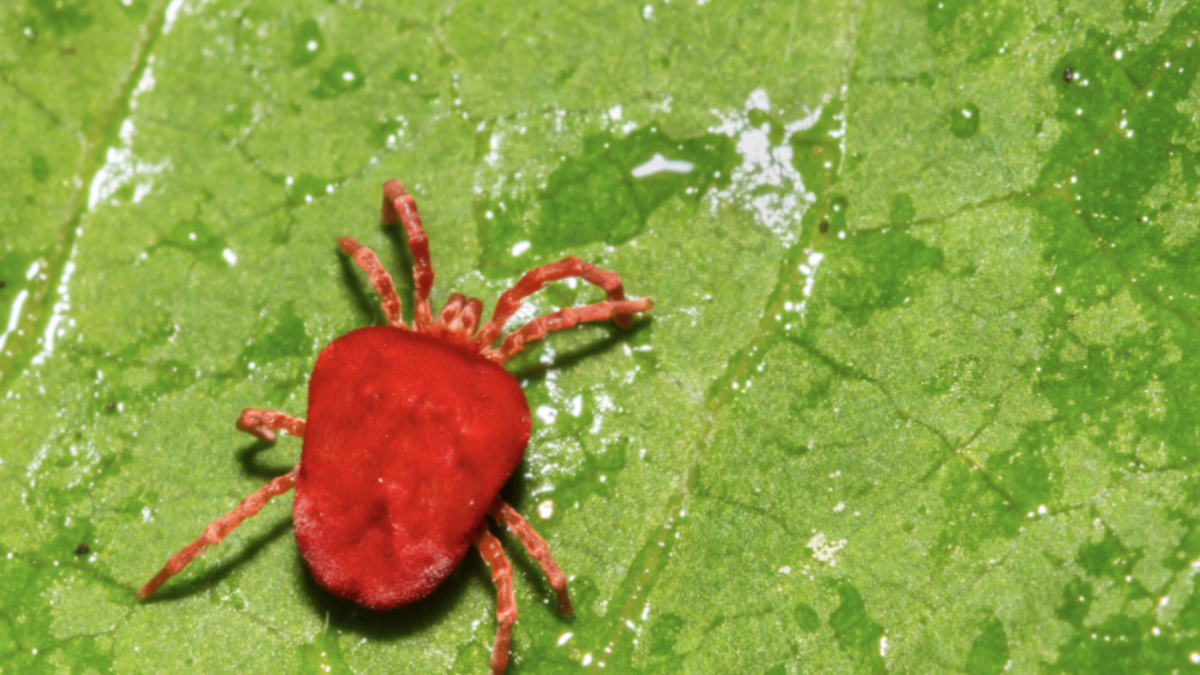
There are many good things that say Southern summer. And then there are chiggers, those hard-to-see little red things that leave behind a powerful itch.
They’re not insects but larvae that attach to your skin, excrete an enzyme and then drop off when they have had their fill. Their saliva is what causes the intense itching.
And this is prime chigger time. They live in fields and wooded areas near water. They are often found in the moss on Live Oaks.
Also known as redbugs, they are immature mites, more closely related to ticks and spiders, SC Naturalist says.
They’re not always red — sometimes orange, yellow or straw-colored.
“Adult female mites lay from one to five eggs per day in leaf litter, damp soil or overgrown weeds,” Clemson researchers said. “After five to seven days, the chiggers hatch. They crawl over vegetation until they find a shaded area near the top of an object that is close to the ground, like a fallen leaf or a blade of grass.”
Then they wait.
“They are attracted to the carbon dioxide exhaled by the host,” the researchers said.
Here’s the truly gross part. They crawl around on your body — or that of an animal — and then munch away. On people, they usually gather around tight clothing like belts or socks.
“They pierce skin around hair follicles and release skin-dissolving saliva. Chiggers then feed on the resulting liquid,” Clemson said. This is how they get sustenance to grow into nymphs.
They don’t get into your skin or feed on blood. It takes a few hours for the itching to start.
They stay about three days, drop off, bury themselves and then molt into a nymph then into an adult. Once they’re in those two stages they leave people alone.
Here’s what Clemson says you should do if you are attacked.
How to deal with chiggers
- Remove them by taking a bath.
- Apply an antiseptic.
- Even though this is easier said than done, don’t scratch the welts. It may result in leaving mouthparts behind.
- “Prevention is the best way to avoid chigger bites,” Clemson said.
- They recommend:
- Spray exposed skin with an insect repellent.
- Pay special attention to spots where chiggers can crawl onto the skin from clothing such as around socks, waistbands, cuffs and collars.
- Consider spraying clothing that will contact vegetation.
- Wash infested clothing in hot water. Cool water will not kill the chiggers.
- Wear long pants tucked into boots or socks and long-sleeved, tight, cuffed shirts.
- They can infest anything that lies on the ground, such as blankets or clothes.
- Remove brush and weeds.
- Yard treatments are usually not practical or recommended, Clemson said.
- Use repellents with DEET.
The good news from this saga is they are not known to transmit disease.
Naturalist Dennis Chastain wrote an essay about chiggers for the Greenville Journal. Chastain died last November but his words remain.
They came from his aunt Edna who rubbed him and his cousin down with witch hazel when they came in from playing.
“The effect was pure magic. The intense itching from our chigger bites was gone in a flash. I have been using that hack for 60 years and it has never failed me.”