
Rare bee species discovered in SC for first time, SCDNR says. See what the buzz is about
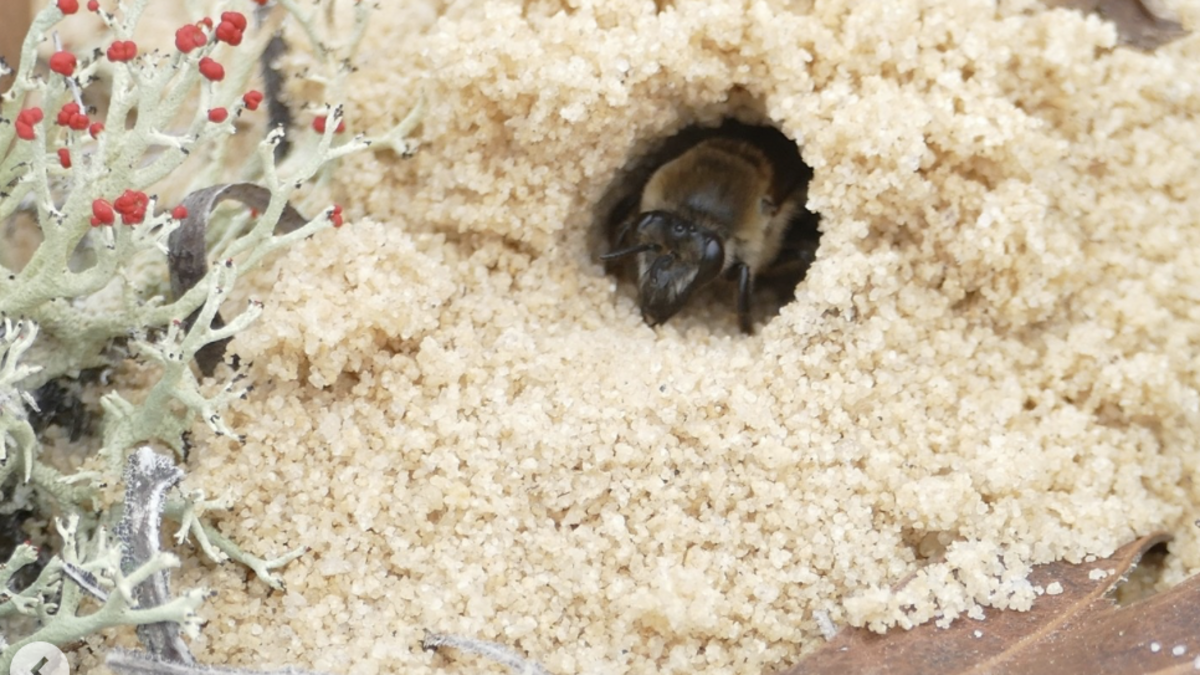
You want to know what’s un-bee-lievable? South Carolinians now might be able to see an unusual type of bee buzzing around the state.
The South Carolina Department of Natural Resources announced that a rare and relatively new species of bee has been documented in SC for the first time, on a social media post on Thursday.
The sandhill cellophane bee was discovered by Dirk Stevenson of Altamaha Environmental Consulting on an SCDNR property earlier this year, the state agency said.
Here’s what you should know about the Palmetto State’s new winged insect resident:
What’s special about the Sandhill Cellophane Bee?
Unlike the dozens of other distinct species of bees in SC, the sandhill cellophane bee takes shelter in tiny mounds on the ground that slightly resemble ant hills. That’s why you should always be careful where you step.
The bee species has only been recognized for a decade, having only been scientifically described since 2016, according to SCDNR. The bees primarily feed on black titi (aka Buckwheat Tree) and early flowering blueberries.
“Sandhill cellophane bees are known to be active only during the winter to early spring and are found nesting in sandy sites near shrub bogs or cypress swamps,” SCDNR said on Instagram. “The nests of this particular colony are what led to their discovery when Stevenson found the mounds that are used to mark their tunnels.”
What makes the bee so rare is that it has only been found in three other states, and only in specific parts. They are located in southern Mississippi, southeastern Georgia and northern Florida. SCDNR did not disclose where this particular colony of sandhill cellophane bees is located.
According to a report from NatureServe Explorer, the bees are threatened by habitat loss, specifically due to climate change. Increased storm severity and frequency, as well as fire suppression, can wreck their shelter.
Like all bees, sandhill cellophane bees are essential pollinators, but they are also mostly docile and not aggressive. They will only sting you as a last resort if they feel threatened.
How ground bees can be beneficial to your backyard
The sandhill cellophane bee is a type of ground bee that burrows in the ground for shelter. That might not sound appealing for homeowners who worry about insects tearing up their backyard, but the good news is that they don’t do any damage.
This type of cellophane bee wouldn’t make shelter in a residential area, but similar ground bee species would. They might actually help your garden plants and flowers flourish. The dirt mounds might look unappealing, but these underground bees are great yard aerators, according to DTEK Live Bee Removal.
So if you see this extremely rare bee buzzing around, don’t attempt to mess with their territory, and let them continue to pollinate the area.