
Is it OK to brake check if a driver is following too closely? Here’s what SC law says
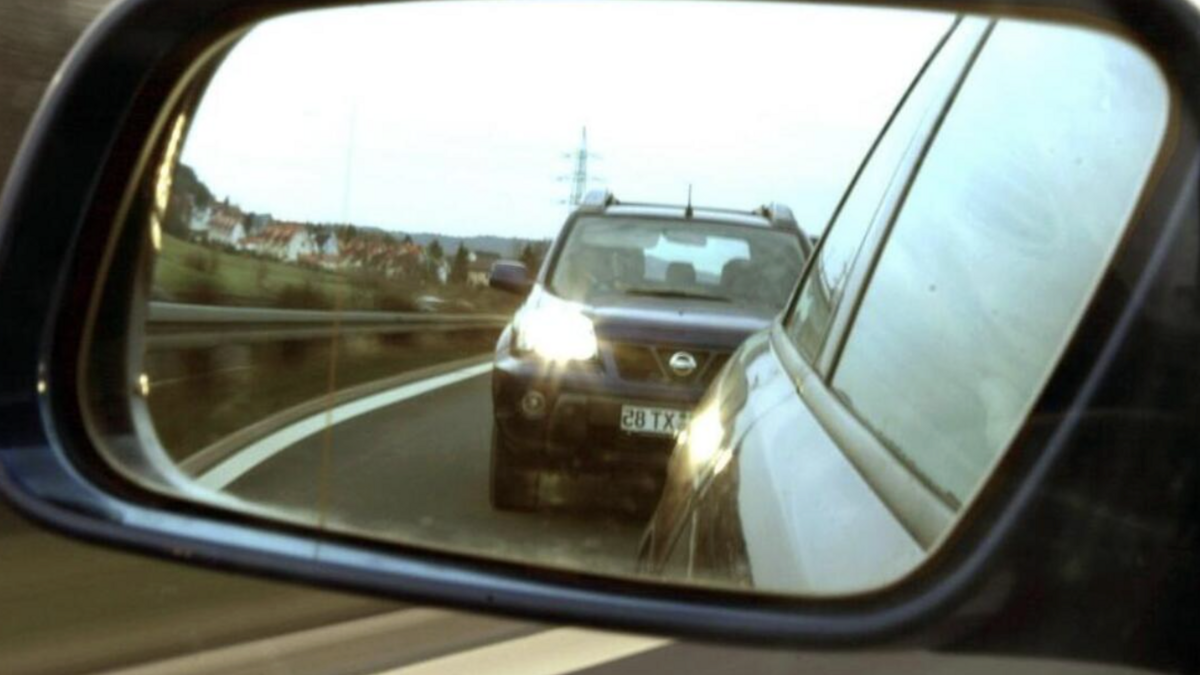
Let’s say you’re driving down a South Carolina highway and the driver behind you comes aggressively close.
Like tailgating as a message you’re going too slow.
You just want to tap — maybe slam — on your brakes to scare them.
Don’t.
It’s illegal in South Carolina, as it is in all 50 states in the country.
The legal term is actually reckless driving, and it can bring a significant fine and points off your license.
And if the person hits you, you can be liable to all sorts of damages, including medical bills, car repair, lost wages, pain and suffering. Felony reckless driving in which someone is injured or dies can bring a prison sentence of five years or more, according to South Carolina law.
But isn’t it always the rear driver’s fault in an accident?
Nope.
The Chappell, Chappell and Newman law firm in Columbia says, “Traditionally, civil courts have held that the rear driver is liable for the resulting damages in a rear-end collision. This rule is based on the notion that drivers are always responsible for allowing sufficient stopping distance between their vehicle and the vehicle in front of them.”
But courts in recent years have ruled there are extenuating circumstances.
“Columbia drivers who intentionally engage in brake checking may be required to compensate the other party in the event of a brake-check accident,” the firm said.
“Additionally, drivers who cause rear-end accidents as part of a scheme to defraud an insurance company may face criminal charges in a South Carolina court.”
That can lead to criminal charges.
Civil lawsuits can be filed by the injured party.
“In a South Carolina personal injury claim, the plaintiff must prove that they were injured by the defendant’s behavior,” the law firm said. That there was negligence on the part of the person who hit the brakes.
Nationwide Insurance says in 2024 20% of rear-end accidents were caused by tailgaters.
Here’s what they say you should do if someone is following too closely.
Stay calm: Keep composed to prevent emotions from getting the best of you and causing a serious accident.
Keep a comfortable distance: Pay attention to the cars around you and if one is tailgating close to you, stay far away.
Let the tailgater pass: If the tailgater is behind you, switch lanes or even pull over to let them pass.
Maintain your speed: Stay consistent with your speed so that other drivers can safely pass if they must. Using cruise control when conditions allow helps keep your speed predictable for you and other drivers.
Nationwide says use the 3-second rule to determine a safe distance between cars.
“The rule says that when a car in front of you passes any point, you should be able to count to 3 before you cross that same point. The more distance between cars, the more time to react,” the insurance company said.
If the tailgater hits you, all bets are off.
Call law enforcement, collect the necessary information, document everything and then contact your insurance company. That’s a rear-end collision.