
It’s time for Richland County Council to govern in a transparent manner
Richland County Council has a billion-dollar mess on its hands and how we get out of it depends on how honest we are with how we got in it. The mess is the county’s penny tax transportation program, which currently is in transition, in litigation and in trouble.
How much trouble?
According to the South Carolina Department of Revenue, Richland County is on the hook to repay millions in dollars that it spent on the program that is not covered by the governing statute.
But before we can fix this mess, we need to acknowledge how we got here.
First, the penny tax referendum was defeated by voters in 2010. Then in a 2012 election stained by incompetent planning that led to historically long lines at precincts where the referendum was likely to fail — and a highly suspicious deluge of pro-tax absentee ballots — the measure passed.
Even then Richland County Council couldn’t get it right: acting against the advice of county legal staff and on the advice of outside profit from the ensuing bond work, the council acted on a special purchase order that circumvented state procurement law — and let the county council itself select the companies that would get $6 million a year to run the program
The first attempt to name a program development team was not done legally, and it failed when challenged by a losing contractor. The second attempt succeeded, and the signed program development team contract allowed for expenses that the state Department of Revenue almost immediately disallowed; as a result, the county has had to pay back two separate $1.5 million public relations contracts and money for a Small Local Business Enterprise office. In both cases, the county unsuccessfully fought the Department of Revenue while racking up hundreds of thousands in attorney fees.
It’s time to stop finger-pointing and start fixing; hiding behind executive sessions and making documents off-limits to the public only make the problem worse.
I ran for office and fought for this country because I believe in democracy and in transparent government that conducts its business in public — not behind a closed door. If elected officials are not willing to make decisions in public, then they are likely making the wrong decisions.
The same goes for the recent proliferation of Richland County Council members who have abstained or recused themselves from votes without providing written reasons that can become part of the minutes — so that the public can see why they have a conflict and what that conflict may be.
Sunshine is the best disinfectant, and the Richland County Council should welcome the sunshine if it hopes to have the credibility required to turn this troubled program around.
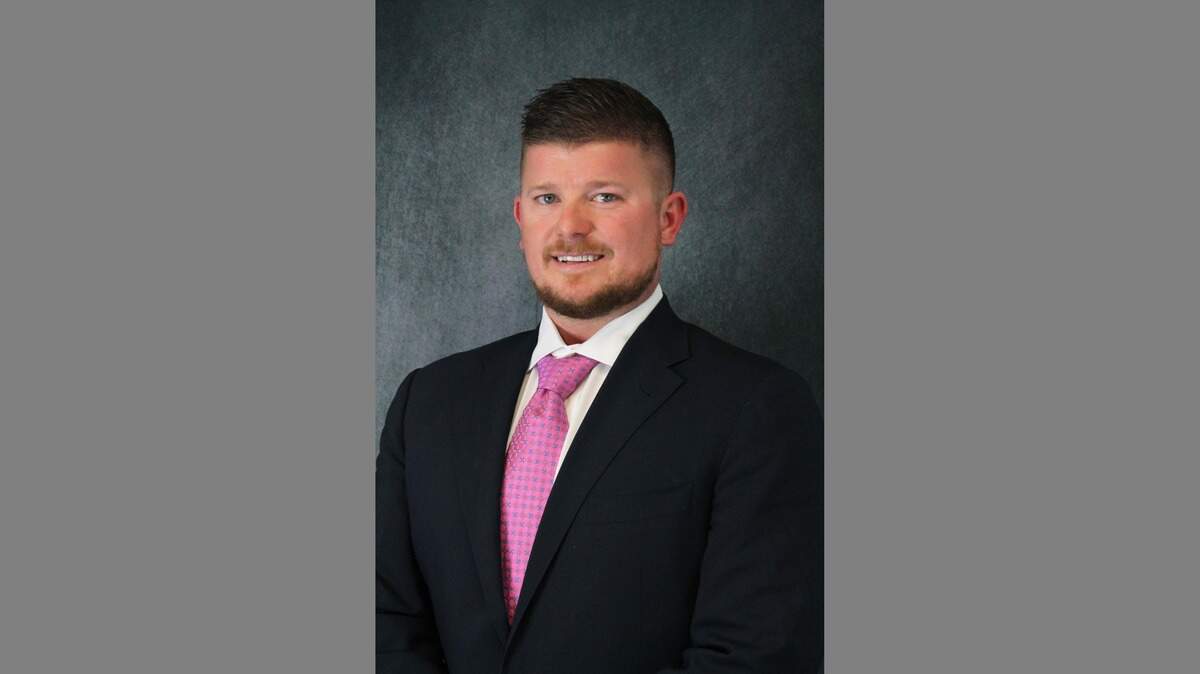
Richland County Council Member Joe Walker III is a lifelong Richland County resident, an Iraq War veteran and a small business owner. He was elected to county council in 2018.
This story was originally published November 21, 2019 at 11:00 AM.