
South Carolina must open its arms, heart to asylum seekers
In the aftermath of World War II, the nations of the world came together on Dec. 10, 1948 to produce the Universal Declaration of Human Rights. It is a remarkable document that includes these words: “All human beings are born free and equal in dignity and rights.”
These words had particular significance in immediate years after World War II.
During that war our nation turned away boatloads of Jewish refugees who were seeking safety; instead many of them went on to perish in the death camps of Nazi Germany.
To make sure that would never happen again, this sentence was included in the Universal Declaration of Human Rights: “Everyone has the right to seek and to enjoy in other countries asylum from persecution.”
But today — exactly 71 years since the Declaration was signed — we are not keeping the promises that it made.
Conflicts around the globe have driven millions of people from their homes, and hundreds of thousands of them have sought refuge within our nation’s borders. Many of them will end up in South Carolina. Unfortunately, our state may be the most hopeless place in America for these individuals to seek asylum.
Asylum-seekers living in South Carolina must attend immigration court in Charlotte, where they face one of the most hostile courts in America: in 2018 only 5% of asylum seekers whose cases were heard in Charlotte were granted asylum — a rate lower than almost anywhere else in the nation. In fact, many immigration attorneys in South Carolina have stopped taking asylum cases because they know the chances of clients receiving asylum are so low.
Earlier this year, the MUSC Asylum Clinic opened; our clinicians offer pro bono forensic evaluations of asylum seekers and document the physical and psychological signs of torture, trauma and abuse.
President Donald Trump has claimed on occasion that asylum seekers are “gang members” who are carrying out a “hoax” and “scam.” But our evaluations bear testament to the reality that Trump is totally wrong.
Our clients are not gang members; mostly they are young mothers, but we have seen men and unaccompanied minors as well.
They reached America by foot or by bus, fleeing communities in Mexico and Central America that are among the most violent on Earth. They tell stories of unimaginable violence suffered at the hands of their spouses, the police or gangs.
We have documented the profound mental trauma that such clients have undergone as a consequence of this violence. Almost all of them fear for their lives or the lives of their loved ones if they were to return to their countries of origin.
The motto of South Carolina is “Dum Spiro Spero,” which is Latin for “While I Breathe, I Hope.”
But no one in our state personifies this motto more than the asylum seekers we see in our clinic.
As long as they breathe, they have hope that they will be granted asylum; they have hope that they and their children will live safe and secure lives in the United States.
As South Carolinians and as Americans, we should live up to the promise of the Universal Declaration of Human Rights — and respect the rights of this vulnerable population seeking refuge in our country.
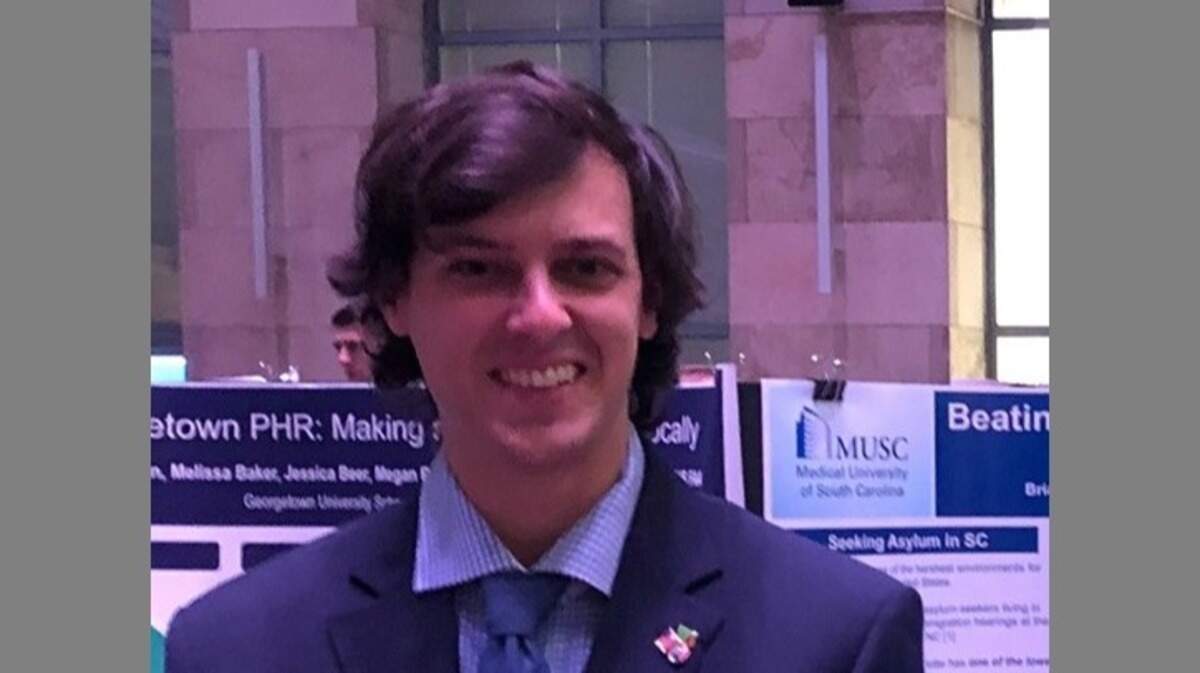
Brian Elmore is a medical student and one of the founders of the MUSC Asylum Clinic. Elmore wrote this piece to commemorate Human Rights Day, which is observed each year on Dec. 10.
This story was originally published December 10, 2019 at 5:00 AM.