
South Carolina’s educational challenges remain too great for us to handle alone
Some 67 years ago in Summerton, S.C., Briggs v. Elliott was the first of five cases eventually combined into Brown v. Board of Education. It was that case that led to the landmark 1954 U.S. Supreme Court decision that declared segregation in public schools to be unconstitutional and in violation of the 14th Amendment’s equal protection clause.
The decision resulted in a decree that struck down school segregation across the United States.
Today in South Carolina — some 65 years after Brown and in the wake of the 2017 state Supreme Court decision to vacate Abbeville v. South Carolina — the state continues to struggle with the vestiges of an educational system hampered by inequities like:
▪ An antiquated funding formula,.
▪ Inadequate per-pupil funding.
▪ Crumbling infrastructure.
▪ Morale issues caused by low pay and little support for teachers and staff.
As a result, the wealth gap between rich and poor school districts widens, academic achievement suffers and we fall further behind the world in preparing children for the jobs and world of tomorrow.
A recent New York Times article stated that “education is today is more critical than ever” and cited the roles that the civil rights movement, school desegregation and the War on Poverty have played in bringing some equity to the playing field. Yes, there has been progress, but the hard truth remains that the wealth and educational gaps in this state and nation continue to widen.
We have a long way to go.
Though public education continues to be viewed as a “states rights” issue, state governments — particularly in the Deep South — have historically needed federal intervention in terms of both dollars and the court system to address disparities that cause the education of children to be unduly influenced by their ZIP codes and economic status rather than by their dreams and ambitions.
That’s why I agree with Democratic presidential candidate Tom Steyer’s Right to Learn platform in his Five Rights agenda: it states that “without guaranteed access to a good education, there’s no such thing as equal opportunity” and that “the government must protect the right to a free, quality public education from preschool through college and on to skills training.”
As one who has served in state government, I can attest to the fact that these challenges are too big for states to address alone. If we are to do right by our children, we will need bold guidance and assistance from the federal level, which must work with the states to help them meet the educational needs of our children.
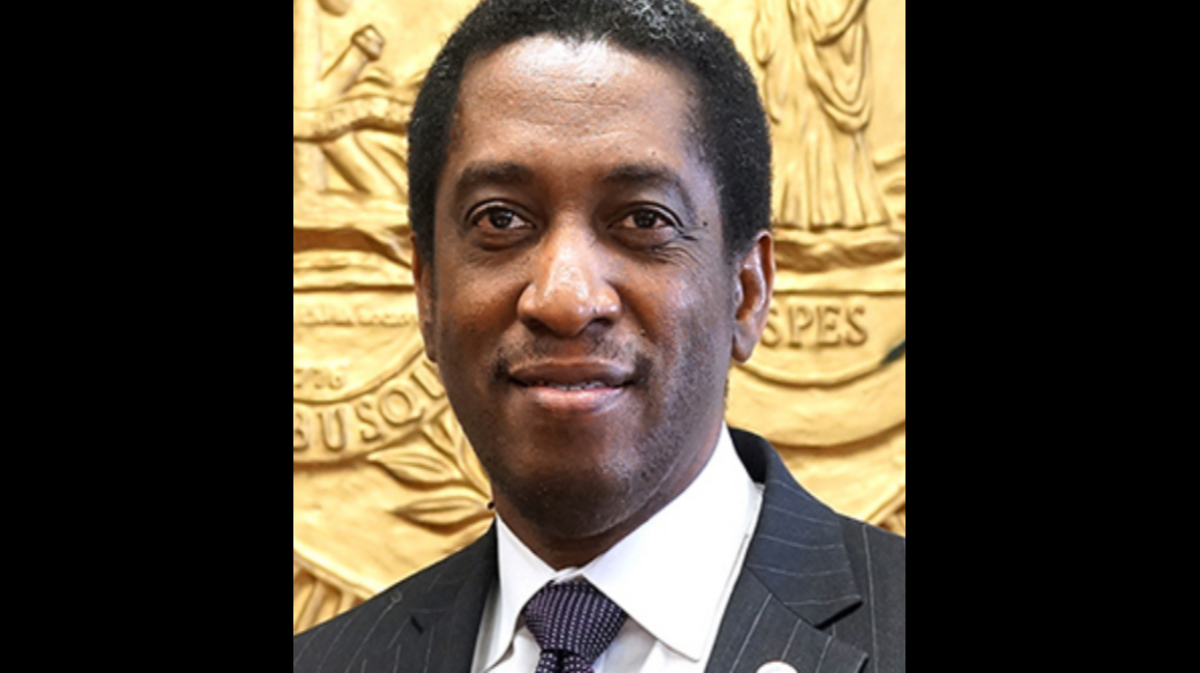
State Rep. Jerry Govan represents District 95 and serves as chair of the South Carolina Legislative Black Caucus.
This story was originally published December 24, 2019 at 2:37 PM.