
News coverage doesn’t give us the whole story on the U.S. and Iran
On the economy
I worked overseas for the U.S. government and was able to learn about what governments in other nations do for their citizens. These citizens give their governments the power to impose taxes for things like national health care, transportation and other major services; as a result, the people in these countries have better standards of living and live longer, healthier lives than Americans.
Unfortunately, elected conservatives in our country care most of all about transferring the wealth of our nation from the middle class to businesses; they believe that providing benefits for average Americans only serves to take wealth away from corporations and rich Americans. What makes things worse is that many Americans vote against their own interests when they vote for conservatives who are more interested in helping businesses than average citizens.
We must begin to elect people who will improve our lives.
If we don’t, we will continue to transfer America’s wealth to businesses that could not survive without getting tax subsidies or tax breaks — or by having their every business expense, real or imagined, reimbursed by the American people.
Marie Vevik, Cayce
On Iran, America
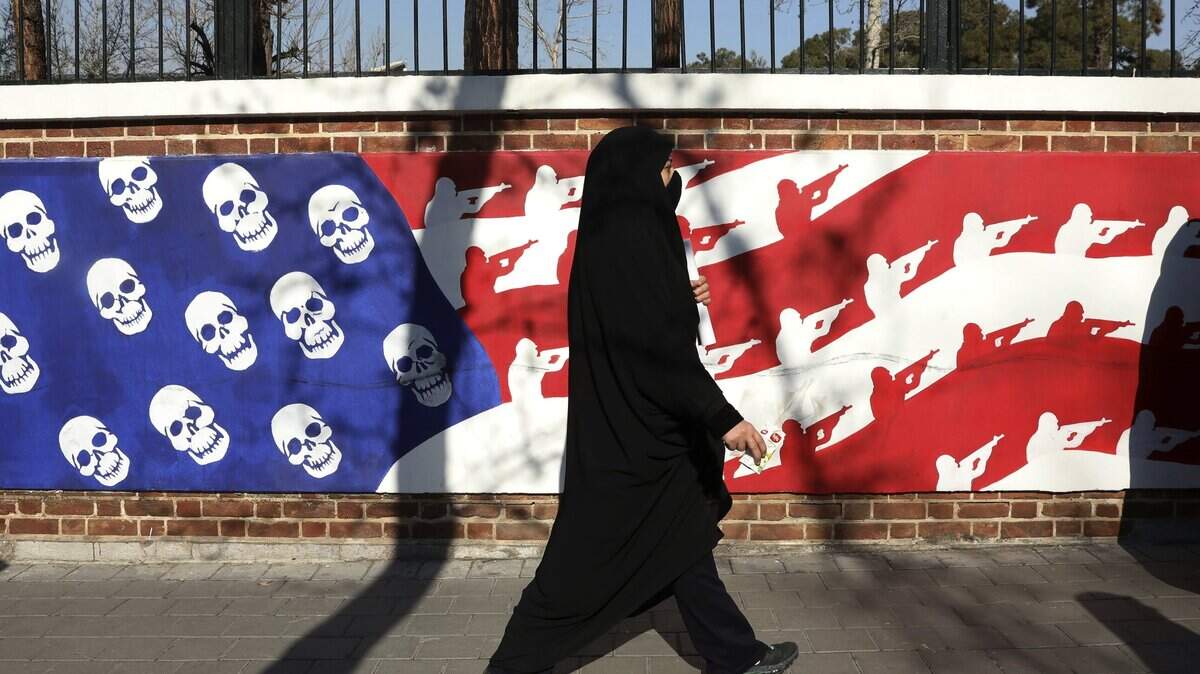
Much of the news coverage about America’s relationship with Iran misleadingly leaves out an important part of the history between these two countries. The news coverage constantly focuses on the relationship between the U.S. and Iran since 1980; it constantly makes references to “four decades of hostility” between the two countries.
But what the news coverage often fails to note is that in 1953, the United States and Great Britain worked together to engineer a coup in Iran that deposed that country’s democratically elected prime minister. The coup gave power to the autocratic Shah of Iran, whose unpopular and often brutal regime held control until he was overthrown during the late 1970s.
Throughout the Shah of Iran’s time in power, the United States supported him — and that history must be acknowledged to give us a better understanding of the current crisis.
Thomas Terrill, Columbia
On King’s campaign
Decades ago the Rev. Martin Luther King, Jr. huddled with friends near Beaufort to plan a movement to remake America in accordance with our great moral teachings. King had hoped to achieve a peaceful, socially conscious democracy in America, but he was assassinated in 1968 while mobilizing support for what would sadly be his final crusade — the Poor People’s Campaign.
By many measures, the problems we face today are worse than those King confronted during the 1950s and 1960s. Despite the widespread perception of our country’s economic strength, 2.1 million South Carolinians are effectively poor; in addition, more than 400,000 people in South Carolina do not have health insurance.
Today so many Americans can’t even recall a time when our country was not at war — and we are also facing the urgent issues of climate change and ecological devastation.
Next week a group of people mirroring the 1968 campaign will gather in the Lowcountry — the birthplace of the Poor People’s Campaign — to continue King’s work. We will seek to penetrate the depths of what King called “the deeper malady” within the American spirit. Unfortunately the sickness King identified more than 50 years ago has become a contagion — and the symptoms have become too familiar.
Please join us.
Kieran Taylor, Charleston
This story was originally published January 6, 2020 at 5:07 PM.