
SC resident and fisherwoman wants waterways, environment protected for future generations
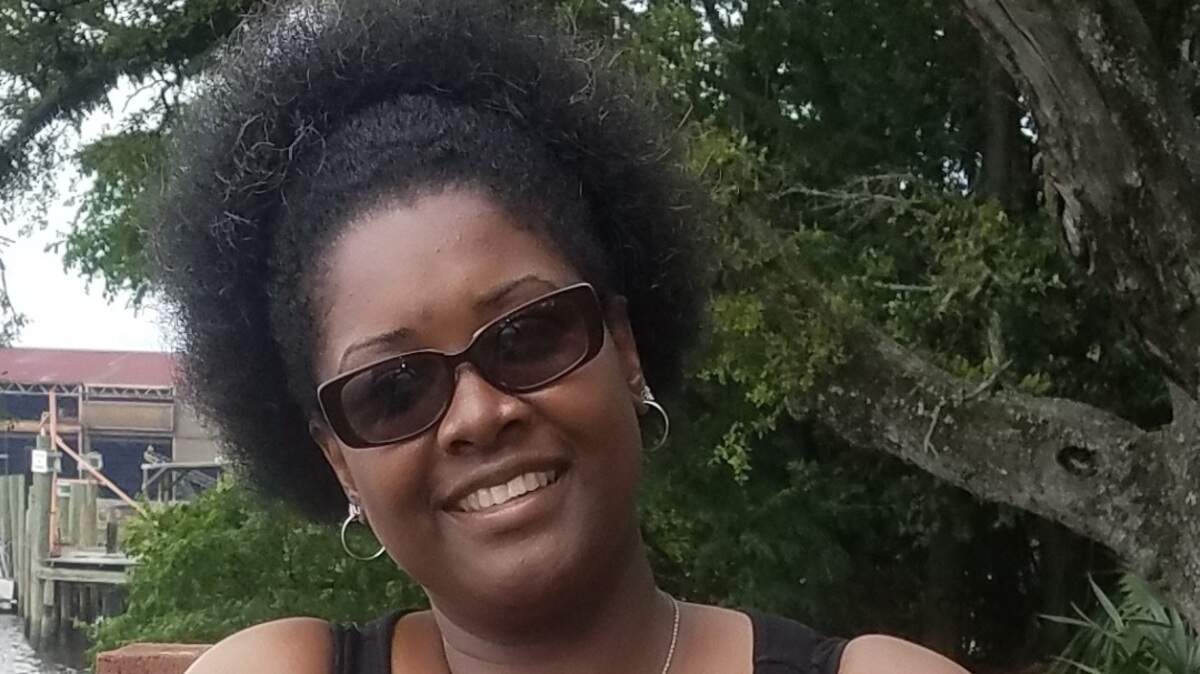
When I was growing up, if you wanted to have seafood for dinner, you pulled out your fishing pole or your crab trap and headed down to the water.
My grandfather raised me as a fisherwoman, teaching me to fish and catch trout from the nearby river.
These days, if you get a notion to have fish for dinner, most people head down to the grocery store.
Catching our own fish has been a family tradition, though, and I can’t imagine things any other way. But changes in our weather and all the construction in our region are taking a toll on fishing.
If we’re not careful, we’ll find ourselves with dirty water, flooded or dried up creeks and streams, and an equally dried up economy when the tourists don’t want to come here anymore.
One of my favorite places to fish for red brim in the North Santee area is a prime example of how changes in weather are impacting fishing.
There are great fishing creeks that stem off the river up there, but when the hurricanes come through - and nowadays even just heavy rains that happen more often - they have to open the dams upstream which floods the creek.
When that happens, the fish habitats get disrupted, the water tends to be murkier.
Worse, it floods people’s homes, too.
When the water crests, I understand the dam has to be released. But as it storms more and rains get heavier this is going to become an even worse problem.
It’s all happening because we’re putting too much pollution in our air and water, heating up the atmosphere, and making all these dangerous storms spin up. We have to take care of this earth that’s been entrusted to us all, or it won’t be able to keep taking care of us.
New construction and development are posing challenges for fishing, too.
So much of the safe coastal land is already built on, so as our region grows developers are looking at building on, or too close to, ponds and other wetlands.
This harms - and sometimes even eliminates - fishing areas that people like me use for food. It makes our area more susceptible to flooding too.
When you interfere with those natural flood protection devices that are built into our land, it is a recipe for failure.
It means a lot to me that I’ve been able to pass down the love of fishing that my grandfather planted in me to my two children.
In fact, my 15 year old daughter has really taken to it. We call her the “fish whisperer” - she catches more than any of the rest of us.
She has come to love the way our family and friends come together at the end of a long day of fishing − taking turns cleaning and cooking the day’s catch, then enjoying our hand-caught supper around the dinner table.
I love this way of life, and want my children to pass it along to their kids and grandkids one day, too.
We all have to pitch in to keep our air clean by reducing pollution from power plants, like the nearby Winyah Coal Plant, and to keep our water free of trash and industrial waste.
We have to be more mindful of how our region grows to make sure we’re preserving the innate flood protection of our natural wetlands and ponds.
We have to teach our children how to take care of our environment so that it’s there to take care of them and the generations to come.
LaToya Anderson is a Georgetown County resident who lives near Santee Cooper’s Winyah coal plant. She is a clean water advocate and an avid fisherwoman.