
McMaster on the hunt for obscene material. Is the government coming for your books next?
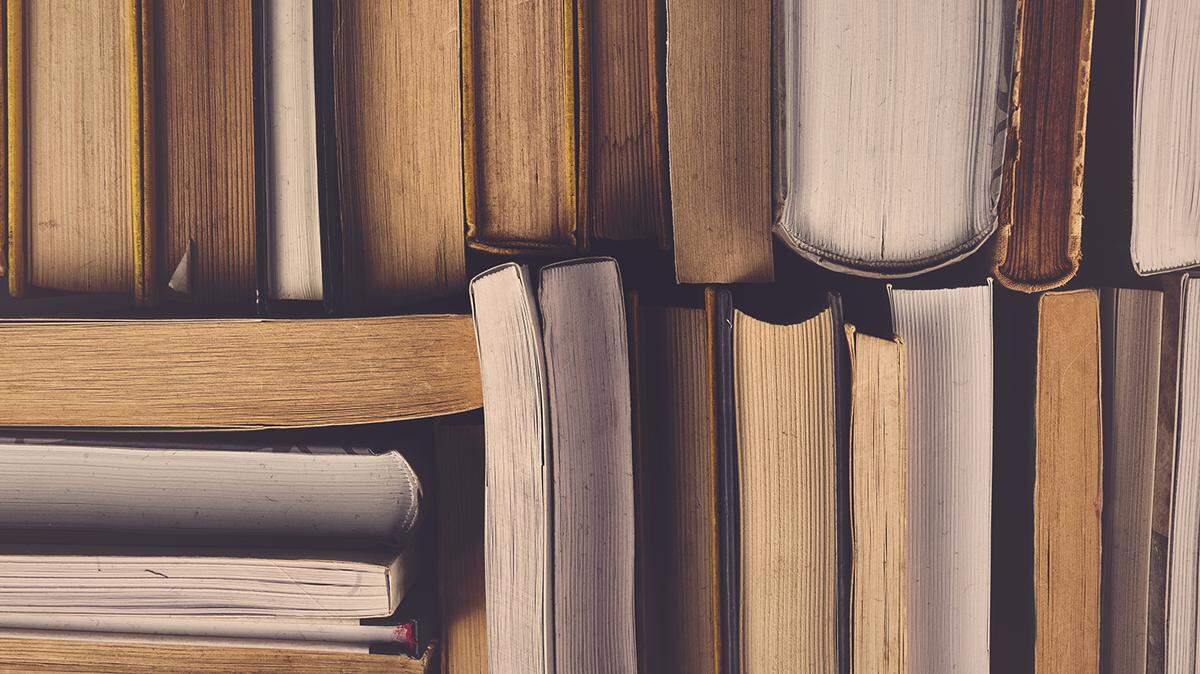
Picture your favorite book, you know the one, slightly worn cover, dog-eared pages.
You know some passages by heart.
Perhaps it’s the first book you read that left you feeling hopeful or the first that finally featured characters who looked and lived like you.
It stirred your soul, took you to distant lands, made you laugh or cry, encouraged you to take action.
And even now, years after you first sat down in your comfortable chair or on a park bench or a beach blanket to start reading, you treasure it still.
Now, imagine the feeling if someone told you you could never read it again.
Banning books is not a new concept, but as we near 2022 it is a movement that has found new life.
A simple Google search displays news story after story of efforts - some more successful than others - to ban books in schools in places like Fairfax County, Va., York, Pa., and the entire state of Texas.
Now, it appears South Carolina is next.
Late Wednesday afternoon, Gov. Henry McMaster Tweeted a letter he sent that day to Superintendent of Education Molly Spearman.
It began, “Dear Superintendent Spearman: It has come to my attention that public schools in South Carolina may be providing students with access—whether in school libraries, electronic databases, or both—to completely inappropriate books and materials, including sexually explicit and obscene images or depictions. After learning of this issue from understandably outraged parents and reviewing the examples provided of such obscene and pornographic depictions, I was shocked and disappointed.”
McMaster went on to request an investigation to determine how the book he deemed inappropriate found its way into one of the state’s schools. He concluded the letter by suggesting laws may have been broken. The letter was even copied to Chief Mark Keel of the South Carolina Law Enforcement Division.
The letter comes after parents living in the Fort Mill School District complained about the book Gender Queer: A Memoir, by Maia Kobabe.
Publisher Simon & Schuster lists the comic or graphic novel, an autobiography about how Kobabe dealt with being nonbinary, as appropriate for students in grades 10 and higher.
The book has been the target of other banning efforts, most recently in Virginia where the push to ban books became an issue in the state’s gubernatorial election.
McMaster, in a seeming nod to Virginia’s push to remove the book from school libraries, said the book “contains sexually explicit and pornographic depictions, which easily meet or exceed the statutory definition of obscenity.”
It includes depictions of oral sex and masturbation.
Fort Mill School District spokesman Joe Burke told McClatchy newspapers that the district received a complaint about the book last week and it underwent a review process.
He added that “only the district’s three high schools and students of high school age had access to the book.”
It has been removed from circulation.while the review process continues.
Granted, the subject matter may not be to everyone’s liking, but the good news is we are fortunate to live in a society that, at least in theory and often in practice, values not only freedom of expression, but freedom of choice.
You don’t have to read Maia Kobabe’s book and neither do your children, but it’s there for those who want to read it.
It’s available to young people who, like Kobabe, may be in the midst of figuring out who they are or why they feel as they do.
So often book banning efforts are aimed at the work of the underrepresented, the people who for decades had little access to literature that featured characters like them, including Black Americans and those who identify as LGBTQIA.
Instead of fearing such literature, South Carolinians should welcome the opportunities books represent, a chance to learn and grow and rid ourselves of the many biases that have festered for too long across our nation.
Those cheering on the banning, and in places like Spotsylvania County, Va. the possible burning of books, should also understand that once we agree that some books can be banned we tacitly agree that other books, including the ones you love, may suffer a similar fate.
This story was originally published November 11, 2021 at 10:40 AM.