South Carolina execution policies, procedures should be available to the public
READ MORE
Executions in SC
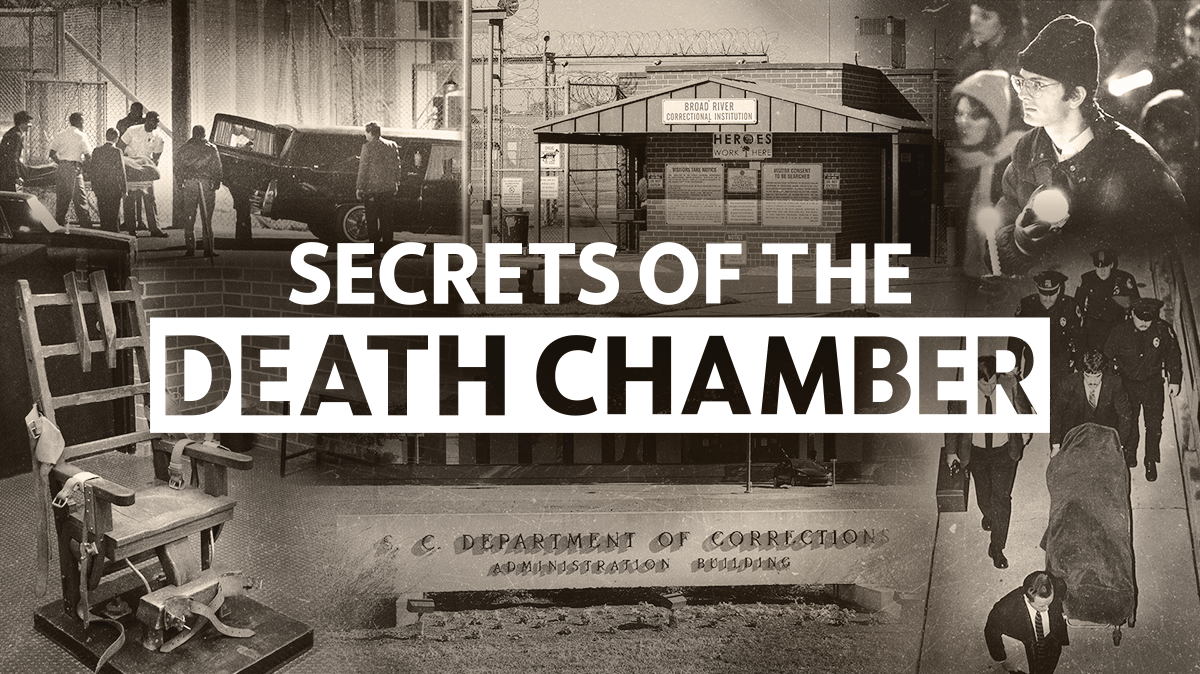
Many of those who helped execute people in South Carolina have never spoken about their job’s toll. The State interviewed 10 involved in the work, explored SC execution history and exposed how South Carolina is keeping current execution information secret.
Expand All
Inmates on South Carolina’s death row are allowed to have a very specific set of items in their possession depending on their status.
For instance, those designated Level I inmates, who have “good behavior, demonstrated a positive attitude, and adhered to (Department of Corrections) policies and procedures” are permitted seven pairs of socks and 10 personal books and/or magazines.
The rules change for Level II Inmates, “those who have been involved in an incident or incidents or who have received a disciplinary charge or charges” and Level III inmates held under the “strictest degree of custody and control.”
We know all this because the South Carolina Department of Corrections has an itemized list available on its website detailing each item, down to the number of toothbrushes and playing cards allowed.
It is what we do not know - what is not available on that website - that we find troubling.
As the state looks to implement a new permitted means of execution approved by the state Legislature - death by firing squad - we don’t know how the state is progressing toward the goal of developing a firing squad.
The SC Department of Corrections website notes that “Legislation was signed into law May 14, 2021, creating the option of a firing squad as a means of executing a condemned person. The department is working to establish policy and procedures to govern this method. It is not available at this time.”
That means that while the state has had a full six months to develop its policies, there is still no timeline on when they will actually be complete.
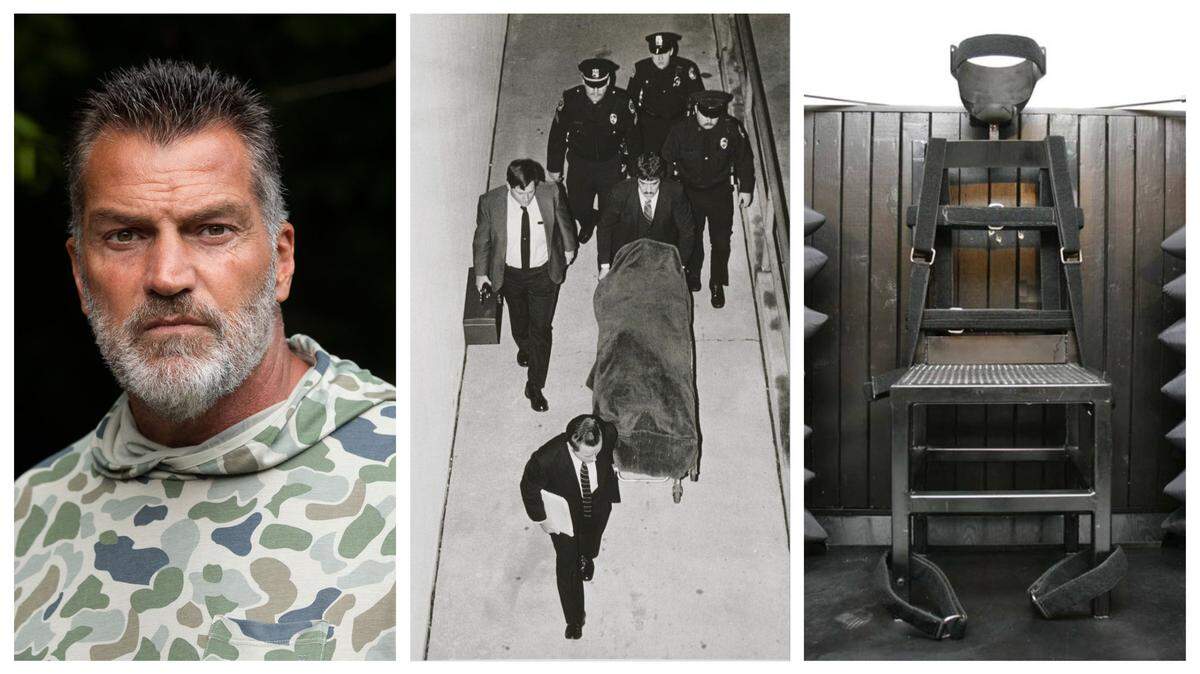
Our investigative reporter Chiara Eisner has spent months working on stories about executions in the state, talking to the men who have had to help execute people for the state about the toll the work took on them.
But as a new method is being planned details are scant.
The department has already spent more than $53,000 to implement the firing squad, but will not disclose complete details about how the money was spent.
The Department of Corrections did release some additional information about money already spent, but portions were redacted making it impossible to know what types of weapons or ammunition were purchased and what companies the state is working with in the process.
Department Director Bryan Stirling said South Carolina is looking at how other states, specifically Utah, conduct executions by firing squad.
“We’ve been in contact with Utah about getting advice from them,” he said.
Once the South Carolina firing squad procedures are established, they will likely remain largely unknown to the public.
Inmates and their attorneys may be made aware, but Stirling said a 2015 State Attorney General’s opinion found that most details should be kept under wraps.
The opinion was not related to the firing squad or electric chair method of execution, however, only to lethal injection. Lethal injection cannot currently be used in South Carolina since the state has failed to obtain the necessary drugs to execute people in that manner. And though the legislature has repeatedly tried to pass a law that would allow the state to conceal the names of companies that could sell those drugs to the state, no such law has been passed.
Robert Dunham, the executive director of the Death Penalty Information Center, said the public has a right to know how its money is spent.
“It is not legitimate to conceal from the public the companies with whom the government is doing business,” he said.
When our team was met with resistance, it turned to the Freedom of Information Act, designed to ensure accountability and transparency. The law allows, with some exceptions, anyone to request and review public documents.
Our attempts included learning what protocols were in place in June when the state was scheduled to kill two people in the electric chair. Again, the state refused to make them public, citing a number of reasons including a right to privacy. Only the inmates and their attorneys were given this information. Those executions were ultimately delayed because the state had not yet prepared the firing squad, and people on death row have a right to choose from more than one way to die. At the time, the only option available to them was the electric chair.
Other states, like Arizona, make such protocols readily available online.
“Whose privacy is the Department of Corrections concerned with here,” said attorney Jay Bender, who represents the S.C. Press Association.
The department even has officers sign non-disclosure agreements about what happens on death row.
Former agency staff say it wasn’t always so secretive.
South Carolina has not carried out an execution since 2011, but the department’s website is open about such details as the number killed since 1912 - 284 people - and the racial disparity - 75 white people executed compared to 209 Black people.
Now, it is incumbent upon Gov. Henry McMaster’s administration to be upfront and honest about their protocols and their spending in our name.
They work for you - the people of South Carolina - and they owe you a full accounting of where and how your money is spent, particularly when we are literally dealing with matters of life and death.
When a jury convicted Timothy R Jones. Jr. for murdering his five children and recommended that he be sentenced to death, the judge noted, ““The defendant Timothy R. Jones shall suffer death by electrocution or by lethal injection in a manner consistent and as provided for by the law of South Carolina.”
Jones is now appealing his sentence, but should that day come, we must know that our state upheld its end of the bargain.
This story was originally published November 15, 2021 at 6:00 AM.