
Protecting South Carolina marshes means protecting Native American way of life
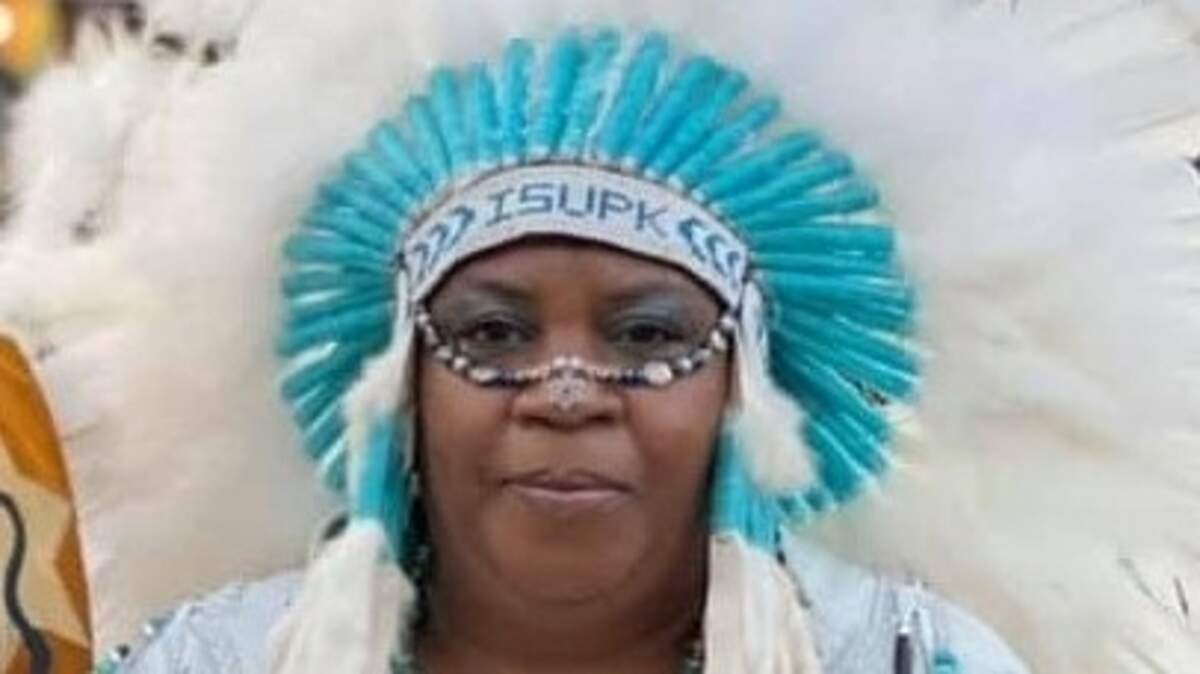
We have always harvested the marsh.
The Chicora of the Catawba once traversed the coast from Cape Fear, North Carolina to Savannah, Georgia, but, as the land became colonized we slowly retreated into the sacred heart of our territory, what is now Little River Neck, South Carolina.
With our people condensed to one small spot, we needed a system for survival.
So we kept the marsh like we would a garden. The marsh was divided into plots and we became the gardeners – harvesting and reseeding the saltmarsh.
This maintenance both kept the marsh healthy and provided us with food.
Until the mid-1980s, our tribe maintained these plots.
Each day we’d shuck oysters into five-quart jars and leave their shells in the marsh for new oysters to grow on. We didn’t eat the oysters ourselves, but people were crazy for them and we’d sell the oysters to them.
Us?
We were after the fish.
Mullet, spot, flounder - those were our delicacies. We’d plant fish traps near our oyster gardens or spearfish in the crystal clear water the oysters produced.
Our target size was the size of our hand, never too big, never too small.
Then, after a long day, we would split our catch among our community and sell the excess at the fish market. Those days would end around the stew pot with the smell of mullet in the air.
The next day we would wake up and work those plots again, every day, until we were too old. Then, we’d pass it to the next member of our tribe. The responsibility of stewardship and the bounty it produced was now theirs.
But we’ve been cut off from our marshes.
As people decided they wanted our land, we found we didn’t have the proof of ownership they wanted.
First were told our land was already owned under King’s Grant.
Then that land was sold and developed and we lost access. The plots that were handed down and cared for over generations were taken from us. Now they’re bisected by lawns, golf courses, and roads.
Not only has the marsh lost our stewardship, but the weather is changing. I’ve watched the rains grow heavier and more frequent in my lifetime. The water floods the manicured lawns that were once marsh and maritime forest. The rain falls onto roads and concrete and rushes into the marsh. All of this run-off, laden with fertilizer and pollution, chokes the once clear waters of our home.
The fish that were once plentiful and fed our families are scarce. Today, people catch them too small or too big, and they catch too many. Our way maintained those fish. Now those resources are depleted.
The Chicora way of life has disappeared with these resources.
If we want to eat fish, a staple of our diet, we must now buy fish from the market. The same market we used to sell fish to. I’d love to pass our traditions to my children, but the opportunity is slipping away.
We have to protect our marshes and the resources they provide.
We need to protect access to these resources as well. It’s more than a question of protecting the natural systems that protect our communities.
For me and my tribe, it’s a question of survival.
These marshes fed us and sustained our culture.
To be cut off from these marshes means to be cut off from the soul of the Chicora people.
Sandy Edge lives in Little River Neck and is a member of the Chicora family of the Catawba People