
‘Lucky break’: 1986 cold case arrest offers hope to families coping with missing loved ones
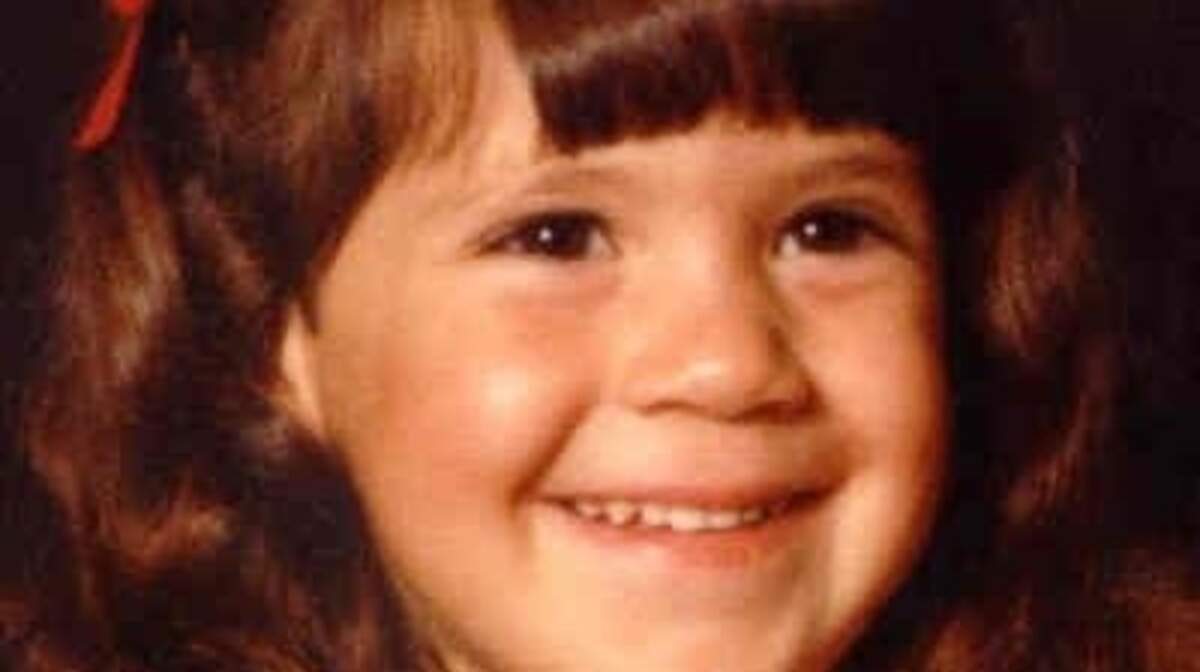
“I am 35 years deep in this, trying to find my daughter. And I want my daughter back. I don’t think I’m asking for much.”
That was the impassioned plea Debra Gutierrez made last year in a video as investigators focused new resources and energy on trying to find out what happened to her daughter, Jessica, so many years ago.
The little girl, who Debra Gutierrez recalled as being a “little spitfire,” was taken from her Lexington County home in the middle of the night on June 6, 1986 when she was just four years old.
On Thursday, more than 35 years later, Thomas Eric McDowell, 61, was arrested at his Wake Forest, N.C. home and charged with Jessica’s kidnapping and murder.
McDowell’s arrest won’t mend Debra Gutierrez’s broken heart, but it may bring some much-needed answers to a mother in pain.
Those answers are the result of months of work that brought the FBI, the Lexington County Sheriff’s Department, the South Carolina Law Enforcement Division and the Attorney General’s Office together.
“The FBI could have been anywhere and they chose Lexington, South Carolina and our sheriff’s office to help us with this case,” Lexington County Sheriff Jay Koon said in a video about the renewed effort.
In a video detailing the process, FBI Special Agent Daniel Garrabrant explained that the FBI’s Child Abduction Rapid Deployment team, known in the agency as CARD, has a group of agents, analysts and support staff that deploy across the country often to help local agencies with cold case investigations.
Koon credited his office’s efforts to strengthen ties with its state and federal investigative partners with bringing the FBI to Lexington County to revisit Jessica’s case.
“We start from the beginning. We look at everything that’s been done. We review the entire case file. We do a lot of homework,” Garrabrant said of the team’s approach to a cold case.
That review meant taking a new look at crime scene photos, talking to neighbors and using new methods to examine decades’-old evidence.
“It’s knocking on doors. Interviewing people,” Garrabrant said.
The effort gave Koon hope that at least Debra Guitierrez might one day know what happened that awful night.
“In 1986, I was 14 years old, but when I got elected over six years ago I inherited all these cold cases,” Koon said last year as the CARD team came to town.
“Just knowing about it and hearing about it and just talking to Miss Debra and hearing her passion and fire. You know as a father I would hope I could have that burning passion 35 years later to get answers and some closure,” Koon said.
Garrabrant said his team has met with success, bringing closure to families struggling with not knowing.
“We do solve cold cases and that’s why we go out on them,” Garrabrant said.
“It’s just a matter of getting that lucky break or finding that one thing that we didn’t have before or a tip from the public that they didn’t think was important,” he said.
The break in the 1986 case offers hope to the many other families out there also coping with daily life not knowing what happened to their loved ones.
It’s a pain most of us, fortunately, will never know.
As Debra Gutierrez put it, “No day is easy. No day is easy.”