
Annual bird count helps develop science, conservation policies in South Carolina
On an unseasonably warm December day, a group of passionate birders gathered to take part in an annual tradition that is a bit different from typical holiday customs. Armed with binoculars and tally sheets, they set out to shape the future.
This tradition, known as the Christmas Bird Count, represents one of the largest community science projects in the Western Hemisphere.
The data collected is vital to informing science policy and conservation efforts here in South Carolina and beyond.
Sponsored by the National Audubon Society, and in its 122nd year, the Christmas Bird Count brings together local chapters across the Western Hemisphere to share in the longest-running wildlife census.
The Hilton Head area count included more than 300 volunteers, among the largest of over 2,600 counts. On Dec. 15, participants counted 26,681 birds of 135 different species in a 15-mile-wide circle.
The circle includes diverse habitats from beaches, maritime forests and salt marshes to golf courses. Teams covered much of it, including the area’s magnificent public parks and nature preserves such as Pinckney Island National Wildlife Refuge, Audubon Newhall Preserve and Sea Pines Forest Preserve.
About 100 volunteers even counted birds at their backyard feeders.
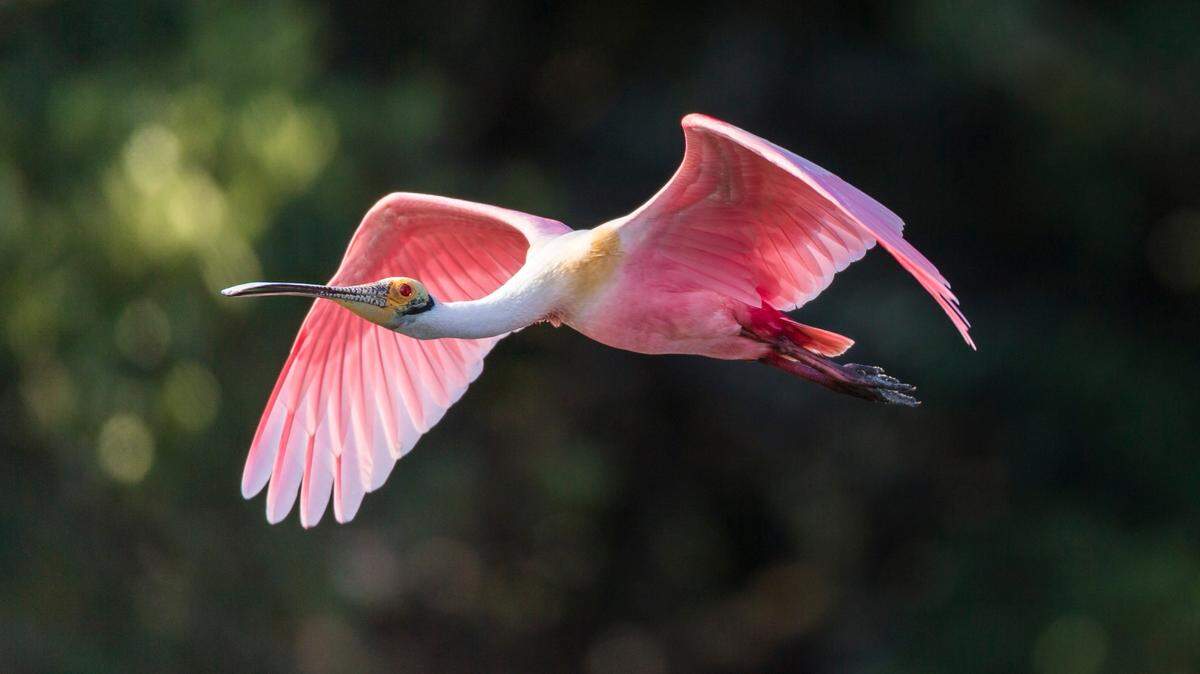
Participants observed common birds including Northern Cardinals, Blue Jays, Snowy Egrets, Carolina Wrens, Hooded Mergansers and Bald Eagles as well as some rarer sightings like Roseate Spoonbills, a Western Kingbird, a Peregrine Falcon and American White Pelicans.
These observations, when compiled with other Christmas Bird Counts, help scientists discover trends that make our work here in the Lowcountry even more impactful.
Bird populations are declining at an alarming rate.
Data gathered from Christmas Bird Counts and other studies estimate that North America is home to nearly three billion fewer birds today than 50 years ago. Overall, our bird populations have decreased by 29% with some species seeing much sharper losses.
In January, scientists at the National Audubon Society published a study based on data from Christmas Bird Counts in Global Change Biology that analyzed the response of birds in the eastern United States to climate change and habitat availability. Using 90 years of this data, they determined that the winter ranges for birds have moved in response to climate change.
By tracking how bird ranges move over time, conservation efforts can prioritize areas that are important for birds today and in the future.
With two-thirds of North American bird species at increasing risk of extinction by the end of this century, community science data is more important than ever for effective conservation.
Our feathered friends have shown that we are connected in ways many of us don’t see. When our bird population thrives, we humans do, too.
After all, we share the same ecosystem.
Audubon’s work is rooted in science and common-sense policies. We aim to create healthy spaces and safe, inclusive access to the outdoors for the benefit of all people. We champion polices that not only protect birds, but also protect South Carolina’s clean air and water, iconic landscapes and $20 billion tourism industry.
Programs like the Christmas Bird Count are changing the way we see the world in real time. Diminishing numbers demand our attention. Both climate action and fostering healthy natural spaces are key to a better future.
The birds tell us that it is time to act.
We will be back counting with the Great Backyard Bird Count on Feb. 18 to 21 and invite you to participate. You do not need prior experience or expert knowledge. This event is for everyday citizens who share a love for the outdoors and a desire to contribute to something bigger.
Hilton Head Audubon volunteers are at local schools this week teaching students how to spot and identify local bird species right on their school campuses.
Visit https://www.birdcount.org/ for more information and become a citizen scientist right where you live.
Susan Murphy is the coordinator of the Hilton Head Christmas Bird Count and Robert Rommel is a reviewer for the Hilton Head Christmas Bird Count and a local nature photographer.