
Tough-on-crime rhetoric of the ’90s is back. Police reform must be a part of it.
When I walked into an apartment and saw the bloody footprint after a drive-by shooting that killed my niece’s mother, I had two thoughts: 1.) That I needed to convince my youngest brother to cooperate with police to help find the men who meant those bullets for him. I was desperate to stave off a cycle of violence I knew could be brewing. 2.) And that I didn’t trust the police.
It was more than a decade ago when I was wrestling with those internal contradictions. The homicide rate was still in a decades-long decline that began when criminologists had been predicting an increase. It was easy for leaders and activists, liberal and conservative, to admit that mass incarceration and the war on drugs were destroying already-vulnerable families like mine and to adopt policies that focused more on prevention and rehabilitation than vengeance and bloodlust.
Conservatives could (rightly) argue it was fiscally responsible to begin emptying jails and prisons. Liberals could (rightly) argue that mass incarceration, particularly built on the backs of Black and Brown people, was an abomination in the world’s oldest democracy.
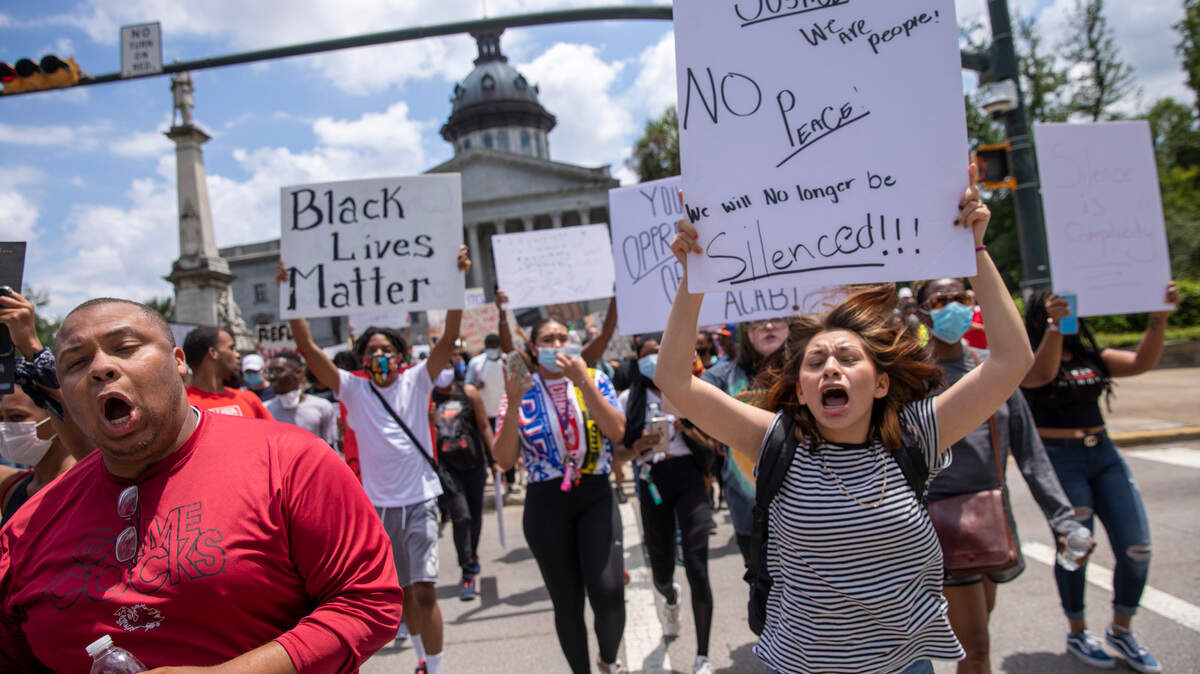
The murder of George Floyd by police officer Derek Chauvin supercharged the urgency for the ever-elusive policing reform.
Just as criminologists in the 1990s did not predict a decades-long decline in homicide and violent crime, neither did they forecast when that decline would begin reversing itself. Neither could they have foreseen an initial uptick in violent crime getting supercharged by a once-in-a-century pandemic that has upended our lives and mental states in ways we won’t fully understand for years, if not generations.
The number of homicides has jumped in recent years, including a historically-high 30% between 2019 and 2020. So have vehicle deaths and drug overdoses and suicide attempts by young girls.
We can’t say with certainty how much of that is attributable to the pandemic, and yet it’s hard to believe such an unprecedented disruption of modern life hasn’t played a significant role in the increase of some kinds of crime and self-harm.
That has reopened the door for the tough-on-crime rhetoric politicians from both major parties fed on during the ‘90s. They clamor for more police after events such as the New York subway shooter, even though the city had already put several hundred more cops on the streets before that event. They want to end bail reforms, jeopardizing efforts like those in Myrtle Beach and Georgetown that were sparked by the George Floyd protests. They want to lock more people up, treat criminals more harshly.
But I have neither forgotten when cops in New York used a broken broomstick in a man’s rectum in the ‘90s nor when the drug enforcement unit along the Grand Strand used a no-knock entry into a Myrtle Beach apartment, shot a man multiple times, paralyzing him for life, without a single officer facing discipline even after they were caught in lies. Neither can I forget how “three-strikes” laws ruined already-vulnerable families, wrecked distressed neighborhoods.
That’s why I’m back where I was when I walked into that apartment and spotted that bloody footprint. I want a solution to rising crime, whatever its cause. I want struggling families to be safe, to not have to endure what my family has. And I think police can — and must — play an important role in that process.
But it won’t work if reform is short-circuited, progress rolled back. It won’t work because even those of us desperate for answers remain convinced that unaccountable police can be as much a threat to our safety as the scary, well-armed drug dealer around the corner.