
They might have to work harder, but SC kids can make it in music with the right support
Right now, a South Carolina kid is playing a musical instrument in their bedroom, imagining how far music can take them.
They’re making noise and seeing themselves on a stage, the crowd cheering. Their heart is beating faster when a series of notes tunes up to an emotion. They’re plotting how they will make this passion into a life.
That kid was once Jonathon Heyward, playing his cello in his Charleston area home.
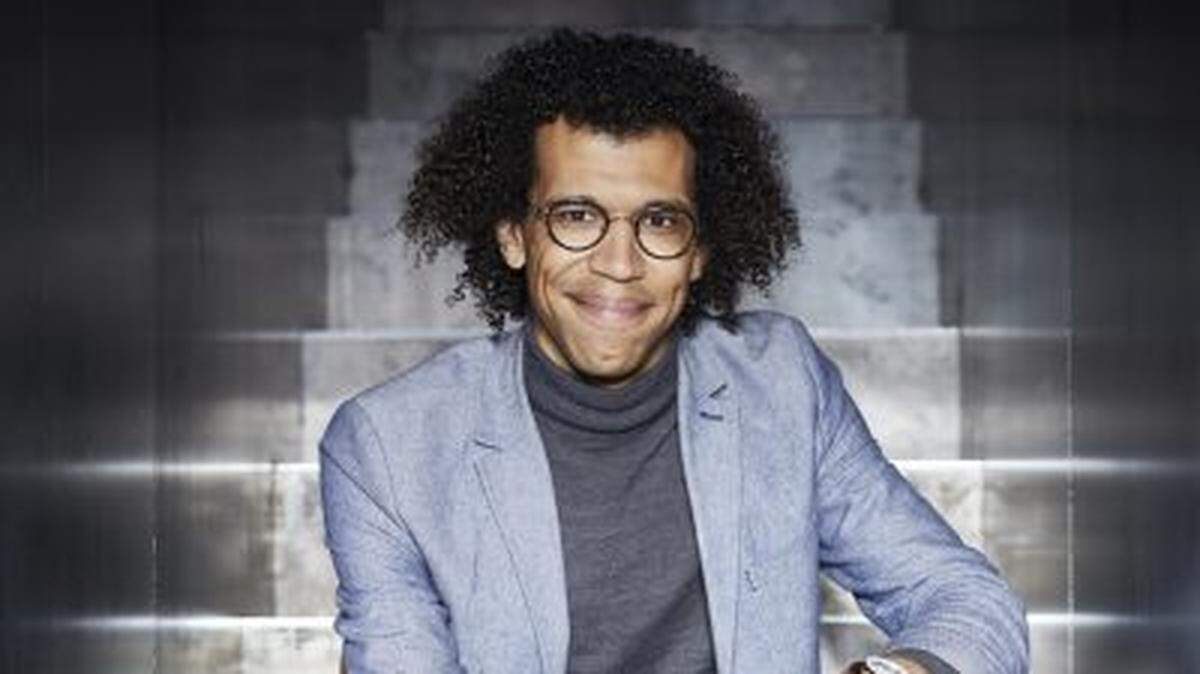
Heyward made history this week by becoming the first person of color to be named conductor of the Baltimore Symphony Orchestra and at only 29 years old. He was tapped to lead the symphony starting in 2023. He’s only the second person of color ever to conduct a major U.S. symphony orchestra, the New York Times and others reported.
Heyward credited Charleston County’s public schools and his parents for creating and supporting his musical ambitions.
“I owe my entire career to the Charleston Public School System and its music education programs that provided me with free instruments and free lessons,” Heyward told the Baltimore Sun.
That kid in their bedroom, abusing a set of drums, blowing a horn or blistering their fingers on strings, needs support like Heyward got. They can only go so far on their own. They need friends to have their backs; their parents, grandparents, relatives or self-made family to be there for them. Mentors have to take time with that kid, teach them from their mistakes and triumphs.
If you’re any of those folks, you got to stay by that kid’s side, growing up with them, becoming better with them as they excel in music.
That kid might not know it yet but they’ll figure this out soon enough — to make good on a dream, you have to claw deeper because you’re from South Carolina. The climb will be just a bit steeper when you start out walking along rural roads in Orangeburg, or from the driveway of a trailer park in Clinton or on a stretch of suburban wastelands in Summerville.
They’ll encounter times when their skin color matters more than their skill on that instrument, times when their father doesn’t know the right people to get them a gig or their mother can’t afford the right clothes to spare them judgment. Cynics who never amounted to anything will try to bury the kid alongside them. That kid has to overcome interviewers and critics thinking that they’re stupid and lesser because of their Southern accent. They have to overcome preconceived notions of their beliefs and their past.
When that realization hits that kid, they’re going to need folks around them to tell them to keep playing their instrument.
South Carolina lawmakers and school leaders need to play their part in supporting that kid.
Historically, when the economy takes a dive and state budgets for schools dwindle, art programs are among the first cut. With the potential for budget cuts looming because of a troubled national economy, South Carolina budget overseers should begin doing the mental work to prioritize school funding so that arts programs, such as music classes, are available and robust.
In South Carolina, what threatens public schools and art programs as much or more than economic downturns are conservative lawmakers who have schemed for decades to divert public school money through voucher programs to private schools, which have no shortfall of funding from wealthy parents and boosters. Last month, a voucher bill on track to pass went exactly where it should, the legislative graveyard.
Let’s make this clear. Cuts and diversions to public schools have the harshest effects on low-income students who already have to work harder to reach their goals.
Public money needs to go to public schools where the state can support the majority of South Carolina students and where an instrument sitting in a corner has the greatest chance of turning into a kid’s passion.
With less arts funding for public schools, potential is lost. Talent and ambition turn to waste. Heyward doesn’t get to make history.
If you’re that kid playing an instrument, know this. You can go it alone, but you’ll be worse off for it. Hold tight to those people who support you and want to teach you. As tight as you hold them, push away those people and fight those forces trying to bring you down, including the instinct that’s telling you to quit, to blow everything up and hide yourself from your failings.
What that kid with an instrument wants right now, more than anything, is recognition from their hometown and their home state.
That South Carolina kid playing a musical instrument in their bedroom has what’s denied and what’s stolen from so many kids in this state — a chance.
Don’t waste it.
This story was originally published July 22, 2022 at 2:59 PM.