
LR5 had a ‘violation of law’ and nothing happened. SC can’t keep letting nothing happen
Here we go again.
Another piece of evidence has surfaced that school boards regularly violate open meeting and record laws and get away with it.
This has to stop. School boards — and any public board for that matter — need to follow the law or be punished.
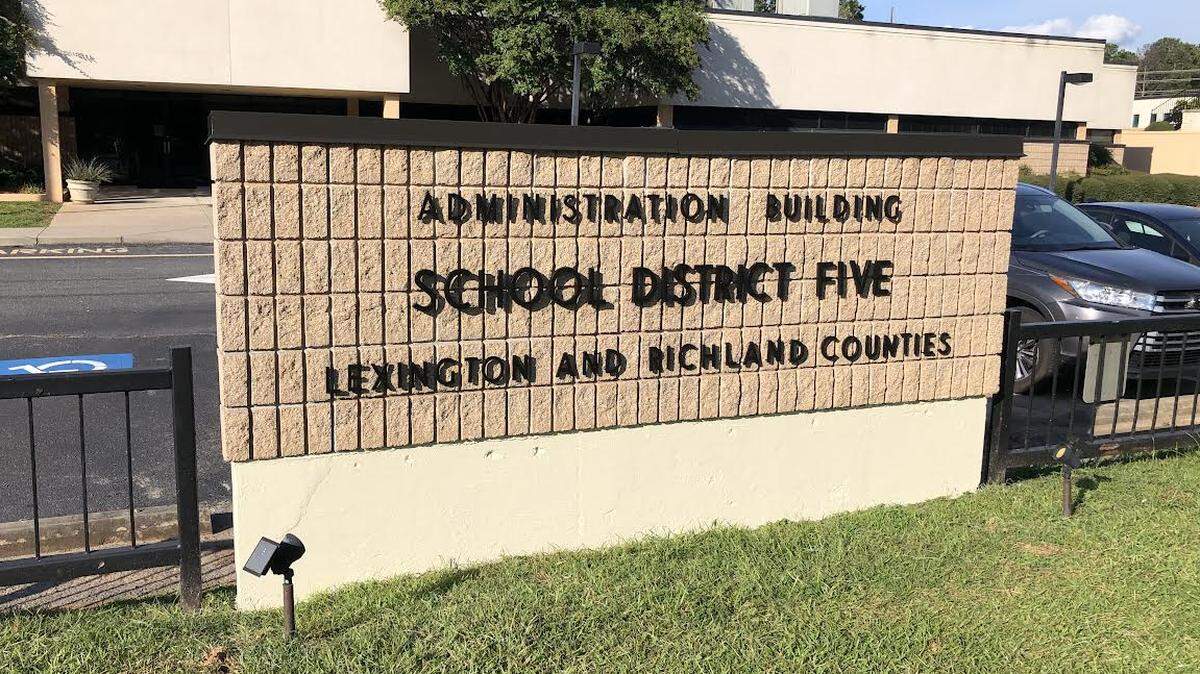
The latest evidence comes in an audit of Lexington-Richland 5 spending from 2016 to 2021 that the current board posted online. The audit mostly focuses on money the district spent on building a school, as reported on by The State’s Bristow Marchant. The spending is concerning, but a paragraph on a different topic stands out.
“On January 24, 2017 the District signed a contract to purchase the land on Amicks Ferry for the new school,” the audit says. “After this decision was made in Executive Session, the Board approved (6-1), the land purchase in an open meeting on July 17, 2017 for $932,950. This is a violation of law, as ‘no action may be taken in executive session except to (a) adjourn or (b) return to public session. The members of a public body may not commit the public body to a course of action by a polling of members in executive session.’”
Let’s repeat that one more time for the board members sitting in the back: making decisions behind closed doors “is a violation of law.”
The members of the 2017 LR5 school board had all the legal resources they needed to know the law. Any member of a board should know this is the law. Many citizens who follow the boards know it. The 2017 board had no excuse for this violation.
How could any board member be so arrogant to think they do not have to conduct the public’s business in public for the public to witness?
This kind of violation of the law is a pattern with school boards. Over the past year The State and other media have reported on a Richland 1 board member claiming close meeting law abuses in executive sessions; some Richland 2 board members going after each other in executive sessions; the state Attorney General’s Office threatening the Charleston County School Board with legal action after allegations of violating open meetings and records law; and a former LR5 board member claiming violations of open meetings laws.
Senior editor Paul Osmundson filed a lawsuit on on The State Media Co.’s behalf alleging LR5 board members illegally voted behind closed doors in early 2022 on a resignation settlement with a former superintendent. After the lawsuit was filed, the the board formally approved the settlement in public.
Over the last year, the public has seen a mountain of evidence that boards are breaking the law, yet nothing is being done by the state of South Carolina.
It shouldn’t be up to citizens to sue boards to make them follow the law. Prosecutors need to step up.
Where are the state investigators to look into violations and the prosecutors to take violators to court? Attorney General Alan Wilson’s threats of action against the Charleston County School Board was a good start. But let’s have some follow up.
Lawmakers should recognize the issue and amend the current Freedom of Information Act, or FOIA, to include penalties for violating rules on meetings and closed-door sessions. If public bodies don’t turn over documents under FOIA law, those bodies can be subject to $500 penalties. Why not make that penalty apply to breaking meeting rules? Raise the penalty to $1,500, and require the board members to pay the fines from their own pockets, not the public’s.
Most of the FOIA violations we know about are in highly populated areas with multiple media outlets who watch what happens. Think of what could be happening in areas where boards are less scrutinized, if they’re scrutinized at all.
Does a board have to kill someone in executive session before anyone gets prosecuted or taken to court by county solicitors or the Attorney General?
This story was originally published September 23, 2022 at 10:50 AM.