
What is ‘cultivated meat’ and is it better for us and the environment? A reader explains
Better meats
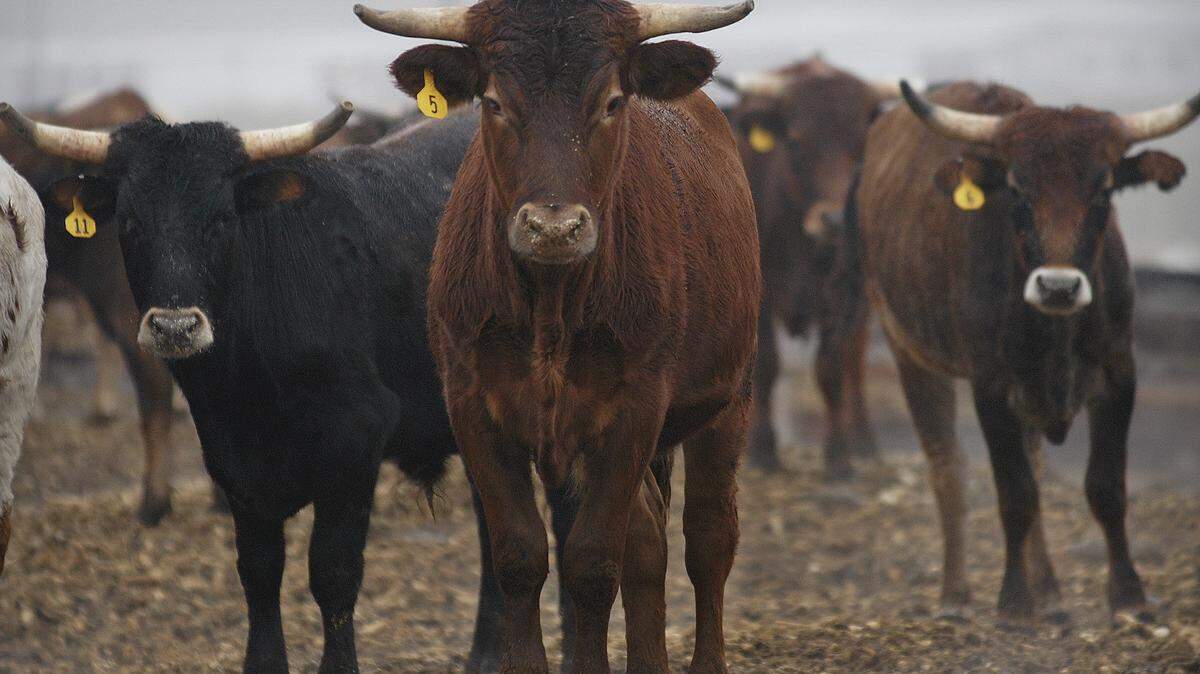
In a landmark ruling destined to save billions of animal and human lives, the Food and Drug Administration ruled Wednesday that meat cultivated from animal cells is safe to eat. The ruling was granted to Upside Foods, funded by Bill Gates and Richard Branson, but also by meat industry giants Cargill and Tyson Foods. In the past decade, the cultivated-meat industry has grown to more than 150 companies on six continents, backed by $2.6 billion in investments. They all grow meat from animal cells in clean manufacturing plants, rather than in cruel filthy factory farms. An estimated 70 billion animals are macerated or suffocated at birth or raised in tiny cages each year to produce today’s animal meat and dairy offerings. Consumption of these products has been linked conclusively with elevated incidence of killer diseases. Production of animal-based foods pollutes our waterways and groundwater supplies, destroys wildlife habitats, and accounts for 20 percent of greenhouse gas emissions.The forthcoming massive switch from animal agriculture to plant-based and cultivated meat and dairy products offers a truly monumental change in kindness to animals, human health, environmental pollution, and global warming.
Curtis Butler, Columbia
Info literacy
Our second president, John Adams, stated, “Facts are stubborn things; and whatever may be our wishes, our inclinations, or the dictates of our passion, they cannot alter the state of facts and evidence.” Unfortunately, information is more convincingly alterable than ever before. Social media has become the source of news for many of our young folks. We need to protect our youth from falling victim to dangerous disinformation campaigns. South Carolina needs to pass an information literacy curriculum to protect our students from propaganda and fear mongering. Information literacy means understanding how information is created and the context in which it is used. Other countries and states have already implemented measures to educate their communities to identify unethical use of information. Since 2016, Finland has been successfully educating their children to be fluent in digital information sources. New Jersey approved an information literacy curriculum bill this past September. The South Carolina Department of Education should consider adopting similar standards that teach our students to identify disinformation and misinformation.
Jennifer Brown, McCormick
Take pride
I live in Northeast Columbia and I love the area that I live in. However, the litter problem is totally out of control especially on Windsor Lake Boulevard and Oakcrest Drive. It’s very disheartening to ride down Windsor Lake Boulevard and see where people have thrown out bags of garbage and furniture such as couches and mattresses. I do not understand why people do not have pride in where they live, but I do know that South Carolina and the South in general tends to not do a very good job in keeping our roads clean. We need to all remember that South Carolina is a very beautiful state and we need to all take pride!
Cynthia Farrell, Columbia
Study up
Most of the counting has been done and it’s about official that the election process will soon be over. Regardless of all the promises that have been made, the reality is that the elected officials, who are supposed to represent the people, are actually going to be working for the party bosses. Some people cast their ballots but did not do the proper research to know the positions that their candidate had taken. Many voted along party lines that they were raised with, by race, or group association rather than on issues. We have one of the best political systems in the world that enables us to live the lifestyles that we have. Our dominant position in the world is threatened by foreign powers that have arisen in the last 70 years because our majority party will focus on eliminating whatever programs the previous administration implemented instead of creating new solutions to our problems. Fortunately, we can change this. Before the next election, it is up to each one of us to study the issues and get a clear view of the problems so that we can figure out the best solutions that will benefit us and future generations.
James Muldrow, Columbia
This story was originally published November 20, 2022 at 5:05 AM.