
How South Carolina’s energy bill would hurt working people and precious natural places | Opinion
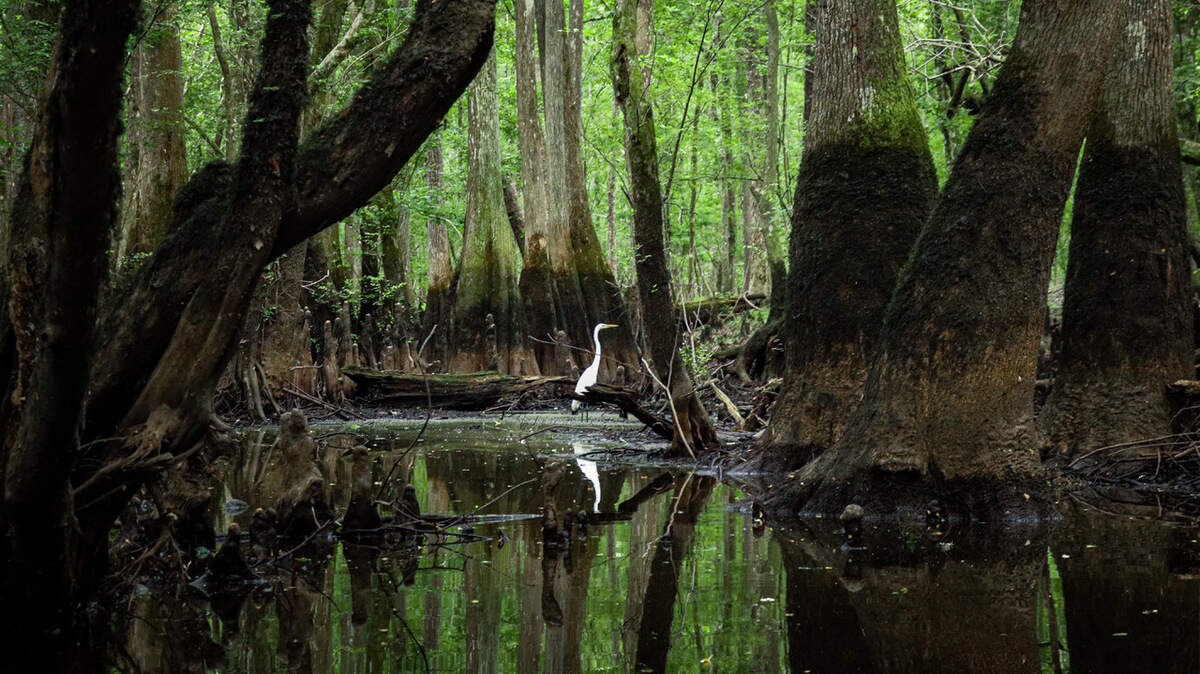
As South Carolina lawmakers discuss legislation at the Statehouse, South Carolina citizens have a big opportunity to protect working people and precious natural places. Yet House Bill 3309 misses this opportunity, giving major concessions to monopoly power companies. There’s still time to craft a better bill that creates a healthy, affordable future for South Carolina.
Our state should know better than to allow power companies to build huge projects with little regulatory oversight. Years ago, I led my own community in opposing a new coal plant in the Pee Dee.
It would have been one of the last coal plants built in the country, with the people of the Pee Dee paying the price through higher power bills and increased health issues. Thankfully, this project didn’t go forward. But residents have seen what happens when bad projects do go forward — the cost of unfinished VC Summer nuclear reactors in Fairfield County still shows up on many South Carolinians’ power bills. Residents need safeguards when power companies want to build huge plants, but the energy legislation at the Statehouse does the opposite.
The bill fast-tracks megaprojects similar to the failed VC Summer nuclear units. It specifically calls for a mega gas plant in Canadys, a rural community on the banks of the Edisto River.
Projects like this deserve careful scrutiny from regulators, with community voices front and center. This bill weakens existing protections and pushes projects forward with less oversight, accountability and transparency. It’s clear from the VC Summer fiasco that fewer guardrails mean working people end up footing the bill — even as they’re already struggling.
In addition to raising power bills, a gas plant at Canadys would have devastating consequences on the surrounding environment and community. The Canadys community already bore the burden of a coal plant for many years and is still recovering from those health and environmental impacts today.
Locating another massive power plant in Canadys would again emit toxic pollutants into the air, destroy private land and endanger the health of current and future generations. The people who live in and around Canadys deserve better after already being subjected to over 50 years of pollution and injustice.
Luckily, there are solutions. In my own community of Florence, we’ve harnessed the power of the sun, using solar panels to bring safe drinking water to our homes. We’ve used clean energy to build resilience kits to aid families during extreme weather events. One of the easiest and most cost-effective ways to address energy challenges is by making our homes and buildings more energy-efficient. This helps families struggling with high energy bills and reduces the need for costly new power plants. South Carolina consistently ranks among the least energy-efficient states, creating a major opportunity.
Over the past two years, the electric vehicle, solar panel and battery storage industries have brought new investments and jobs to our area. Clean energy is the future, and it can set us on a safer, more affordable and more just path.
As our lawmakers look to change South Carolina’s energy system, it’s time to prioritize the well-being of working people and the protection of God’s creation. Currently, this bill doesn’t achieve these goals. But South Carolinians have the drive, opportunity and tools to make the necessary changes and lead our state into a clean, equitable future.