
Keep our kids safe. South Carolina shouldn’t let tech giants get away with this | Opinion
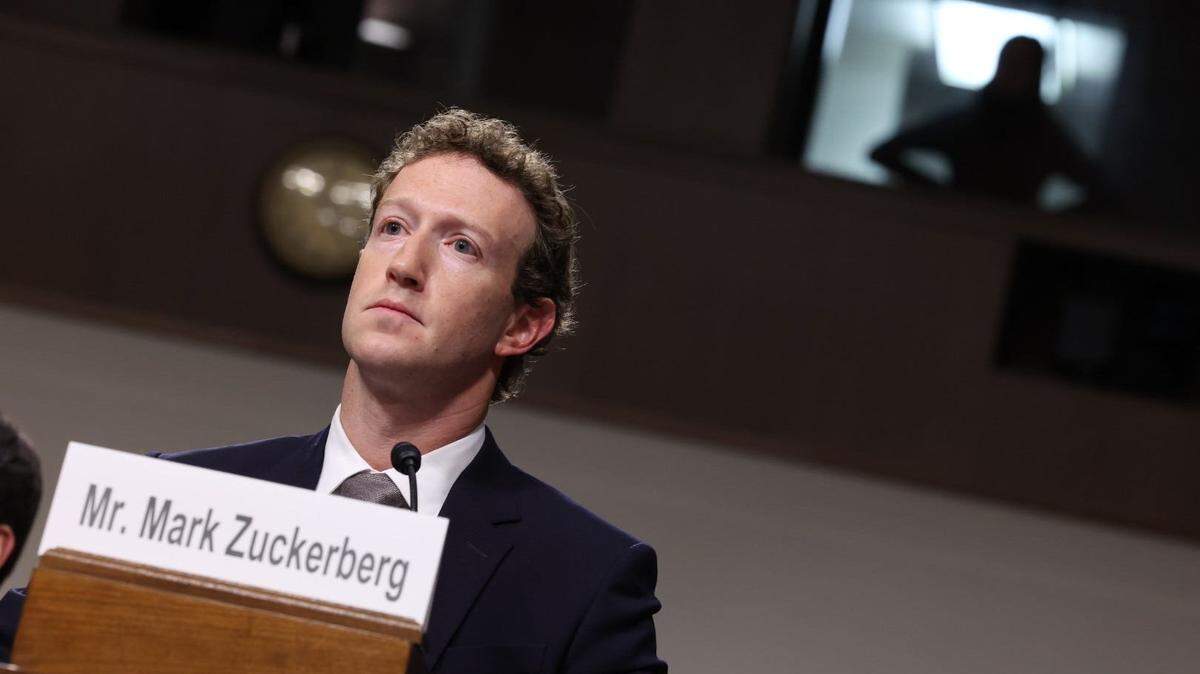
Numerous reports, including one by the Federal Trade Commission, have exposed secretive tactics used by social media giants like Facebook and TikTok to profit from children. Their methods include shady data collection practices, targeted advertising to minors, and algorithms designed to serve dangerous and addictive content to children. These reports led parents, including many in South Carolina, to demand elected officials do something to stop the exploitation of adolescents online.
In response to growing concerns, elected officials here and around the country have fought to rein in the dangers of social media companies. In 2022, Gov. Henry McMaster blocked access to TikTok on state Department of Administration devices, and in 2023, Attorney General Alan Wilson and 41 other state attorneys general sued Meta, which owns Facebook and Instagram, claiming it intentionally harmed its young users.
In the past, tech giants have fought regulations and lawsuits like these. However, it’s become impossible for social media companies to deny the harmful effects of their platforms.
Now, in the face of mounting pressure, Meta has changed its tune, and the company claims it wants elected officials to pass social media regulations, but as always, the devil is in the details.
Meta’s plan is to get lawmakers to regulate other companies so social media platforms aren’t held responsible for intentionally designing addictive and harmful apps. There are some serious issues with Meta’s plan. The Supreme Court has already overturned similar proposals, suggesting taxpayer dollars will be spent fruitlessly defending Meta-backed legislation instead of protecting our children.
What’s worse is that the regulations Meta supports wouldn’t even work. Children could continue to access social media platforms, and other businesses would have to hand private data over to social media companies, allowing them to profit off users’ sensitive information.
Meta’s proposal has earned the support of other companies that think they could benefit by passing off the responsibility for their own problems. Match Group, for example, which owns many of the largest data apps on the market like Hinge and Tinder, has thrown its support behind the measure. These companies see it as a ticket to make someone else accountable for keeping underage users off of its apps, an issue the company has failed to address for years.
Pornography websites have even realized that these kinds of bills could benefit them. Companies that produce and promote explicit content have indicated their support for similar loopholes that would allow them to show inappropriate content to underage children on laptops, desktops and other devices without facing repercussions.
Lawmakers should not prioritize the desires of social media giants, dating apps and pornography companies when deciding which online regulations will best protect young South Carolinians. Instead, they should listen to the parents of children who are affected by dangerous content online.
Recent polling from AudienceNet, a London-based research services agency, found 87% of some 2,000 U.S. parents supported regulations to safeguard children’s mental health and shield them from inappropriate content online. The same poll found that 93% of those parents want content providers such as social media companies, video game makers and pornography websites to play a larger role in protecting kids from dangerous content on the internet.
Parents know that the best way to keep children safe online is to hold tech giants accountable. Companies like Meta have responded to pressure from lawmakers looking to make their apps safer. In fact, Meta recently adopted technology to verify users’ ages and keep children away from Instagram. In Columbia, state legislators should put similar pressure on Meta and other tech executives to take actions to keep young users safe.
The fact is that dangerous apps are harmful to our children, and for far too long, tech giants have avoided accountability for their actions. Lawmakers shouldn’t let them do it again.