
The key to electric vehicles is the free market. A new SC law will help | Opinion
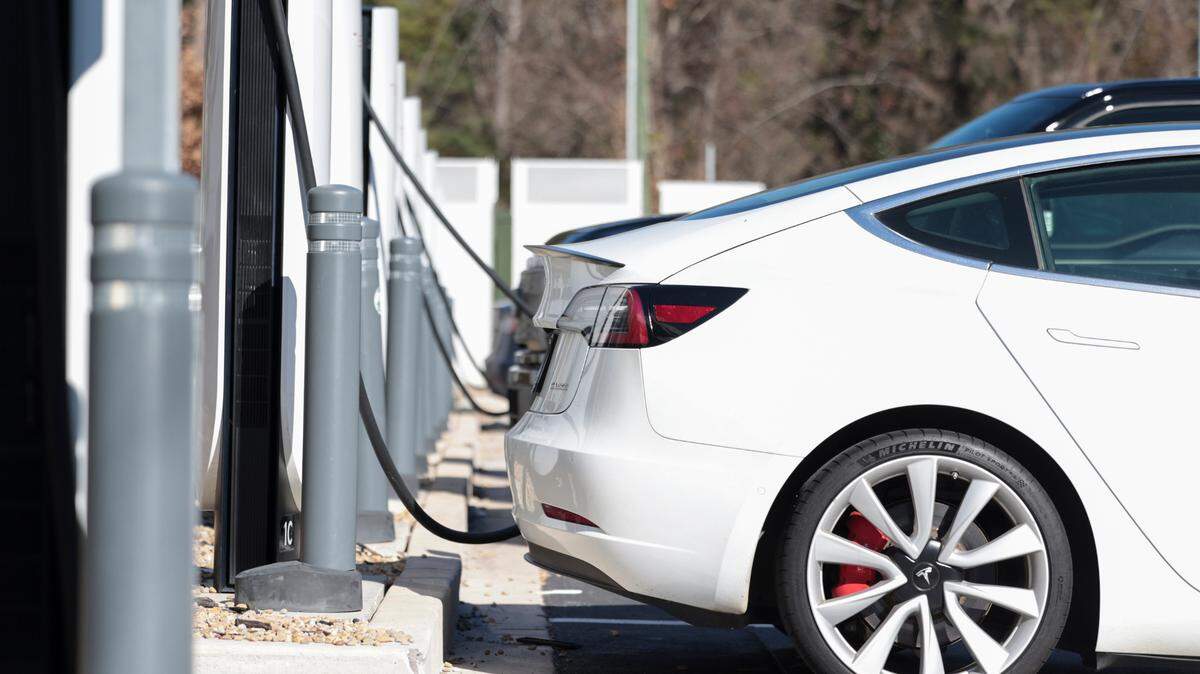
Electric vehicles are becoming an important driver for South Carolina’s economy.
As the state continues to attract electric vehicle manufacturing companies that invest billions, we must plan ahead for the day when more and more electric vehicles are traveling South Carolina’s highways. These vehicles will need a place to charge up, but charging stations remain few and far between.
This means that electric vehicle charging is a viable business opportunity in the coming decade. Some states have made the public pay for electric vehicle charging networks, using utility ratepayer funds to bolster charging networks. However, I believe part of my job as a state lawmaker is to protect your wallet and never ask the public to fund something the private sector is itching to do.
In most cases, this means passing bills that allow for free-market competition and then getting out of the way. Fortunately, South Carolina is doing just that for our state’s growing electric vehicle charging market with Senate Bill 275.
After it received unanimous Senate support, my colleagues and I enthusiastically passed it out of the House Labor Commerce and Industry Committee that I chair. It received a unanimous vote on the House floor and Gov. Henry McMaster signed it May 8. This law is simple in concept and modest in scope, but it will have a significant impact on shaping South Carolina’s electric vehicle charging market.
The main goal of the law is to prevent electric utilities from having an unfair competitive advantage in the electric vehicle charging market by using ratepayer funds to build, own or operate electric vehicle charging stations.
Private businesses will only invest if they have certainty their investments will not be subject to unfair competition from ratepayer subsidized charging stations. Furthermore, it does not make sense to subsidize the development of electric vehicle charging stations with ratepayer dollars when private businesses are ready and willing to invest their own private capital.
These days it is rare to have unanimously supported legislation. The wide support of the bill in both the House and Senate is a testament to the productive collaboration from South Carolina’s electric utilities and other stakeholders.
I think all would agree that we need our power companies to focus on what they do best — generating and distributing electricity. We also need businesses and entrepreneurs to invest with confidence, and we need to ensure our most vulnerable residents are not subsidizing costly amenities that they may never use.
This legislation is even more pressing now that the Trump administration has paused federal grant funding through the National Electric Vehicle Charging Infrastructure program.
By setting a level playing field, South Carolina will unleash private investment and the free-market competition that comes with it, making the state less reliant on taxpayer-funded grant programs that come and go with changes in each administration.
This legislation will serve as an example for lawmakers across the country as they determine how to move away from relying on public funds and toward the creation of a self-sustaining electric vehicle charging market.
South Carolina is attracting new residents and businesses at a dramatic rate, and by developing a comprehensive policy framework that is informed by common sense, we can ensure that South Carolina’s electric vehicle charging market evolves with our economy and consumer transportation preferences.
This will ensure that electric vehicle drivers will benefit from the same robust competition that has benefited the traditional liquid fuels market for decades. Let’s harness the excitement, eliminate the uncertainty, and help South Carolina emerge as a leader in electric vehicle charging.
This story was originally published May 28, 2025 at 5:00 AM.