
Why Marjorie McIver, the sister of one of the Emanuel 9, champions literacy | Opinion
READ MORE
What emerged from tragedy 10 years ago
Powerful reflections on the 10-year anniversary of the Charleston church shooting
Expand All
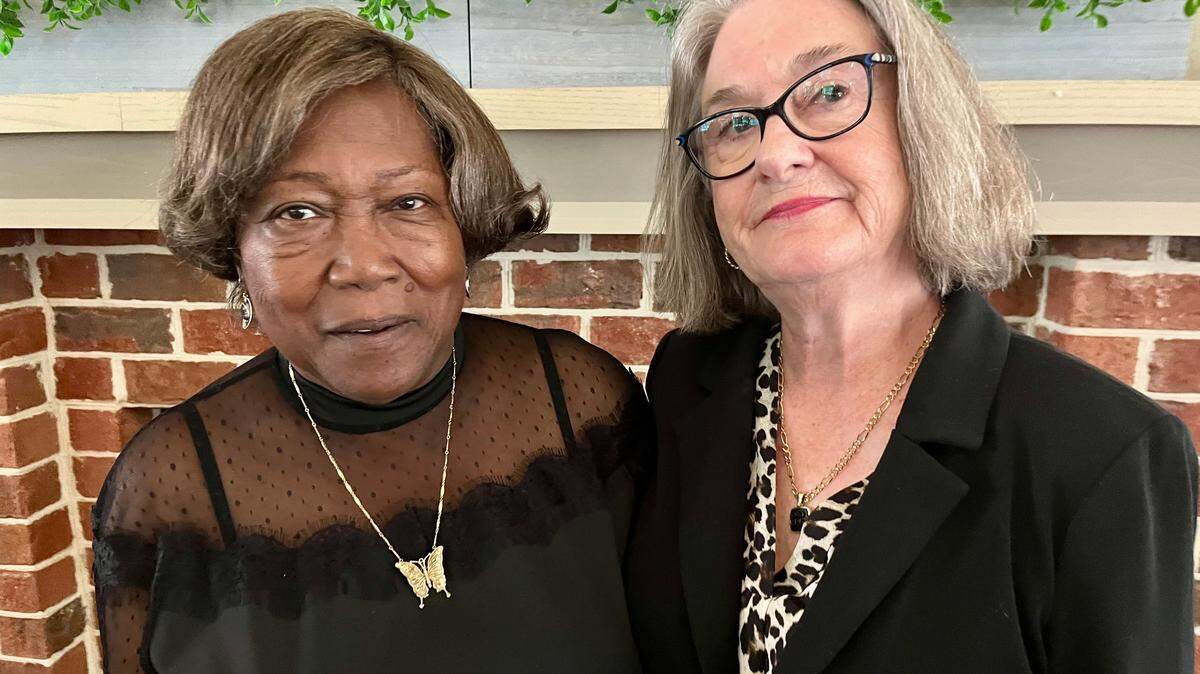
What a Charleston church shooting survivor and a descendant of slave brokers can teach us | Opinion
Why Marjorie McIver, the sister of one of the Emanuel 9, champions literacy | Opinion
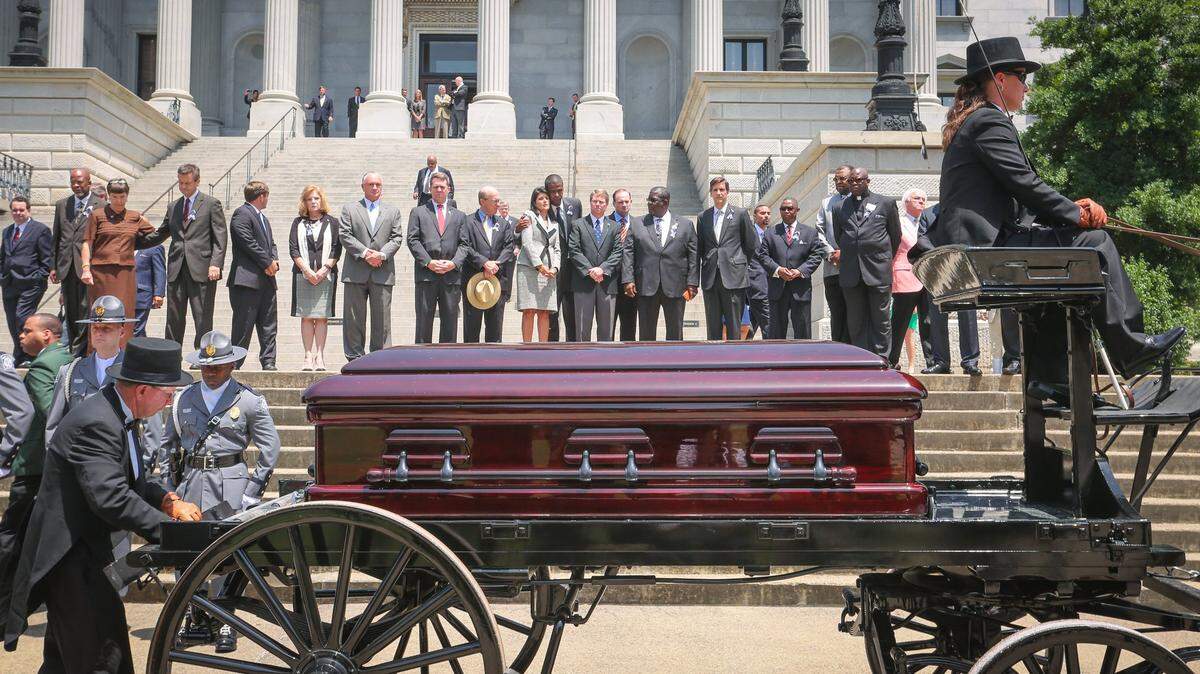
Ten years after the Charleston church shooting, a prayer for us all | Opinion
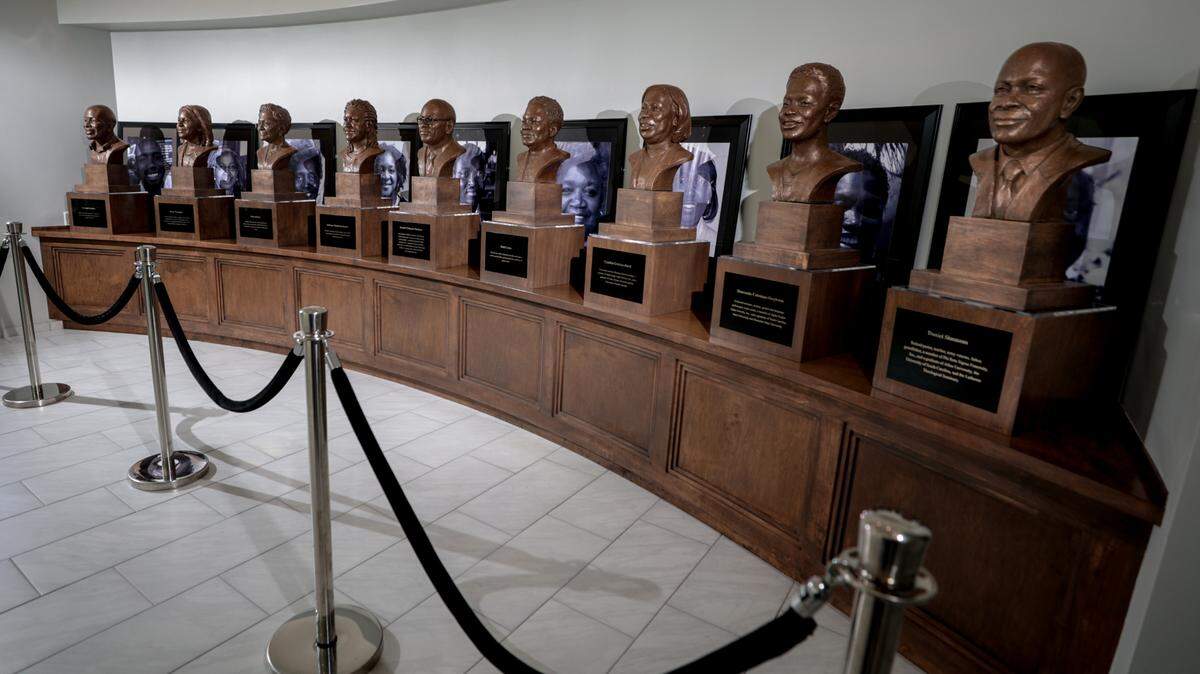
Why Allen University is the perfect place for a new tribute to the Emanuel 9
Marjorie McIver was already standing behind the tables of pizza and snack bags when my wife and I arrived at the Conway library. She had that familiar look on her face, a determined smile that made it clear she meant business, the kind I’ve seen countless Black women wear when it’s time to get to work educating and loving on children.
It was a Saturday morning just a couple of weeks ago. The light lunch was for the few dozen people (mostly kids) in a small room in the library. We had gathered as part of the annual summer literacy program McIver had helped found years ago.
The program was created to teach young participants, from elementary through high school, about African American history and connect them with the area’s rich Gullah-Geechee heritage. The kids will be reading and discussing books with mentors and family members throughout the summer and create a multimedia reading project. My wife and I were there to give short presentations and represent local authors who could personify literacy’s importance.
It was a far cry from nearly 10 years ago when I stood in McIver’s kitchen asking how she was coping with the death of her sister Myra Thompson, 59, one of the nine Black people slaughtered by young white supremacist Dylann Roof in Emanuel African Methodist Episcopal Church in Charleston on June 17, 2015, a decade ago.
Back then, as McIver stood over a hot stove frying pork chops, she didn’t want to talk politics, though the 2016 presidential campaign was still unfolding. She told me about the nightmares she was having, about her sister’s bullet-riddled body, about what would trigger that image, about how she had to believe — just had to believe — her sister was in a better place, about why not every member of the victims’ families agreed with the decision by some to have forgiven Roof so quickly and publicly.
We’ve spoken several times since that day, mostly about her long educational career, books, literacy and helping kids. We have not spent much time talking about the efficacy of Roof’s death penalty sentence, or the lowering of the Confederate flag from State House grounds after Roof killed those nine Black people after they had invited him to join in a Bible study.
Neither have we said much to each other about bullet-riddled bodies. Because she has work to do. Because though I know she still mourns, still hurts, can’t forget about the horror of receiving a phone call that night, she has a supreme ability to look forward.
Because though Roof snuffed out her sister’s life far too soon, she knows there’s still work to be done to continue perfecting a country which has never fully lived up to its promise and principles. For McIver and others who make the literacy program possible, they know they can’t waste time or lose sight of that truth, no matter the amount of pain they carry, no matter how deep the psychic scars that are invisible to the untrained eye.
McIver didn’t just begin her work after Roof visited Mother Emanuel, or in response to that deadly night. She was protesting Jim Crow policies in Charleston in the 1960s and was arrested for the first time a year after white South Carolina politicians raised the Confederate flag at the State House in 1961 as a statement against the Civil Rights Movement.
That’s why I didn’t bother asking her about the shooting’s anniversary last month.
Though such milestones are important and are invaluable reminders about what we’ve been through and want to prevent, sometimes serving slices of pepperoni pizza and handing out small plastic jugs of orange sugar-free drinks can be just as powerful when done to further a righteous cause whose roots are decades-deep.
In McIver’s case, it was an illustration of why Roof didn’t win that night 10 years ago, and simply can’t win.
Because there will always be Marjorie McIvers who know how to put their head down and focus on advancing the cause of humanity and equality no matter how much pain they have to endure. Because not even an assassin’s bullet can turn them around.
This story was originally published June 12, 2025 at 5:00 AM.